City vs. Country Life in Alaska: Pros, Cons, and Best of Both Worlds
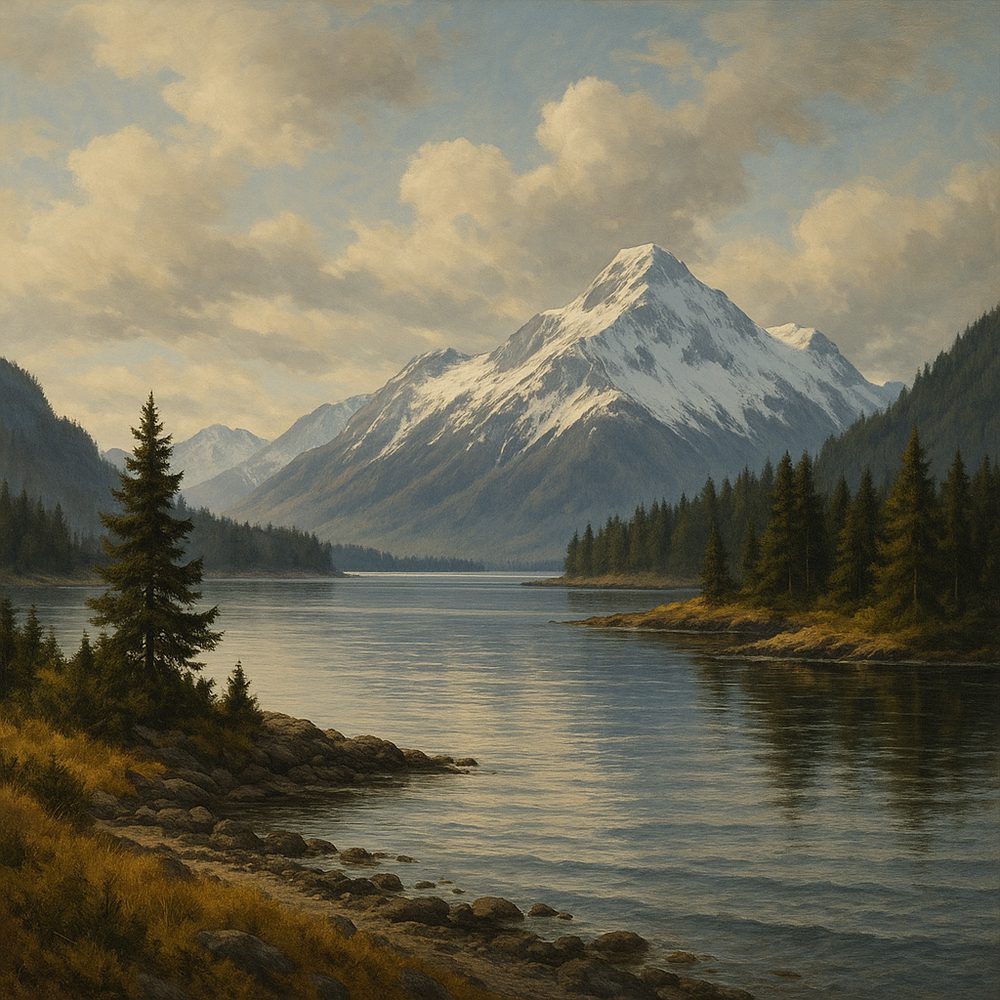
Anchorage, Alaska’s largest city, offers a distinctly urban experience nestled within the wilderness. Just a few miles from downtown, the Tony Knowles Coastal Trail stretches nearly 11 miles along the Cook Inlet shoreline, providing city dwellers and visitors a chance to bike or stroll beside tidal flats and spruce forests. This multi-use trail is a perfect example of how Anchorage blends urban amenities with easy access to nature. Look for moose grazing near the water at dawn or watch for bald eagles perched in cottonwoods. Anchorage’s blend of cultural institutions, like the Alaska Native Heritage Center, and outdoor escapes captures the city’s unique rhythm—busy yet in tune with the wild.
A few hours north of Anchorage, the small town of Talkeetna feels worlds away from urban life. Sitting along the Susitna River, about 115 miles from the city, Talkeetna serves as a gateway to Denali National Park and offers a quintessential Alaskan small-town vibe. Here, you can explore the Talkeetna Historical Society Museum, which showcases rustic local artifacts and the stories of pioneers who carved a life in the wilderness. Downtown’s quirky shops and cafés give the town a laid-back charm. Talkeetna’s mountain views and proximity to wilderness offer the best of solitude and community, especially under the long summer evenings when daylight lingers past 10 p.m.
Southeast Alaska’s Juneau presents a blend of city life and remote wilderness that is hard to match. Accessible only by boat or plane, Juneau is surrounded by Tongass National Forest, the largest national forest in the U.S. Just a short drive from downtown, the Mount Roberts Trail climbs about 1,800 feet to an overlook with sweeping views of the Gastineau Channel and city below. The trail is a favorite for visitors wanting a quick taste of Alaska’s rugged beauty without leaving the city. The Mount Roberts Tramway at the trail’s start also ferries tourists up for panoramic views. The juxtaposition of a modern city with accessible wilderness trails highlights Juneau’s role as a bridge between the urban and the wild.
In the heart of the vast Denali National Park, the small rural community of Healy offers a stark contrast to city life. Located approximately 12 miles north of the park entrance and about 120 miles north of Anchorage, Healy is a gateway to untamed landscapes dominated by North America’s tallest peak, Denali. From here, visitors can take guided bus tours deep into the park’s interior, watching for grizzly bears, caribou, and wolves. The George Parks Highway running through Healy connects travelers to the wild, and the town’s rustic lodges and eateries serve as a last town stop before heading into the vast wilderness. In summer, the endless daylight allows for extended wildlife viewing and hikes, making Healy a hub for serious nature immersion.
On the Kenai Peninsula, the town of Seward offers another kind of small-town Alaskan experience. About 127 miles south of Anchorage, Seward is nestled between Resurrection Bay and the Kenai Mountains. The town is best known as the gateway to Kenai Fjords National Park, where visitors embark on boat cruises to see tidewater glaciers and abundant marine wildlife. Back on land, the easy and scenic Exit Glacier Trail allows visitors to walk right up to a retreating glacier tongue, a powerful reminder of climate change in the subarctic. Seward’s harbor and quaint downtown restaurants underscore a community deeply connected to the sea, offering fresh seafood and a lively local culture.
Fairbanks, located in Alaska’s Interior about 360 miles north of Anchorage, showcases city life in a region defined by extremes. The University of Alaska Museum of the North stands as a cultural beacon in this far-flung city, featuring exhibits that interpret the natural history, indigenous cultures, and art of the circumpolar North. Fairbanks’ urban setting provides access to amenities and education, yet it also offers easy escapes to nearby trails like the Chena River State Recreation Area, where the boreal forest meets river bends just minutes from downtown. Visiting in winter, one can witness the ethereal northern lights from the city’s outskirts, blending the urban experience with celestial wilderness.
For a remote community with access to pristine landscapes, the village of Haines is a gem. Located about 175 miles northwest of Juneau, Haines sits at the northern tip of the Lynn Canal and is surrounded by towering fjords and rainforests. The Chilkat Bald Eagle Preserve nearby is world-renowned for its winter gatherings of thousands of bald eagles feeding on the salmon runs. Unlike Alaska’s larger cities, Haines offers a deeply rural lifestyle that celebrates nature’s rhythms and wildlife spectacles. The small town’s historical sites, like the Sheldon Museum, offer insights into Tlingit culture and pioneer history. Summer’s long days and mild weather make it an ideal time to hike local trails or kayak the fjords.
In these varied places—from the bustling streets of Anchorage to the remote trails near Denali and the quiet shores of Haines—Alaska reveals how city and country life here are two sides of the same coin. Each community offers its own balance of human settlement and natural wonder, inviting travelers to experience both the comforts of civilization and the wild heart of the Last Frontier. Whether you seek the buzz of urban trails and museums or the solitude of glaciers and eagle preserves, Alaska delivers a uniquely blended lifestyle that few states can match.