North vs. South Alabama: What’s the Difference?
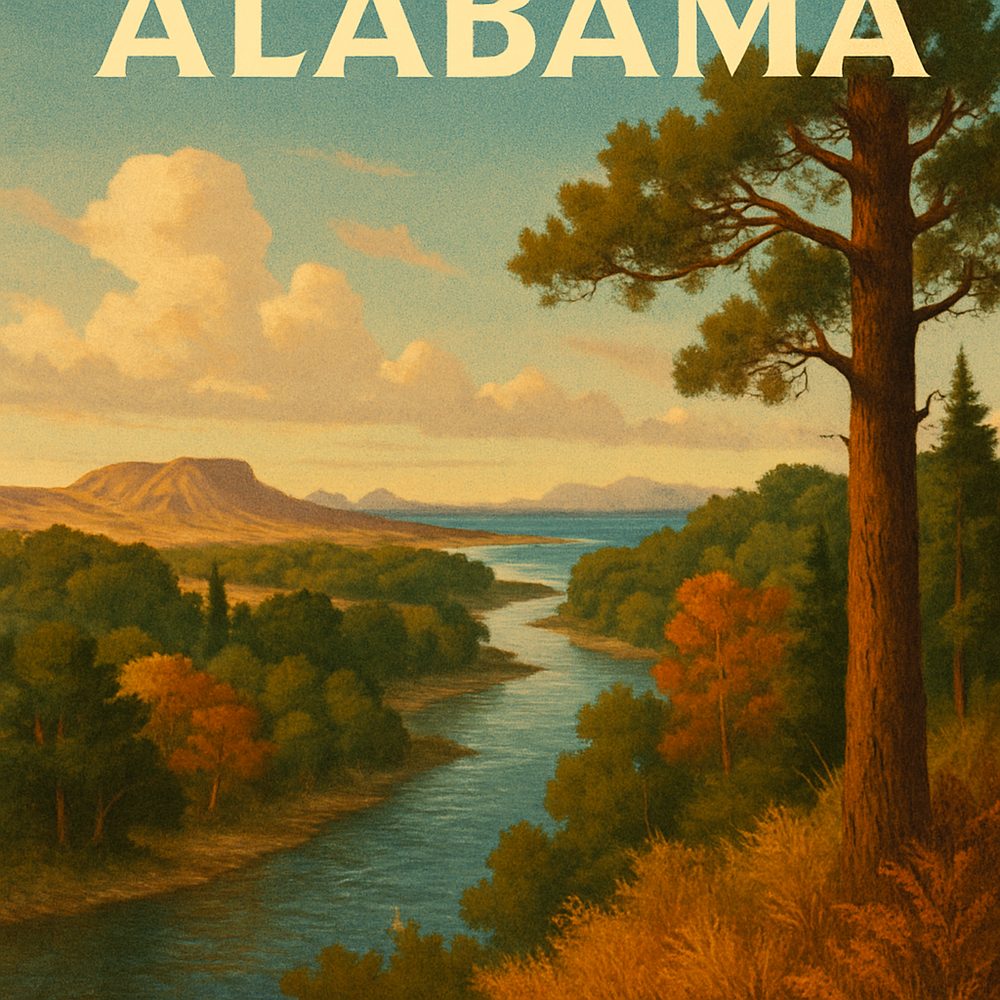
Traveling through Alabama reveals a striking contrast between its northern and southern regions, each shaped by unique landscapes, histories, and cultures. Start your journey in the north at Little River Canyon National Preserve, located about 30 minutes northeast of Fort Payne. Here, you can hike the scenic Cliffside Trail, a moderate 2.5-mile loop that offers breathtaking overlooks of one of the deepest canyons east of the Mississippi. The preserve’s rugged terrain and the Little River’s clear, cold waters make it a sanctuary for hikers and nature lovers, especially in the fall when autumn colors paint the cliffs in fiery hues. This area’s Appalachian foothills provide a more mountainous and forested backdrop compared to the rest of the state.
Heading south about five hours away near Montgomery, you’ll find the Selma to Montgomery National Historic Trail, a tangible pathway through the Civil Rights Movement. This historic route commemorates the 1965 voting rights marches and offers visitors a chance to reflect on the South’s complex social history. The trail culminates at the Alabama State Capitol, where you can tour exhibits inside the historic building that reveal stories of struggle and progress. Visiting in spring, when the azaleas bloom and the weather is mild, deepens the impact of walking these solemn streets surrounded by blooming southern flora.
Back north in Huntsville, the U.S. Space & Rocket Center stands as a testament to Alabama’s role in the space race. Located just west of downtown Huntsville, about an hour northeast of Birmingham, this museum offers immersive exhibits like the Saturn V Hall, housing the massive rocket used in Apollo Moon missions. Visitors can try astronaut simulators or explore hands-on space technology displays. Huntsville’s focus on science and technology contrasts sharply with the agrarian and coastal influences of the southern part of the state, making this a must-see for families and space enthusiasts. Summer evenings, when the center hosts rocket launches or stargazing events, add an unforgettable dimension to the visit.
Down in Mobile, the city’s historic district captures the essence of southern coastal charm about an hour south of the Gulf Shores beaches. Walking through Cathedral Square, visitors discover antebellum architecture, vibrant street art, and lively local markets. Mobile’s rich Creole and Mardi Gras traditions come alive here, especially in the French Quarter, where colorful balconies and wrought iron details evoke a distinctly southern flair influenced by French and Spanish colonial periods. Early spring is ideal, when the city bursts with parades and festivals that celebrate its multicultural heritage, unlike the more reserved northern towns.
In the northeast near Gadsden, the Noccalula Falls Park offers a powerful natural spectacle with a 90-foot waterfall at its heart, about 45 minutes east of Birmingham. The park features a paved walking trail around the falls, a botanical garden, and a pioneer village, blending outdoor adventure with local history. This spot stands out for its accessibility and storybook legend of Princess Noccalula, making it a favorite for family outings and photographers. The lush greenery during late spring enhances the freshness of the falls, providing a rejuvenating retreat within Alabama’s hill country.
Switching gears to the southern coast, Dauphin Island sits about an hour south of Mobile and is a peaceful barrier island known for its bird sanctuaries and historic fortifications. The Audubon Bird Sanctuary on the island draws migratory bird watchers every spring and fall, offering miles of trails through maritime forests and along the shorelines. Dauphin Island’s blend of beach relaxation, wildlife observation, and Civil War history at Fort Gaines creates a layered southern coastal experience that contrasts with northern Alabama’s mountains and forests. Sunrise or sunset on the island’s beaches reveals vibrant skies and calm waters, perfect for unwinding.
Finally, in the heart of Birmingham, the Civil Rights District provides a compelling urban counterpoint to rural and coastal Alabama. The Birmingham Civil Rights Institute offers in-depth exhibits about the city’s pivotal role in the 1960s movement, just steps from the 16th Street Baptist Church, where a tragic bombing galvanized national attention. This neighborhood showcases the gritty, determined spirit of southern activism and urban resilience. Visiting on a weekday allows for quieter reflection and the chance to connect with local guides who share firsthand stories of struggle and hope.
Together, these places paint a vivid picture of Alabama’s diverse identity, from the Appalachian ridges in the north to the salt-kissed shores of the south. Each region offers distinct landscapes and cultural narratives, inviting visitors to explore deep history, natural beauty, and vibrant communities that define this compelling southern state.