City vs. Country Life in Arizona: Pros, Cons, and Best of Both Worlds
In the heart of Phoenix, Arizona’s sprawling capital, city life pulses with vibrant energy and modern conveniences. Roosevelt Row, a colorful arts district just northeast of downtown, exemplifies the urban vibe with its murals, galleries, and lively street festivals. Walking through this neighborhood, visitors encounter a dynamic mix of contemporary public art and hip cafes, providing a stark contrast to the natural landscapes just beyond the city limits. The area’s walkability and accessibility to cultural events make it ideal for those who thrive on social interaction and creative expression. Early evenings offer a perfect combination of warm desert air and sunset hues reflecting off nearby office towers, a reminder of Phoenix’s unique blend of desert environment and metropolitan buzz.
Driving north to Flagstaff, about two hours from Phoenix, reveals a different pace of life nestled amid ponderosa pines and volcanic peaks. The Arizona Snowbowl, perched just outside Flagstaff, invites visitors to escape the heat with its mountain trails and ski slopes during winter months. Hiking the Humphreys Peak Trail, which ascends to Arizona’s highest summit at 12,633 feet, offers an invigorating challenge and panoramic views unmatched in the state. The cooler climate and access to forests create a refreshing contrast to the desert cityscape. This mountain town embodies a more laid-back, nature-focused lifestyle where community centers and local breweries foster a close-knit feel, perfect for those seeking refuge from urban hustle.
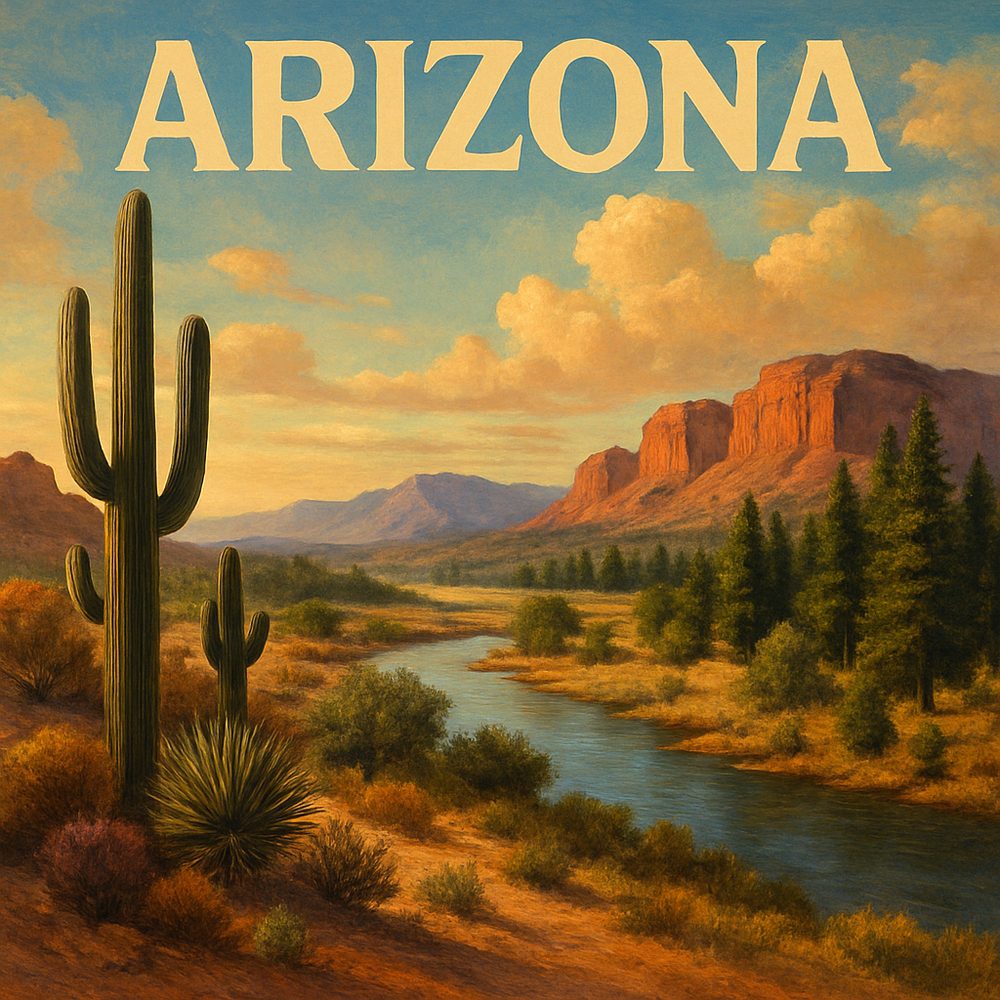
In the rural expanse near Tucson, south of Phoenix by about 100 miles, Saguaro National Park unveils the quintessential Sonoran Desert experience. Divided into east and west districts flanking Tucson, the park features iconic saguaro cacti that define the landscape. The relatively easy Valley View Overlook Trail offers sweeping views of the desert floor, while the more strenuous Wasson Peak Trail climbs to 4,687 feet, rewarding hikers with vistas of the city below framed by giant cacti. Here, the stark beauty of the desert contrasts sharply with nearby metropolitan life. Visitors come to contemplate vast open skies and the subtle colors of sunset, a reminder of the slower rhythms found outside city limits.
Sedona, about two hours north of Phoenix, stands at the crossroads of city amenities and natural splendor. Known for its red rock formations and vibrant arts community, Sedona blends small-town charm with opportunities for outdoor adventure. The Cathedral Rock Trail, a steep but short climb, offers breathtaking views of the iconic sandstone spires that glow orange in the late afternoon sun. Beyond physical beauty, Sedona’s reputation as a spiritual retreat adds another layer to its appeal, drawing people interested in wellness and alternative healing. The town’s mix of boutique galleries, cafes, and trailheads makes it a compelling example of how cultural vibrancy and access to wilderness can coexist.
On the other end of the spectrum, the small town of Bisbee lies in Arizona’s southeastern corner, about 90 miles southeast of Tucson. Once a booming mining town, Bisbee preserves its historic charm with well-preserved Victorian architecture and a quirky arts scene that feels worlds away from city life. Walking through the Old Bisbee Historic District showcases colorful buildings and galleries tucked into steep hillsides. Nearby, the Queen Mine Tour offers a hands-on glimpse into the town’s industrial past with underground mine shafts illuminated by electric lamps. Bisbee’s slower pace, cool mountain air, and thriving artistic community illustrate the appeal of rural living infused with history and creativity.
Between these rural and urban poles lies the Verde Valley, approximately 90 minutes north of Phoenix. The town of Cottonwood serves as the valley’s commercial hub, surrounded by state parks and scenic byways. Dead Horse Ranch State Park offers trails for hiking, biking, and fishing along the Verde River, winding through cottonwoods and wetlands. This blend of outdoor recreation and small-town hospitality creates a balanced lifestyle. The historic Old Town Cottonwood, with its tasting rooms and antique shops, invites visitors to linger and savor the local wine scene. This area exemplifies how accessible natural beauty can enhance everyday living without the congestion of a big city.
Far west, near the California border and some 150 miles from Phoenix, the town of Yuma presents another facet of Arizona life. Known for its agricultural richness and proximity to the Colorado River, Yuma immerses visitors in a desert oasis environment. The Yuma Territorial Prison State Historic Park offers a stark, tangible connection to the Old West and frontier life, with preserved cells and exhibits detailing early Arizona history. Meanwhile, the nearby Imperial National Wildlife Refuge provides opportunities for birdwatching and exploring riparian habitats in an otherwise arid landscape. Yuma’s combination of historic intrigue, agricultural bounty, and natural refuge underscores the diversity found in Arizona’s less urbanized regions.
Back near the northern border, the Navajo Nation’s Monument Valley, about three hours northeast of Flagstaff, offers an expansive and iconic rural experience. The towering sandstone buttes and wide-open spaces define one of the most photographed landscapes in the American Southwest. Guided tours led by Navajo guides enrich the experience with stories and cultural insights, demonstrating how rural life here is deeply connected to tradition and the land. The quiet majesty and vast horizons present a profoundly different rhythm from bustling city streets, with nights filled by starlight instead of neon.
Whether immersed in the buzz of Roosevelt Row’s urban art scene or wandering the serene trails of Saguaro National Park, Arizona offers a striking balance between city vibrancy and rural tranquility. From mountain towns like Flagstaff and Sedona to historic mining communities and expansive desert vistas, the state invites exploration across diverse landscapes and lifestyles. Each place reveals something unique about how people live, work, and connect in this sun-soaked terrain, making Arizona a compelling destination for those seeking either the pulse of city life or the quiet of the countryside—or both.