North vs. South Arizona: What’s the Difference?
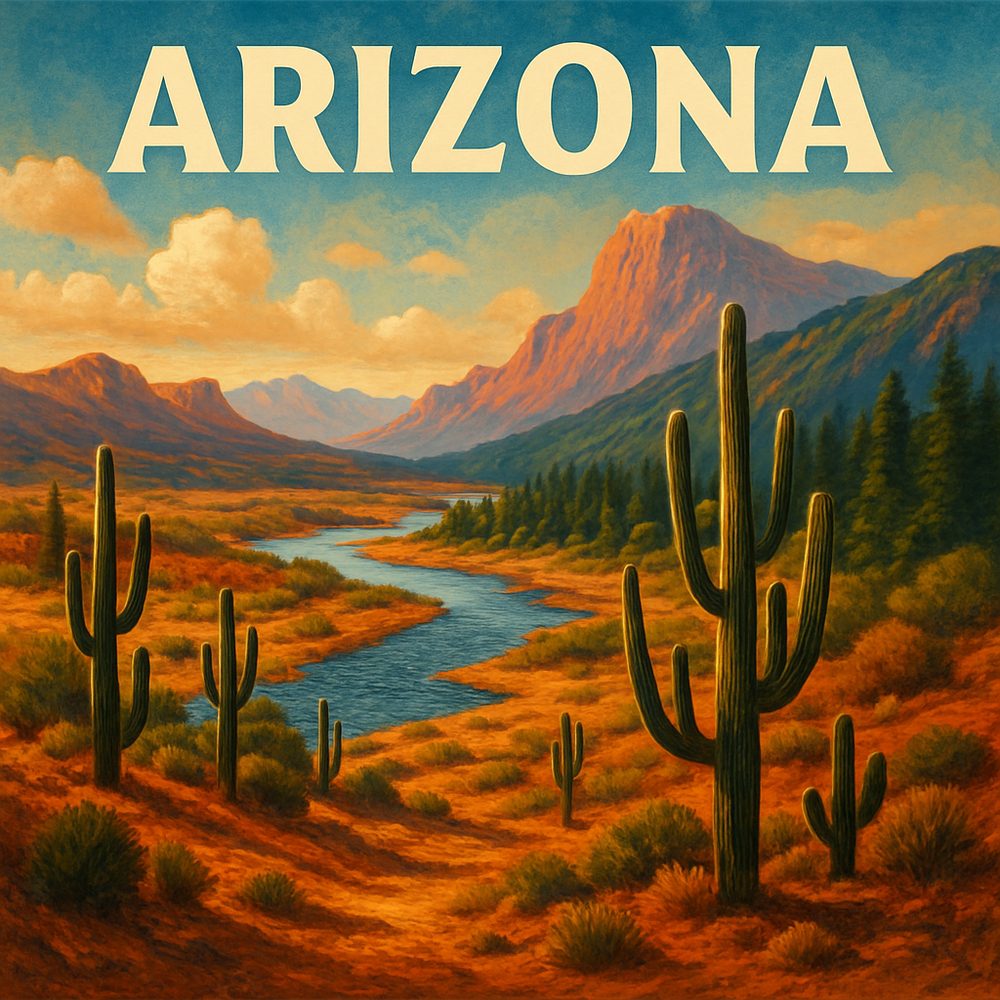
Just a few hours’ drive north of Phoenix lies Sedona, a town known for its stunning red rock formations and vibrant arts scene. Nestled about 115 miles north of Phoenix, Sedona offers visitors a unique blend of natural beauty and spiritual ambiance. Hiking the Cathedral Rock Trail, a moderately strenuous 1.5-mile climb, rewards trekkers with panoramic views of the crimson cliffs and sweeping valleys below. Sedona’s striking geology, with its towering sandstone buttes and glowing orange hues especially vivid in the late afternoon sun, makes it a sanctuary for photographers and outdoor lovers alike. The cooler spring and fall months provide the best weather for exploring, when the temperatures are comfortable and the skies clear for spectacular sunsets.
Further north, in the shadow of the San Francisco Peaks near Flagstaff, lies Walnut Canyon National Monument, about 80 miles north of Phoenix. This park is a window into ancient Sinagua culture, where cliff dwellings cling to volcanic stone ledges overlooking the canyon floor. The Island Trail, a steep but manageable loop of just over half a mile, brings visitors close to these remarkable stone homes while providing striking views of the canyon’s rugged landscape. Walnut Canyon offers a cooler, forested contrast to the desert below and serves as a fascinating historical site that connects travelers with Arizona’s Native American heritage. Early morning visits reveal the best light for photography and a quieter experience before the midday crowds arrive.
Down south near Tucson, about 15 minutes from downtown, Saguaro National Park celebrates the iconic giant saguaro cactus that defines the Sonoran Desert landscape. The scenic Bajada Loop Drive offers an easy introduction to the park’s vast cactus forests, while the more adventurous Douglas Spring Trail, at around seven miles round-trip, winds through rugged terrain with plenty of opportunities to spot desert wildlife such as Gila monsters and roadrunners. The park’s warm desert climate and the saguaro’s slow, towering growth combine to create an environment unlike anywhere else in the country. Visit in late winter or early spring to catch the cacti blooming with delicate white flowers, a spectacular sight that highlights the resilience and charm of this southern desert ecosystem.
Tucson’s historic Barrio Viejo district, just a few blocks from the city center, offers a window into the rich cultural tapestry of southern Arizona. This neighborhood features colorful adobe architecture, murals, and a lively street scene reminiscent of Tucson’s blend of Native American, Mexican, and Spanish colonial influences. Strolling through the narrow streets, visitors can appreciate the vibrant street art and traditional adobe homes while enjoying local eateries serving Sonoran-style cuisine, such as carne seca or mesquite-grilled dishes. The district’s charm is best experienced in the cooler evening hours when the neighborhood buzzes with energy and community gatherings.
In contrast, the northern town of Prescott, about 100 miles northwest of Phoenix, embodies a different slice of Arizona’s identity. Known as “Arizona’s Christmas City,” Prescott offers historic charm with its well-preserved Old West architecture centered around the Courthouse Plaza. Visitors can wander the Whiskey Row district, where wooden boardwalks and vintage saloons recall the town’s mining boom days. The easy-to-navigate Prescott National Forest surrounds the town, providing numerous hiking and biking trails, including the 4.7-mile Thumb Butte Trail that leads to a rocky summit with sweeping views of the Verde Valley. Prescott’s mild summers and crisp autumns make it a great escape from the hotter southern deserts.
A few miles east of Phoenix, the Desert Botanical Garden in Scottsdale presents a curated showcase of desert flora from Arizona and around the world. Strolling through themed gardens like the Cactus and Succulent Exhibit or the Sonoran Desert Loop Trail, visitors encounter thousands of plant species adapted to arid environments. The garden’s unique blend of scientific research and art installations offers a peaceful retreat within a bustling metro area. Evening events during the cooler months add a magical glow to the desert plants, enhancing the sensory experience with illuminated pathways and live music, making it a perfect time to visit.
On the southern tip of the state near the Mexican border, Organ Pipe Cactus National Monument, about 125 miles southwest of Tucson, offers a rugged and remote desert experience. Named after the organ pipe cactus, this park features a network of hiking trails such as the Arch Canyon Trail. This moderately difficult three-mile round trip takes visitors through arid washes and past desert wildlife habitats to a dramatic natural arch carved from volcanic rock. The park’s isolation and pristine Sonoran Desert environment make it one of the best places to experience the vast, wild landscapes of southern Arizona. Winter and early spring are ideal for visiting, avoiding the oppressive summer heat while enjoying clear skies perfect for stargazing.
Each of these places paints a vivid picture of how Arizona’s north and south regions differ dramatically in landscape, culture, and climate. From the pine forests and ancient ruins of the north to the sprawling deserts dotted with saguaros in the south, the state invites travelers to explore two distinct worlds in one. Whether wandering ancient cliff dwellings, hiking red rock canyons, or savoring southwestern flavors in vibrant neighborhoods, visitors find a rich tapestry of experiences woven through Arizona’s varied geography and history.