North vs. South California: What’s the Difference?
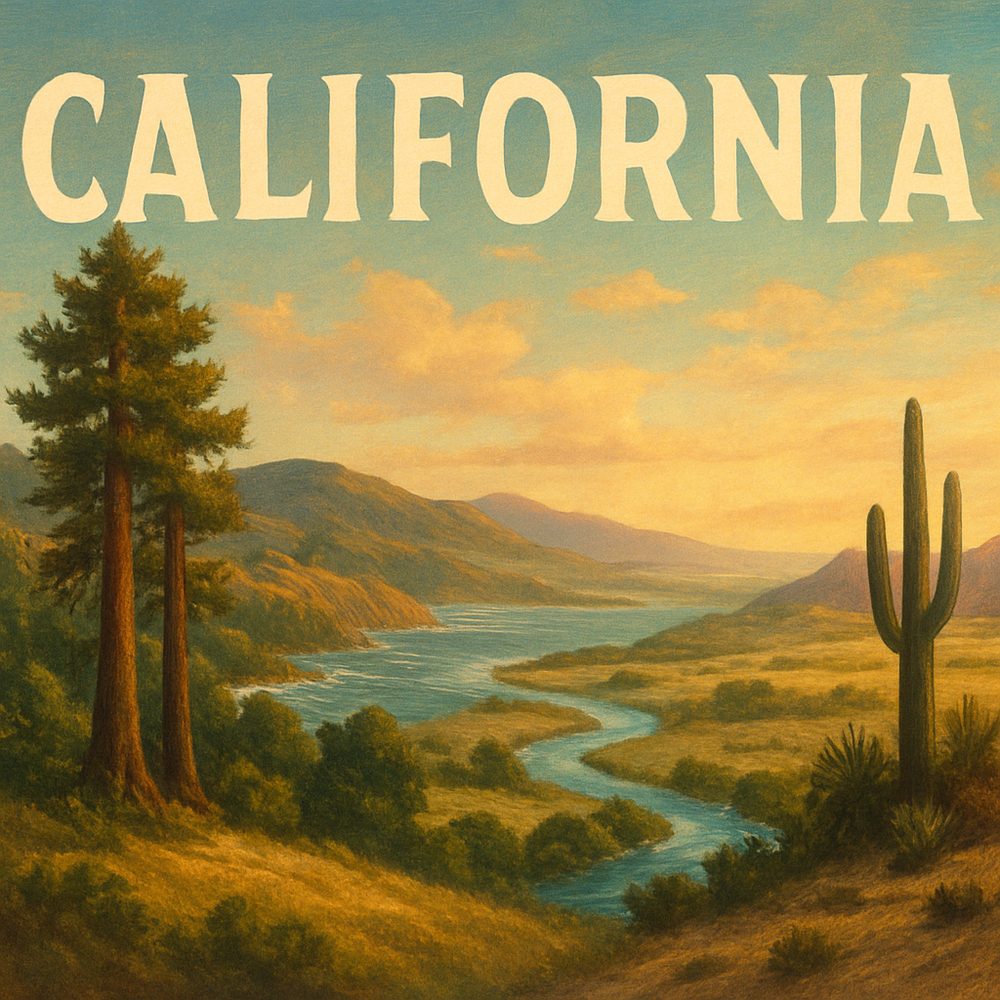
Driving through California reveals not just a change in scenery but a shift in vibe that often sparks lively debates among locals and visitors alike. Start your journey in the north at Mount Tamalpais State Park, perched just north of San Francisco in Marin County, about a 45-minute drive from the city. Hiking the East Peak Loop rewards you with sweeping views of the Bay Area, with the golden hills rolling into the Pacific Ocean. The air here is cooler and often misted with coastal fog, creating a mystical atmosphere that contrasts with the southern sunshine. The park’s rugged trails and redwood groves feel more tranquil and forested than the urban bustle below, revealing why Northern California is celebrated for its natural serenity and outdoor escapes.
Shift your focus to the south and the city of Los Angeles, where the Getty Center perches on a hilltop in Brentwood, about a 30-minute drive west of downtown LA. This museum is a unique blend of modern architecture, art, and gardens. Visitors walk through immaculately curated galleries featuring European paintings and decorative arts. The Getty’s carefully designed gardens offer panoramic views over the sprawling city below, a symbolic counterpoint to the more nature-centric experience of northern parks. Here, the emphasis is on culture and creativity amidst the urban sprawl, capturing Southern California’s reputation as a hub of entertainment and artistry. The best time to visit is late afternoon when the light softens and the views turn golden.
Further inland from LA, explore the San Gabriel Mountains via the Gabrielino Trail, starting near Pasadena, about 20 minutes northeast of downtown Los Angeles. This 7.5-mile trail winds through chaparral and pine forests along the Arroyo Seco creek. The trail’s moderate difficulty and scenic waterfalls provide a refreshing wilderness break from the city’s heat. Contrasting with Northern California’s towering redwoods, these mountains offer a drier, sunnier experience with a distinctly Mediterranean climate. Hiking here in spring or fall is ideal, when temperatures are mild and wildflowers bloom. This blend of accessible wilderness and proximity to urban centers epitomizes Southern California’s lifestyle balance.
Head back north to the city of Sacramento and visit the California State Railroad Museum in Old Sacramento, about 90 miles northeast of San Francisco. This museum showcases the history of the Transcontinental Railroad, which was crucial in shaping Northern California’s development. Walk through meticulously restored locomotives and carriages, and experience interactive exhibits that bring to life the stories of the workers and pioneers. This place connects visitors to the state’s rich industrial past and the role railroads played in uniting a sprawling and diverse region. Visiting in the fall offers comfortable weather to stroll the adjacent historic district with its wooden sidewalks and riverfront charm.
In Southern California, the coastal city of Santa Barbara offers a strikingly different retreat, just about 90 miles north of Los Angeles. The Santa Barbara Mission, known as the “Queen of the Missions,” invites visitors to explore its beautiful red-tile roofs, lush rose gardens, and historic adobe buildings. Founded in the late 18th century, it reflects the Spanish heritage intertwined with California’s southern identity. The mission’s architecture and the surrounding foothills set against the Pacific Ocean create a picturesque, almost Mediterranean ambiance. Early mornings or late afternoons are perfect for a visit when the light enhances the mission’s terracotta hues and the coastal breeze refreshes the air.
Northern California’s wine country near Napa, about an hour’s drive northeast of San Francisco, offers yet another dimension. The Silverado Trail winds through rolling vineyards and sprawling estates, each winery showcasing the region’s pioneering role in American viticulture. Unlike the dry, warm vineyards of Southern California, Napa’s climate benefits from cool fog and mountain breezes, producing some of the world’s finest cabernet sauvignons and chardonnays. Touring here in late summer or early fall during harvest season reveals the vibrant agricultural rhythms and festival spirit that underscore northern California’s connection to the land.
Contrast this with the urban wine scene in Los Angeles’s Arts District, where trendy tasting rooms and hip restaurants showcase Southern California’s emerging wine culture. Here, the focus is less on sprawling estates and more on innovative blends and boutique producers who embrace the city’s diverse culinary scene. Sampling wines in this revitalized industrial neighborhood feels distinctly modern and experimental, reflecting Southern California’s larger-than-life, forward-looking ethos. Evenings, when the district hums with energy and art installations light up the streets, offer a uniquely vibrant experience.
Both regions offer striking state parks that highlight their natural diversity. Northern California’s Redwood National and State Parks, about 5 hours north of San Francisco near Eureka, showcase the world’s tallest trees, some towering over 350 feet. Walking the Lady Bird Johnson Grove Trail immerses you in ancient forests where sunlight filters through a dense canopy, and the air is thick with moss and the scent of damp earth. This awe-inspiring landscape contrasts sharply with the desert landscapes of Southern California’s Joshua Tree National Park, located about two hours east of Los Angeles. There, the stark beauty of twisted, spiky yuccas against rugged rock formations offers a surreal, otherworldly experience. Nighttime stargazing in Joshua Tree is legendary, revealing the vastness of the desert sky, a highlight that feels worlds apart from the coastal forests up north.
In the heart of San Diego, about two hours south of Los Angeles, Balboa Park offers a cultural oasis with its Spanish Colonial Revival architecture and world-class museums. Strolling through the Botanical Building’s lush gardens or visiting the San Diego Museum of Art gives a rich sense of Southern California’s blend of nature, history, and culture in an urban environment. The park’s vibrant events and sunny climate create an inviting atmosphere year-round, showcasing a more laid-back, community-focused side of the south.
Each part of California reveals a distinct personality through its landscapes, architecture, and cultural institutions. Whether you’re drawn to the misty forests and historic museums of the north or the sun-drenched beaches and dynamic art scenes of the south, the state’s diversity invites travelers to explore its many faces firsthand.