North vs. South Colorado: What’s the Difference?
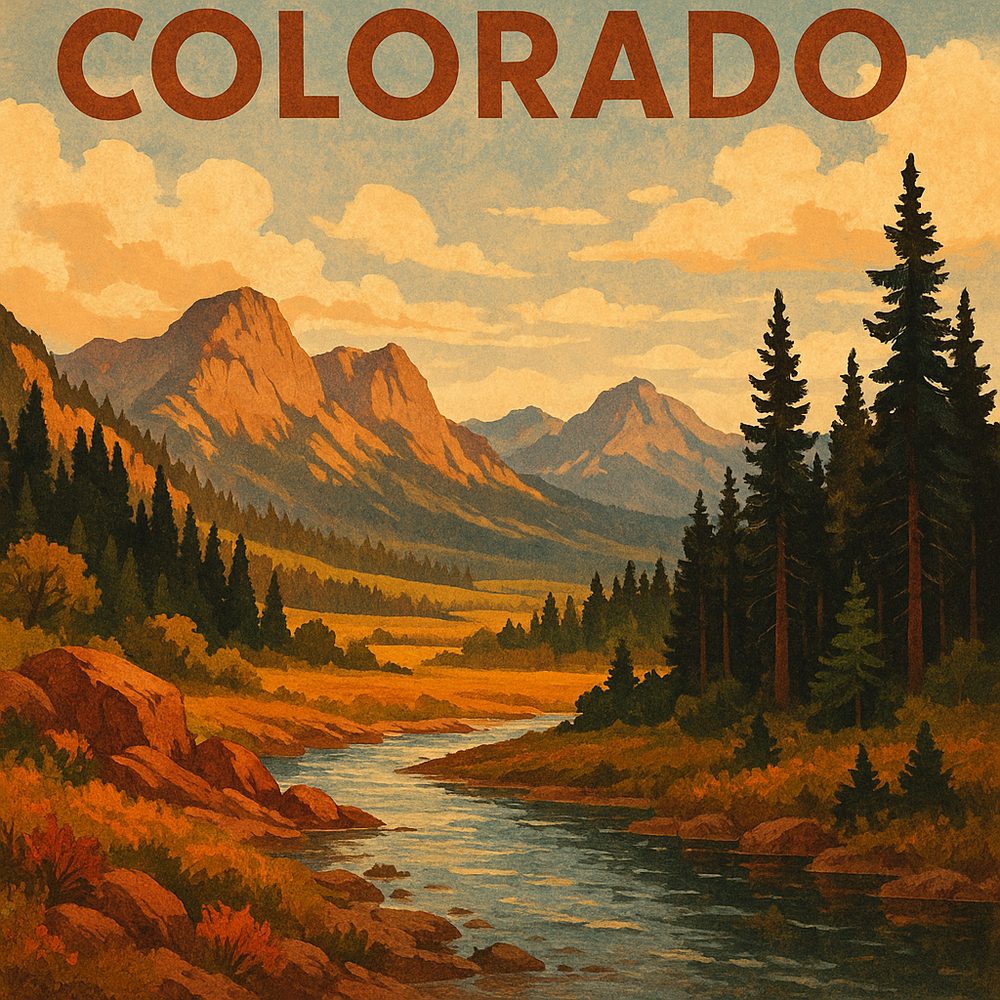
Driving north from Denver, about 45 minutes toward the foothills, the city of Boulder presents a distinct flavor of Colorado’s northern charm. Nestled against the sweeping backdrop of the Flatirons, Boulder’s outdoor playground is epitomized by the Chautauqua Park. Here, visitors can tackle the Royal Arch Trail, a moderately challenging 3.4-mile hike that ascends through ponderosa pines to a natural rock arch. The stunning views of Boulder and the plains beyond are unmatched, making this trail a favorite for both locals and travelers. The access to urban amenities combined with rugged nature fosters a blend of progressive culture and outdoor adventure unique to northern Colorado, best experienced in the crisp air of spring or fall when the wildflowers bloom or the aspen leaves turn golden.
Farther north, in Rocky Mountain National Park, roughly two hours northwest of Denver near Estes Park, the northern Rockies unfold in all their grandeur. The Bear Lake Corridor offers accessible yet breathtaking trails like the Bear Lake to Emerald Lake loop, about 3.5 miles long with moderate elevation gain. Crystal-clear alpine lakes, jagged peaks, and the chance to spot elk or marmots set this park apart. It’s a place where the high mountain environment feels both wild and welcoming. Summer offers wildflower displays and cooler temperatures, while winter transforms the park into a snowy landscape perfect for snowshoeing and photography.
By contrast, southern Colorado’s character is deeply shaped by its desert landscapes and historic mining towns. About three hours south of Denver, the Great Sand Dunes National Park and Preserve near Alamosa features the tallest sand dunes in North America, rising up to 750 feet. The park’s Medano Creek often flows at the dunes’ base in late spring and early summer, inviting visitors to wade or splash in its shallow waters. Climbing the dunes or sandboarding down their steep slopes offers thrilling adventure amid a surreal desert environment framed by the Sangre de Cristo Mountains. The juxtaposition of sand and snow-capped peaks is a defining southern Colorado experience best enjoyed in late spring or early fall, avoiding the intense summer heat.
Further east in the south, the historic town of Trinidad, about 2.5 hours south of Colorado Springs near the New Mexico border, reflects Colorado’s Old West heritage. The Trinidad History Museum complex, which includes the Santa Fe Trail Museum and the Bloom Mansion, offers visitors a tangible connection to the region’s pioneer and railroad past. The museum’s exhibits highlight the cultural crossroads of Native American, Hispanic, and Anglo settlers. Exploring the quaint downtown with its Victorian architecture and art galleries feels like stepping back in time, a distinct contrast to the modern vibe of northern cities. Visiting in the fall, when the surrounding mountains turn fiery with aspens, adds to the town’s nostalgic appeal.
Closer to the center of southern Colorado, the town of Durango, about six hours southwest of Denver near the New Mexico border, is a gateway to the San Juan Mountains. The Durango & Silverton Narrow Gauge Railroad offers a historic steam train ride through rugged canyons and past roaring rivers. This journey blends natural beauty with heritage tourism unique to the south, where old mining routes and Native American history converge. The route is especially dramatic in autumn when the leaves blaze orange and gold along the tracks. Durango’s vibrant arts scene and southwestern cuisine round out the experience, contrasting with Boulder’s emphasis on tech and wellness.
In northern Colorado’s high country, Steamboat Springs, roughly three hours north of Denver, is famous for its ski culture and hot springs. The Fish Creek Falls trail, a relatively easy 1.5-mile hike from the town’s outskirts, leads to a stunning 283-foot waterfall cascading into a lush valley. This spot, accessible year-round, perfectly captures the northern terrain’s mix of alpine forest and water features. Steamboat’s famed “champagne powder” snow and extensive Nordic trails attract winter sports lovers, while summer brings wildflower-filled meadows and fishing streams. The town’s Western heritage and cowboy culture add an authentic regional flavor distinct from the southern desert towns.
Meanwhile, southern Colorado’s open spaces are epitomized by the San Luis Valley, near Alamosa, about a four-hour drive southwest from Denver. The Valley, one of the largest high desert basins in the world, is home to the San Luis Valley Museum, which chronicles the area’s unique agricultural history and the blend of cultures that settled the region. Nearby, the Zapata Falls trail offers a hidden gem: a short, moderately rugged hike to a 25-foot waterfall tucked behind a rock alcove. This remote location highlights the rugged, quieter side of southern Colorado’s outdoors, far removed from the crowds of northern hotspots. Spring and early summer are ideal for lush pastures and migratory birds, while winter brings a stark, peaceful beauty.
The northern and southern parts of Colorado embody distinct landscapes and lifestyles that visitors can explore through these signature places. Boulder’s modern, outdoor-centric culture contrasts with the historic, rugged character of towns like Trinidad. Rocky Mountain National Park’s alpine wilderness stands in sharp relief against the desert dunes and mining heritage around Great Sand Dunes and Durango. Both regions offer unforgettable experiences, but the contrasts in terrain, history, and pace create two very different Colorado stories worth discovering.