North vs. South Delaware: What’s the Difference?
Wilmington, Delaware’s largest city, anchors the northern part of the state and offers a distinctly urban flavor quite different from the quieter southern stretches. Just a 30-minute drive southwest from Philadelphia, Wilmington’s Riverfront district is a lively hub where refurbished warehouses now house restaurants, shops, and museums. Strolling along the Christina River, visitors can hop on the Wilmington Riverwalk, a paved promenade with scenic views of the water and city skyline. The Delaware Children’s Museum and the Delaware Contemporary art museum offer cultural stops unique to this metropolitan setting. Spring and fall bring pleasant weather perfect for exploring the outdoor cafés and catching festivals along the river. The vibrancy of Wilmington reflects the North’s proximity to the big city corridors of the Northeast and its history as a hub for industry and commerce.
About an hour south, Dover showcases the heart of Delaware’s South with its blend of historic charm and political significance. As the state capital, Dover’s Downtown Historic District is lined with 18th- and 19th-century architecture, including the Old State House, where visitors can step inside to see the original legislative chambers and learn about Delaware’s role as the first state to ratify the Constitution. The John Dickinson Plantation just outside Dover offers a deeper dive into colonial life, with tours through the preserved home of one of the “Founding Fathers.” Fall is a particularly special time here when the surrounding farmlands are flush with harvest colors, and the state fair celebrates agricultural traditions that still shape southern Delaware’s identity. This area feels rooted in history and governance, with a slower pace than the northern urban bustle.
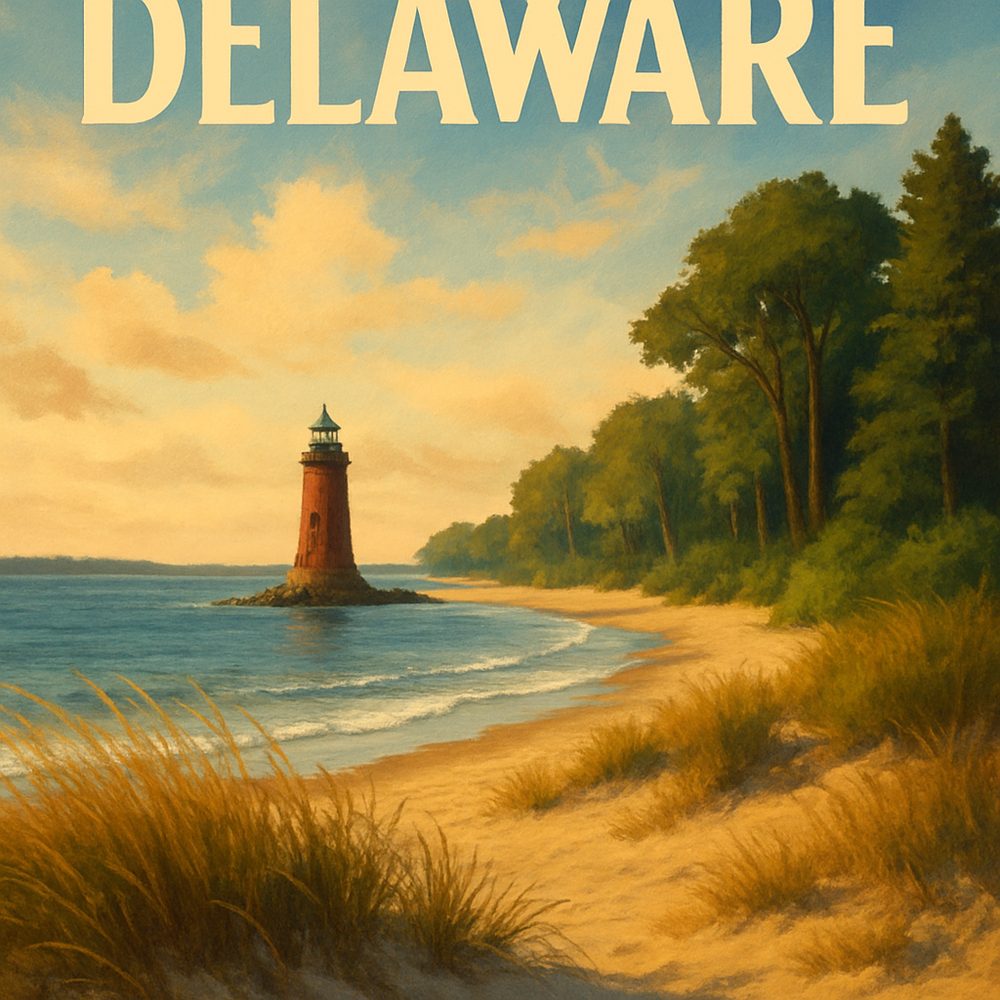
A trip toward the eastern shore of the state reveals the quiet beauty of Cape Henlopen State Park, about 15 minutes east of Lewes near the southern tip of Delaware. This coastal park is a haven for nature lovers and history buffs alike. Visitors can bike or hike the Seaside Nature Trail, a 5-mile loop that passes dunes, marshes, and a World War II observation tower. The park’s beaches are less crowded than those in the north along Rehoboth Beach, offering a more serene Atlantic experience. Birdwatchers flock here during migration seasons to spot rare shorebirds. Cape Henlopen’s blend of military history and habitat diversity makes it a standout among Delaware’s parks. Early mornings in spring and fall, when the light softens and migratory birds are active, offer the best wildlife viewing.
Heading back north, the Brandywine Valley near Greenville, roughly 20 minutes northwest of Wilmington, reveals a different kind of Delaware charm. The Brandywine River Museum of Art, nestled along the riverbanks, houses an impressive collection of American art, including works by the Wyeth family, whose paintings capture the rural landscapes of the region. The surrounding area is dotted with rolling hills and historic estates, making it a favorite for scenic drives and garden tours, especially during the vibrant fall foliage season. For those who appreciate art connected intimately with place, this museum and its surroundings offer an immersive experience distinct from the urban north or coastal south.
Down south near the Maryland border, towns like Seaford represent Delaware’s agricultural backbone. About 90 minutes southwest of Dover, Seaford is surrounded by farmland and is close to the Nanticoke River, where visitors can kayak or fish in tranquil settings. The Seaford Museum itself offers insights into the area’s farming and fishing heritage, with exhibits featuring local industry and shipbuilding history. The town’s smaller scale and community feel contrast with the more commercialized coastal towns. Late summer is a good time to explore Seaford when the fields are lush and the river is warm enough for water activities, providing a genuine taste of rural southern Delaware life.
Northern Delaware’s historic New Castle offers an early colonial atmosphere just a 20-minute drive south of Wilmington. The town’s cobblestone streets and well-preserved 17th-century buildings create a step back in time. Tourists can visit the Old Court House and the Amstel House to get a feel for colonial architecture and early American life. The Battery Park along the Delaware River provides scenic views and a spot to watch boats cruise by. New Castle’s quaint charm and deep historical roots contrast with Wilmington’s modernity, giving visitors a layered sense of northern Delaware’s past and present. The mild weather of late spring or early fall makes walking these streets especially enjoyable.
Rehoboth Beach, about 90 minutes southeast of Wilmington, is the quintessential southern Delaware beach town, known for its classic boardwalk, boutique shops, and family-friendly atmosphere. The Rehoboth Beach Boardwalk is a lively stretch where visitors can enjoy saltwater taffy, arcade games, and fresh seafood right off the ocean. The nearby Cape Henlopen State Park complements the beach experience with natural dunes and hiking trails. Summer is peak season here, but early fall still offers warm water and fewer crowds, ideal for those who want to enjoy the sand and surf without the high-season hustle. Rehoboth’s blend of nostalgic beach culture with modern amenities defines southern Delaware’s coastal appeal.
In the north, the Hagley Museum and Library in Wilmington presents another window into Delaware’s industrial past. Situated along the banks of the Brandywine River, this site preserves the original du Pont Company gunpowder mills and estate. Visitors can explore restored mills, workers’ houses, and the du Pont family’s ancestral home, Eleutherian Mills. The museum grounds are expansive, with walking trails that reveal the relationship between industry, labor, and natural surroundings. Fall is a perfect time to visit, when the trees blaze with color, adding a dramatic backdrop to the now-quiet landscape that once powered America’s industrial rise.
Together, these places illustrate how Delaware’s north and south offer distinct experiences shaped by geography, history, and culture. From Wilmington’s riverfront energy and New Castle’s colonial streets in the north, to Dover’s political history and Rehoboth’s sandy shores in the south, the state’s compact size belies the richness and variety waiting to be explored. Whether tracing the footsteps of America’s founders or savoring fresh coastal breezes, Delaware invites travelers to discover its dual personality through places that tell its unique story.