North vs. South Florida: What’s the Difference?
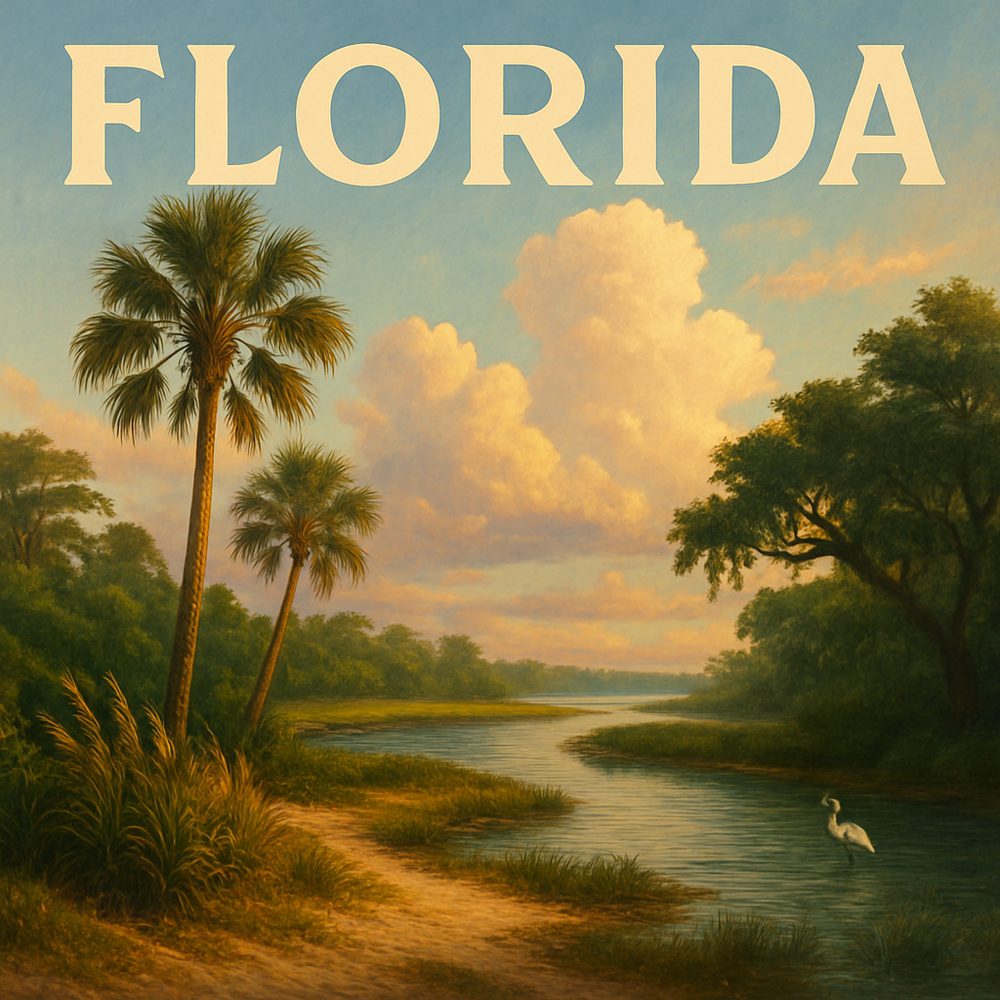
In the panhandle region of North Florida, just about 30 miles southwest of Jacksonville, you’ll find the Timucuan Ecological and Historic Preserve. This vast natural reserve offers a glimpse into Florida’s wild and watery origins, where salt marshes and ancient live oaks draped in Spanish moss create a green, humid world far removed from the sunbaked beaches of the south. Visitors can paddle the calm, winding waterways of the Kingsley Plantation trail, a short, easy route that leads to one of the oldest preserved plantation homes in the state, dating back to the early 19th century. The preserve’s unique blend of cultural history and untouched wetlands captures the slower, more contemplative pace typical of North Florida, best experienced in the mild months of spring or fall when mosquitos are fewer and the landscape bursts with birdlife.
Driving south, near Gainesville, Paynes Prairie Preserve State Park stands out as a compelling showcase of North Florida’s wild side. Just a 20-minute drive from downtown Gainesville, this expansive state park features a 19-mile bike and hiking trail circling the prairie basin, where wild horses and bison roam freely against a backdrop of sweeping savannas and wetlands. The La Chua Trail is particularly iconic here for wildlife viewing, offering visitors the chance to spot alligators basking near observation decks or watch sandhill cranes dance in the early morning mist. The prairie’s open vistas and temperate climate differ sharply from the tropical feel further south and are most striking during cool winter mornings when fog blankets the grasslands.
Central Tallahassee, Florida’s capital city deep in North Florida, offers a cultural contrast with its historic district and the Museum of Florida History. This museum, housed in a stately building downtown, invites visitors to explore the state’s complex past, from Native American artifacts through the colonial era and into the modern day. Exhibits on the Seminole Wars and the region’s antebellum plantations provide tangible touchpoints to North Florida’s historical narratives, revealing a more rural, frontier heritage that shaped the region’s identity in contrast to the cosmopolitan bustle of South Florida. Visiting in the fall or winter allows for pleasant strolls through the surrounding historic streets without the oppressive heat of summer.
Shifting focus to South Florida, the Everglades National Park, located about 45 minutes southwest of Miami, showcases a dramatically different ecosystem. This sprawling subtropical wilderness is best explored from Shark Valley, where a flat, paved trail offers an easy 15-mile loop for cycling or walking, with an observation tower providing panoramic views of the sawgrass marshes and winding waterways. The rich biodiversity here, including elusive Florida panthers and soaring roseate spoonbills, contrasts with the pine forests and prairies of the north. Visiting in the winter months is ideal, as the dry season reduces mosquitoes and the cooler temperatures make for comfortable exploration of this unique wetland landscape.
In Miami’s vibrant Little Havana neighborhood, just a few minutes from downtown, culture and cuisine take center stage. Calle Ocho pulses with Cuban heritage, where visitors can experience the rich flavors of Cuban coffee and fresh pastries at local cafés like El Cristo Bakery. Walking tours here often include visits to art galleries and cigar factories, offering an intimate look at the immigrant traditions that shape South Florida’s identity. The neighborhood’s lively street festivals and warm climate encourage outdoor socializing year-round, though winter evenings feel especially festive when the humidity drops and the city’s palm-lined sidewalks come alive with music and conversation.
Further south, Key West represents the quintessential South Florida tropical island vibe, about a three-hour drive from Miami along the scenic Overseas Highway. The island’s compact Old Town invites walking tours past historic wooden conch houses and the Ernest Hemingway Home and Museum, where the author’s legacy is woven into the island’s literary lore. Water lovers can explore the coral reefs around the island with snorkeling excursions departing from the south end, revealing a colorful underwater world far removed from the pine flatwoods of North Florida. The winter season is particularly attractive here, as the dry, sunny weather makes for perfect beach days and vibrant nightlife.
Back on the mainland, the cultural pulse of Tampa’s Ybor City district, roughly an hour’s drive west of Orlando, offers a unique South Florida experience rooted in immigrant history and urban energy. Once known as the cigar capital of the world, Ybor City’s brick-lined streets and historic cafés provide a tangible link to the early 20th-century Cuban, Spanish, and Italian workers who shaped the city. Visitors can savor authentic Cuban sandwiches and explore art galleries in repurposed factory buildings. The lively nightlife and street festivals—particularly enjoyable in the temperate late winter or early spring—highlight how South Florida blends historic roots with a dynamic contemporary scene.
Finally, just north of Orlando, the Ocala National Forest in North Central Florida offers a contrasting adventure with its extensive network of trails and crystal-clear springs. The Juniper Springs Recreation Area features a scenic 7.5-mile loop trail through lush forest, with opportunities to swim in the pristine Juniper Springs itself. This is a rare place in Florida where fresh water and pine flatwoods dominate the landscape, different from the saltwater coasts of the south. The forest’s cooler temperatures and shaded trails make it a refreshing escape in the hotter summer months, showcasing North Florida’s natural beauty beyond the coastline.
Together, these places illustrate how Florida’s geography and culture shift dramatically from north to south. North Florida entices with its sprawling natural reserves, historic plantations, and temperate forests. South Florida dazzles with tropical wetlands, vibrant multicultural urban neighborhoods, and island getaways. Exploring these distinct regions side by side reveals a state of remarkable contrasts, where every traveler can find a different flavor of the Sunshine State to call their own.