City vs. Country Life in Hawaii: Pros, Cons, and Best of Both Worlds
Stepping into downtown Honolulu on the island of Oahu, just a short drive from Waikiki Beach, you immediately feel the pulse of city life in Hawaii. The bustling streets around the Chinatown Historic District offer a vibrant mix of neon signs, heritage markets, and eclectic eateries. Here, you can wander through the Maunakea Marketplace or explore the Hawaii Theatre Center, a beautifully restored venue that hosts concerts and plays. The density of shops, art galleries, and restaurants packed into this urban core makes it an ideal place for those who thrive on cultural diversity and constant activity. Early mornings bring a softer pace as the city wakes, making it a perfect time to grab a coffee and soak in views of the surrounding skyscrapers against the backdrop of the Koʻolau Mountains. The energy is palpable, yet the ocean is never far, reminding visitors this is a city uniquely tied to its island roots.
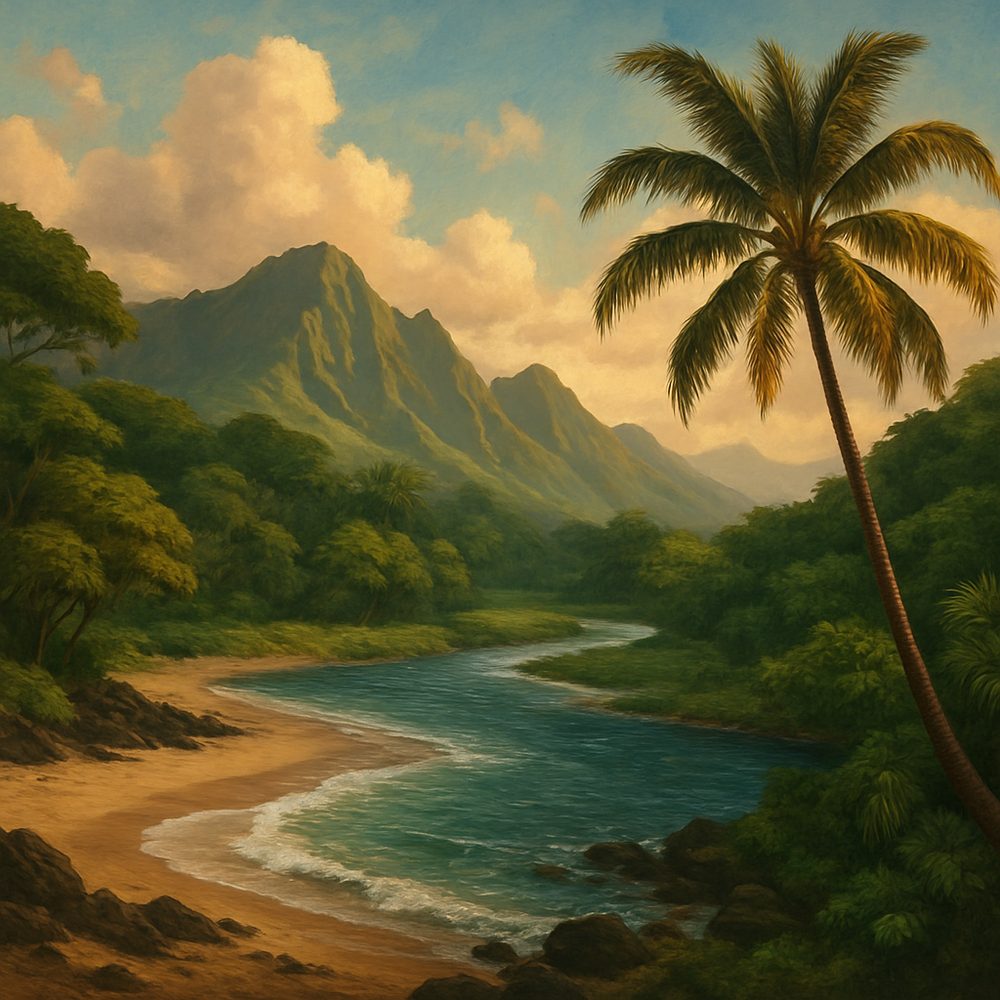
Travel just under an hour northwest of Honolulu to the quaint town of Haleiwa on the North Shore of Oahu, and you find a contrasting rhythm of country life. This surfer’s haven is framed by rolling hills and expansive beaches, giving a more laid-back vibe than the capital’s high-energy streets. Exploring the Waimea Valley Botanical Garden, about a 15-minute drive from Haleiwa’s center, visitors stroll along shaded trails flanked by native Hawaiian flora leading to Waimea Falls. The waterfall itself, plunging 45 feet into a natural pool, invites a refreshing swim, especially in the warmer months. Waimea Valley’s cultural sites, including ancient fishponds and petroglyphs, offer a glimpse into traditional Hawaiian life, grounding the area in history and natural beauty. The North Shore’s charm lies in its slower pace, where locals and visitors alike gather at beachside food trucks after a day of surfing or hiking.
On the Big Island, the contrast between city and country life unfolds vividly in Hilo and the surrounding Puna district. Hilo, about 45 minutes north of Hawaii Volcanoes National Park, is the island’s largest town and cultural hub. The Lyman Museum in Hilo showcases the island’s rich natural history, from volcanic geology to native plants and animals, providing an urban cultural touchstone. The town’s bayfront sits under towering palms where you can stroll along Banyan Drive, famed for its massive banyan trees planted decades ago. Hilo’s frequent rain showers keep the area lush and green, creating a different island atmosphere from the drier Kona coast. Just south of Hilo, Puna offers a more rural experience with its black sand beaches like Isaac Hale Beach Park and a network of geothermal hot springs, perfect for soaking under the stars. Here, the land feels wilder and less developed, a place where country living includes close ties to nature and community.
On Maui, the town of Kahului represents the island’s urban side with its busy harbor and commercial centers about 10 miles north of popular tourist spots like Kihei. The Maui Arts & Cultural Center in Kahului hosts a calendar of performances ranging from Hawaiian music to international theater, making it a hub for cultural engagement. Visitors can explore local farmers’ markets or check out the Alexander & Baldwin Sugar Museum to understand Maui’s plantation history that shaped much of its urban development. Kahului provides a blend of convenience, culture, and island commerce that city lovers appreciate, especially for those seeking a base with amenities before venturing into the island’s natural wonders.
For a taste of Maui’s country charm, a drive to the upcountry town of Makawao in central Maui, about 30 minutes from Kahului, presents a different side of island life. Makawao’s paniolo (Hawaiian cowboy) heritage comes alive in its art galleries, boutiques, and the annual Makawao Rodeo. The Ali’i Kula Lavender Farm, perched at 3,000 feet elevation just a few miles from town, offers peaceful walking trails through fragrant lavender fields with panoramic views of the island’s slopes and the ocean beyond. The cooler climate and slower pace make this a refreshing contrast to the coastal towns. Visiting during the summer months enhances the experience when the farm’s lavender is in full bloom, filling the air with scent and color.
On Kauai, the town of Lihue, located on the southeast coast and approximately 10 miles from the island’s main airport, serves as a practical urban center with large shopping areas and government offices. Yet, not far from the town lies the nearby Kilohana Plantation, a stately estate turned cultural venue offering tours of historic buildings, a private railroad ride, and a chance to sample island-grown fruits and local cuisine. This plantation encapsulates a mix of city conveniences with a country estate’s peaceful grounds. It’s a place where visitors can understand Kauai’s agricultural history and indulge in its culinary bounty without venturing far from Lihue’s urban amenities.
Just west of Lihue, the Kokee State Park presents the lush, rural side of Kauai about an hour’s drive inland. The park’s trails, including the challenging Alakai Swamp Trail, wind through dense forests and lead to breathtaking overlooks of the Kalalau Valley along the Napali Coast. The elevation and cooler temperatures here contrast sharply with the island’s coastal lowlands, offering a refreshing escape for hikers and nature lovers. Seeing native birds such as the apapane and iiwi in the treetops adds a layer of enchantment to the experience. Early morning hikes reveal misty landscapes and a chance to watch the sunrise from the scenic Kalalau Lookout, making the rural wilderness of Kokee a highlight for those seeking solitude and natural beauty.
Back on Oahu, the neighborhood of Kailua on the island’s windward coast offers a hybrid experience about 25 minutes east of Honolulu. Known for its stunning white-sand beaches like Kailua Beach Park and Lanikai Beach, it attracts residents and visitors who enjoy outdoor recreation in a small-town atmosphere. Kailua’s town center has a collection of local shops, cafes, and a weekly farmers market, providing a friendly community vibe without sacrificing access to city comforts. Paddling or kayaking in Kailua Bay, especially in the calm mornings, reveals turquoise waters framed by the Mokulua Islands offshore. This blend of accessible urban amenities with an effortless connection to nature makes Kailua an ideal spot for those who want the best of both worlds in Hawaii living.