North vs. South Hawaii: What’s the Difference?
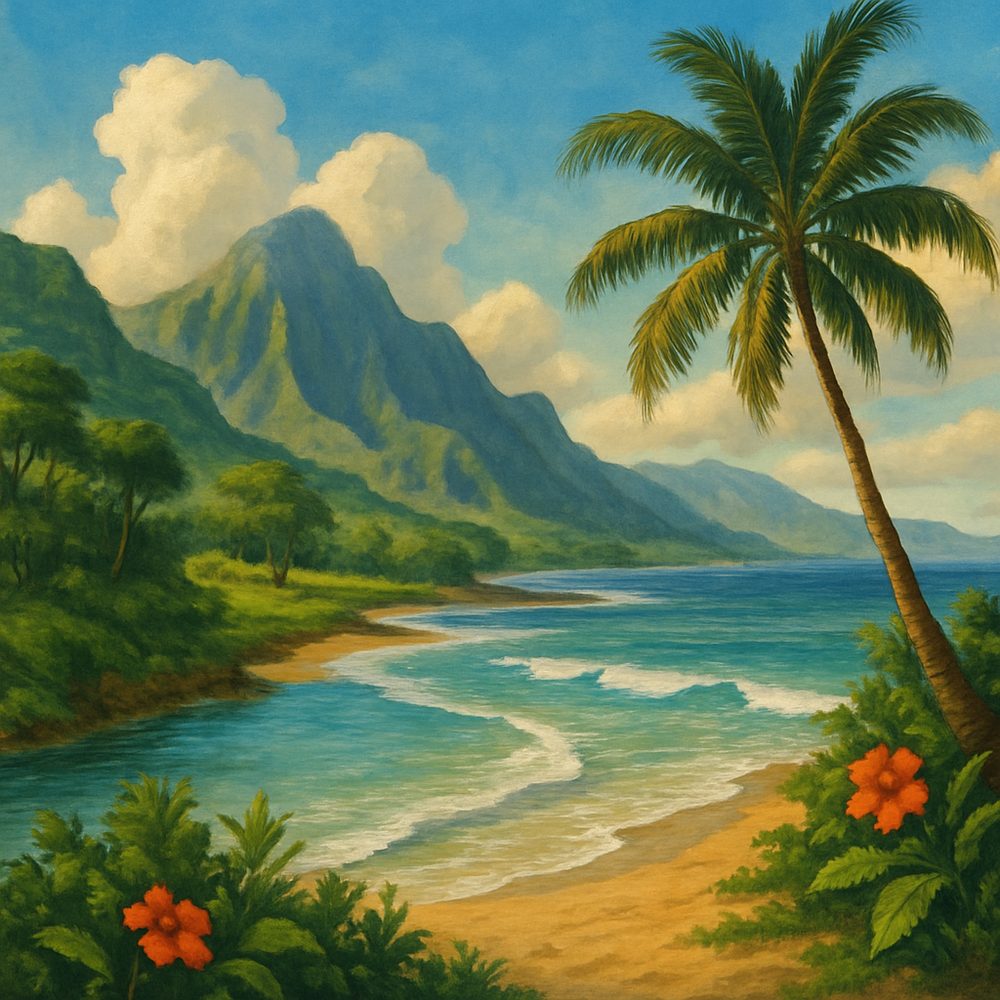
Kailua-Kona on the west coast of the Big Island offers a sunny, bustling gateway to South Hawaii that contrasts sharply with the lush, tranquil vibe of North Hawaii’s Waimea. About 20 miles north of Kailua-Kona, the town of Waimea sits at a higher elevation, surrounded by rolling green pastures and cooler temperatures. While Kailua-Kona pulses with beachside energy, boutique shops, and historic sites, Waimea feels like a verdant countryside retreat, known for its paniolo (Hawaiian cowboy) heritage and hearty ranch-style cuisine.
Just south of Kailua-Kona, Kaloko-Honokōhau National Historical Park immerses visitors in the rich cultural and natural history of South Hawaii. This coastal park showcases ancient fishponds, petroglyphs, and native marine life along its easy 2.5-mile Ala Kahakai trail. Visitors can spot green sea turtles basking on the lava rocks or explore the remnants of traditional Hawaiian settlements. The park’s dry, sunny climate makes afternoon visits perfect for combining history with coastal hiking and snorkeling in the clear, warm waters.
North of Waimea, visitors find themselves in the heart of the Kohala Coast, where Pololu Valley Lookout reveals a dramatic drop to black sand beaches and lush valleys. Located about 60 miles north of Kailua-Kona, this spot offers a short, steep hike down to the valley floor that rewards with breathtaking views of the rugged coastline. Pololu’s remoteness and raw beauty provide a stark contrast to the resort-lined beaches of South Hawaii, especially at sunrise when the morning light accentuates the green cliffs and turquoise waters.
In South Hawaii’s capital, Hilo, Akaka Falls State Park showcases one of the island’s most famous natural wonders. About 11 miles north of Hilo, the park’s easy 0.4-mile loop meanders through a tropical rainforest to reveal Akaka Falls plunging 442 feet into a fern-framed gorge. The moist, misty environment here feels worlds away from the arid lava fields near Kailua-Kona. Visiting during or after the rainy season enhances the waterfall’s flow, creating a spectacular cascade that draws photographers and nature lovers alike.
For a taste of North Hawaii’s agricultural roots, the Parker Ranch in Waimea stands as one of the largest cattle ranches in the United States, just a stone’s throw from the town center. Guided tours here offer insight into the history of Hawaiian ranching and the paniolo lifestyle, complete with demonstrations of traditional horsemanship and storytelling. The higher elevation and cooler climate around Waimea support a different kind of farming than the tropical sugar cane fields found toward the south, reflecting the island’s ecological diversity.
South of Hilo, the Hawaii Tropical Botanical Garden offers a lush, curated experience about 15 minutes northeast of the city. Visitors wander through trails lined with exotic plants, waterfalls, and ocean views, all thriving in this wet, warm part of the island. The garden’s microclimate nurtures rare orchids, towering palms, and native Hawaiian flora, making it a must-see for plant enthusiasts. Mid-morning visits reveal vibrant bird activity and the full glory of blooming tropical species.
Up north near the coastal town of Hawi, the Pololu Valley trailhead town pulses with local art galleries and cafés, reflecting North Hawaii’s laid-back, creative spirit. Hawi is about 65 miles north of Kailua-Kona and serves as a quieter counterpoint to the tourist hubs down south. Its fusion of cultural events and artisan shops makes it a charming stop before or after exploring the nearby valleys. The town’s cooler air and panoramic views of the Pacific inspire a slower pace that invites lingering and discovery.
Along the southern coast, the green sand beach at Papakōlea, near South Point, is one of the rarest in the world. About 50 miles south of Kailua-Kona, this unique beach is reached by a rugged 2.5-mile hike across volcanic terrain. The sand’s distinctive olive-green hue comes from the mineral olivine, which erodes from the surrounding volcanic cinder cone. This spot’s remote location and unusual geology set it apart from the white and black sand beaches more common elsewhere on the island.
Exploring the contrast between North and South Hawaii means experiencing different microclimates, landscapes, and cultural histories. Whether wandering the rainforests around Hilo or the cowboy country of Waimea, or soaking up sun and surf near Kailua-Kona, each part of the island offers a unique way to engage with Hawaii’s rich, layered identity. The island’s diversity is its greatest allure, inviting travelers to discover how geography shapes culture, cuisine, and adventure in distinct but equally captivating ways.