City vs. Country Life in Idaho: Pros, Cons, and Best of Both Worlds
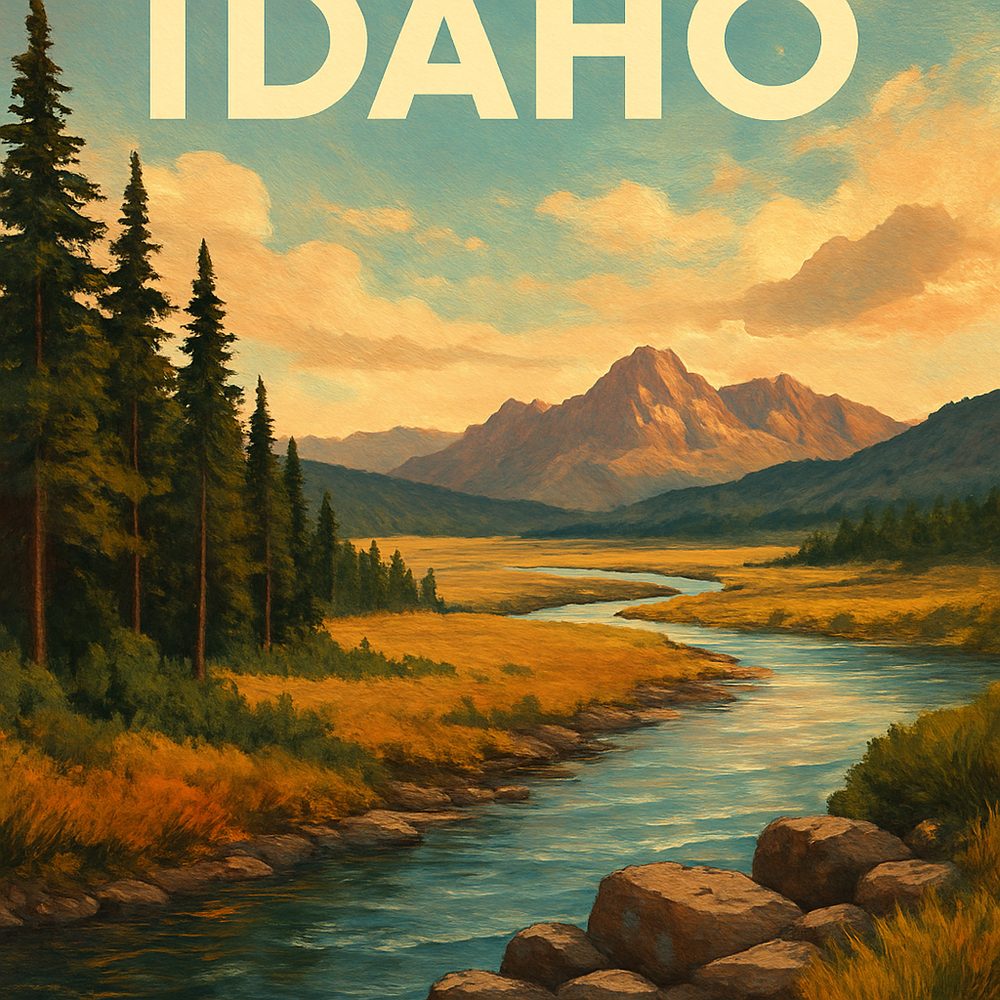
Just over a two-hour drive north from Boise, nestled beside the sparkling waters of Lake Coeur d’Alene, the city of Coeur d’Alene offers a vibrant urban experience framed by Idaho’s lush natural beauty. Here, visitors can stroll along the vibrant downtown waterfront, browse art galleries and boutiques, or hop aboard the historic Lake Coeur d’Alene Cruise for a serene boat tour. The city’s lively vibe contrasts with its scenic setting, where the lake’s calm surface mirrors the surrounding forested hills. Summer evenings bring outdoor concerts and festivals that showcase local culture, making this city a lively yet approachable hub for those who crave a blend of urban amenities and nature. Its proximity to outdoor adventures lets visitors sample city life without leaving the outdoors behind.
Head south from the urban buzz of Boise about 45 minutes, and you’ll discover the quiet charm of the Snake River Birds of Prey National Conservation Area. This expansive stretch of high desert and canyon country offers a striking counterpoint to city life. Hiking the Rattlesnake Creek Trail, a moderately challenging 7-mile loop near the town of Glenns Ferry, provides sweeping views over the Snake River and the chance to spot resident raptors like hawks and falcons in their natural habitat. The stark landscape, painted in ochre and sagebrush, feels deeply removed from the city’s hustle, inviting mindful exploration. Spring offers the best conditions, with wildflowers blooming and migratory birds passing through, making it a refuge for both wildlife enthusiasts and solitude seekers.
In the heart of Boise itself, the Basque Block in downtown reveals a different facet of city living, rich with cultural history and vibrant community spirit. This small district, about a mile from the city center, pulses with Basque heritage through its eateries, shops, and the Basque Museum and Cultural Center. Visitors can sample traditional pintxos or watch pelota ball games, immersing themselves in a unique urban enclave that preserves Idaho’s immigrant roots. The Basque Block’s close-knit atmosphere and lively festivals stand out as a testament to how city neighborhoods can maintain distinct identities amidst metropolitan growth. Early autumn, when the weather is crisp and the Basque Festival takes place, is particularly rewarding for a visit.
Venture nearly three hours east from Boise, and you arrive in the rural town of Stanley, a gateway to the Sawtooth Mountains. This small community, set against a backdrop of jagged peaks and alpine lakes, embodies rural Idaho’s rugged beauty. Hiking the popular Alice Lake Trail, a moderate 4.5-mile loop, rewards visitors with crystal-clear waters framed by towering granite spires. Stanley’s remoteness and limited development preserve a peaceful atmosphere that feels worlds apart from cityscapes. Summer and early fall offer the best hiking conditions, with wildflowers in bloom and fewer mosquitoes. The town’s rustic lodges and campgrounds provide cozy bases for disconnecting and soaking in Idaho’s vast wilderness.
Closer to urban Idaho, the Boise Foothills offer a sweet spot where country landscapes meet city accessibility. Just minutes northeast of downtown Boise, the Ridge to Rivers trail system features over 190 miles of interconnected paths. The Hulls Gulch Trail is a popular choice—a scenic 3.5-mile out-and-back that climbs through sagebrush and pockets of pine, offering panoramic views of the city below. This greenbelt is a favorite among mountain bikers, runners, and hikers alike, showcasing how city residents can enjoy quick escapes to nature without lengthy travel. Spring mornings, when wildflowers brighten the foothills and birdsong fills the air, highlight the contrast between urban living and natural peace.
In northern Idaho, the town of Sandpoint, perched on the shores of Lake Pend Oreille about 90 miles south of the Canadian border, stands as a charming fusion of country serenity and cultural vitality. Strolling through its historic downtown reveals local art galleries, craft breweries, and cafés that draw visitors year-round. The nearby Schweitzer Mountain Resort, just a short drive away, offers outdoor activities from skiing in winter to hiking and mountain biking in summer. This blend of small-town coziness with vibrant cultural life and world-class outdoor recreation encapsulates a balanced Idaho lifestyle. Fall, when the foliage lights up the surrounding forests, enhances the town’s welcoming, picturesque appeal.
Finally, the Craters of the Moon National Monument, roughly two and a half hours east of Boise near Arco, offers a surreal desert landscape that feels far removed from city life. Visitors can explore the rugged lava fields via the easy 1.5-mile Devil’s Orchard Trail, which winds past twisted lava trees and caves formed by ancient volcanic flows. This otherworldly terrain, unlike anywhere else in Idaho, is a striking reminder of the state’s geological diversity. Exploring by day under clear blue skies reveals stark contrasts between rugged wilderness and the comfort of Idaho’s urban centers. The summer months provide the most accessible conditions, as winter snows can close roads and trails.
In Idaho, the draw of both city and country life is palpable, with places like Coeur d’Alene and Boise offering urban energy wrapped in natural beauty, while towns like Stanley and Sandpoint provide peaceful retreats rich with outdoor adventure and community warmth. The ability to traverse from bustling streets to quiet trails within hours defines Idaho’s unique appeal, inviting visitors to embrace the best of both worlds on a single trip.