North vs. South Idaho: What’s the Difference?
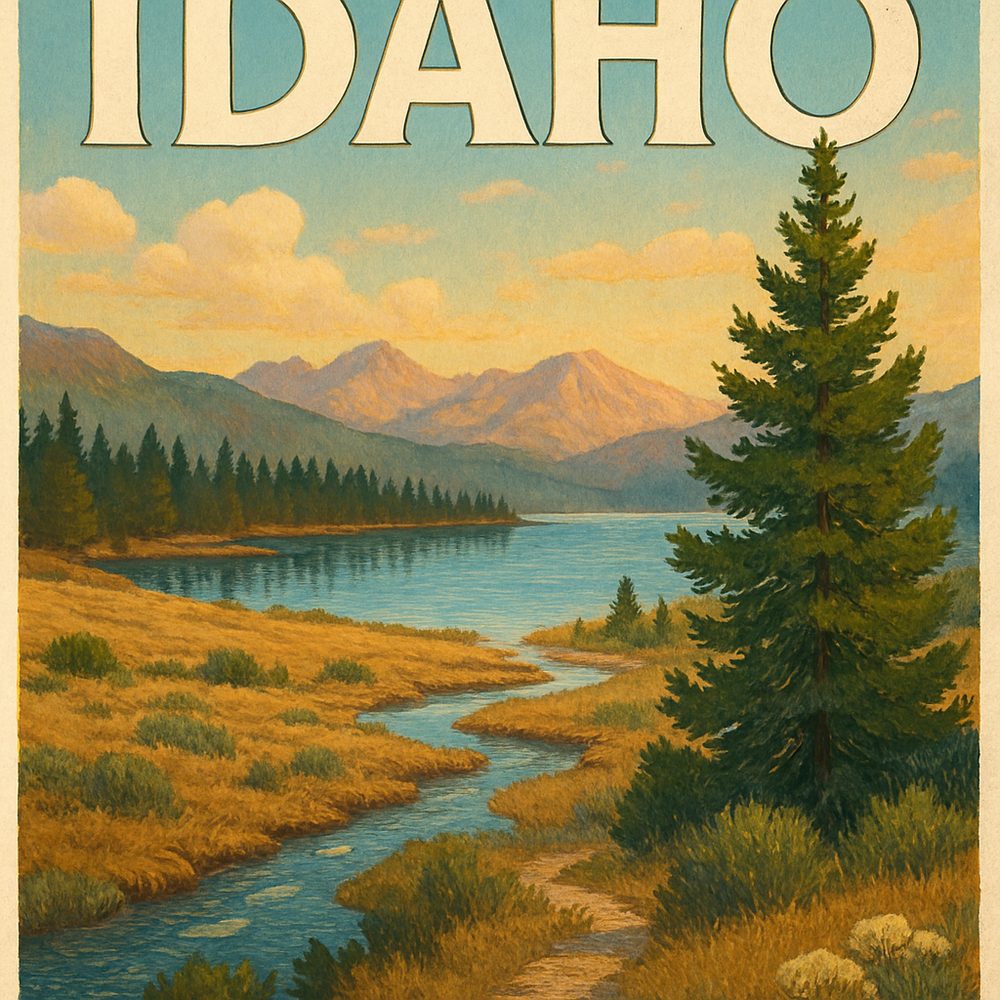
Idaho’s vast landscape splits naturally into two distinctive regions, each offering a very different experience for visitors and locals alike. In the northern part of the state, just a short 45-minute drive north from Coeur d’Alene, you’ll find the rugged beauty of Schweitzer Mountain Resort. This sprawling ski area stands out with its impressive 2,900 vertical feet of terrain and panoramic views of Lake Pend Oreille, the largest lake in Idaho. Schweitzer’s diverse trails cater to all skill levels, but its alpine vibe and forested slopes give it a distinctly wild, less-commercialized feel compared to southern ski resorts. Winter is naturally prime time here, when fresh powder blankets the slopes, but summer hiking routes like the Schweitzer Ridge Trail reveal wildflower meadows and cool mountain vistas under clear blue skies.
Traveling down nearly 300 miles to the southern part of Idaho near Twin Falls, Shoshone Falls Park offers a striking contrast. Located just a short drive from the city center, this park showcases a waterfall often called the “Niagara of the West.” The falls plunge 212 feet, which is even higher than Niagara Falls, and the surrounding basalt cliffs form a dramatic canyon backdrop. Visitors come here to stroll along paved viewing platforms, picnic on grassy terraces, and even kayak in the Snake River below during warmer months. The sense of scale and raw power at Shoshone Falls leaves a lasting impression and highlights southern Idaho’s more arid, desert-like character—especially vivid in the sunny late spring or early fall.
In North Idaho’s Silver Valley, around an hour east of Coeur d’Alene, the historic mining town of Wallace offers a fascinating glimpse into the state’s rugged past. This well-preserved town sits amid forested mountains and reveals a unique blend of Victorian architecture and mining heritage. The Northwest Museum of Mining and Geology makes a great stop, with exhibits that detail the silver and lead mining boom that shaped much of northern Idaho. Walking the town’s main street, you’ll notice vintage storefronts and murals depicting mining life, making it a living museum. Summers bring lively festivals and ideal weather for exploring, while the deep winter snow cloaks Wallace in a quiet, nostalgic charm.
In contrast, the southern city of Boise pulses with modern energy and cultural flair, particularly in its thriving downtown district. A visit to the Basque Block, located just minutes from downtown’s core, immerses visitors in the unique legacy of Basque immigrants who settled here. This vibrant neighborhood features shops, restaurants, and the Basque Museum & Cultural Center, which offers rotating exhibits on Basque heritage alongside traditional dance and music performances. Sampling authentic Basque cuisine like lamb stews and chorizo sandwiches in this lively district provides a taste of Boise’s multicultural roots. Late spring and early fall are perfect for wandering the block when outdoor seating spills into the streets and festivals celebrate Basque culture.
For those who love wide-open spaces and starry nights, South Idaho’s Craters of the Moon National Monument, located about two hours east of Boise near Arco, offers a surreal landscape of volcanic rock and lava flows unlike anywhere else in the state. Hiking the loop trail around the Devil’s Orchard provides an easy but otherworldly walk among twisted lava trees and craters. The stark black and gray terrain stretches for miles, and the absence of light pollution makes this an exceptional spot for stargazing. Summer evenings are especially magical here, when clear skies illuminate the rugged volcanic features and the heat of the day fades.
Up in the north near Sandpoint, Lake Pend Oreille invites visitors to paddle, fish, or simply relax beside its pristine waters surrounded by forested hills. Sandpoint’s City Beach Park is an ideal spot to launch kayaks or enjoy a lakeside picnic. The lake’s cool, deep waters make it unique in the region, supporting species like kokanee salmon and lake trout. Early autumn is a wonderful time to visit, when the surrounding forests blaze with fall colors reflected on the lake’s surface, creating picture-perfect tranquility in a small-town setting.
Further south near Idaho Falls, the Museum of Idaho offers a gateway to the region’s rich natural and cultural history. Within a short drive of the city center, the museum presents engaging exhibits on everything from the Snake River Plain’s volcanic activity to Native American artifacts and pioneer stories. Its interactive displays and rotating special exhibits give visitors a hands-on sense of southern Idaho’s diverse heritage. Spring and fall are excellent times to visit, when the weather encourages exploring both the museum and nearby outdoor attractions like the Snake River Greenbelt.
North Idaho’s rugged Selkirk Mountains, accessed from the town of Priest River about 40 minutes north of Sandpoint, provide a true wilderness experience. Trails like the Beckwith Mountain Loop offer challenging hikes through dense forests and alpine meadows, rewarding adventurers with sweeping views of the Pend Oreille valley below. This area’s lush, temperate rainforest-like environment contrasts sharply with the drier southern plains and deserts. Summer months are ideal for tackling these trails, when wildflowers bloom and wildlife like deer and eagles are often spotted.
Meanwhile, in the south near the small town of Hagerman, the Hagerman Fossil Beds National Monument preserves an extraordinary window into the Pliocene Epoch. Located roughly 90 minutes from Boise, this site features well-preserved fossils of ancient horses, camels, and mastodons embedded in sediment along the Snake River. Walking the Fossil Overlook Trail provides an easy hike with interpretive signs explaining the area’s prehistoric ecology. Late spring and early fall offer cooler temperatures for exploring the semi-arid landscape dotted with sagebrush and juniper trees.
By visiting these places, travelers can see how Idaho’s northern and southern halves differ not just in geography and climate but in culture and lifestyle. The north’s forested mountains and alpine lakes contrast with the south’s volcanic plains and desert canyons. Towns like Wallace and Sandpoint preserve a slower, historic rhythm, while Boise and Twin Falls reflect a more modern, bustling energy. Yet both regions share a wild, untamed spirit that makes Idaho a truly memorable destination.