North vs. South Illinois: What’s the Difference?
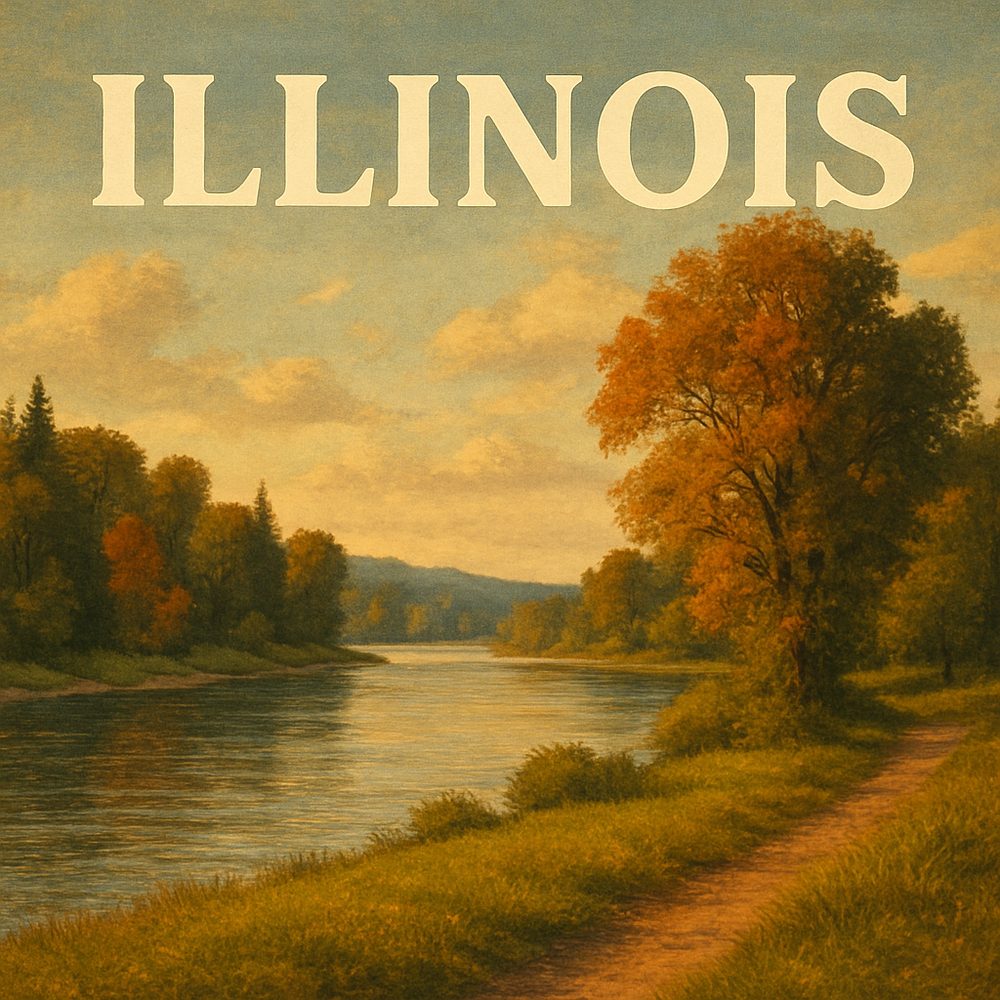
Travelers exploring Illinois quickly notice a striking contrast between its northern and southern regions. Start your journey in Chicago’s Lincoln Park, just a few miles north of downtown Chicago. This sprawling urban park offers a unique blend of city life and natural beauty with its winding trails along Lake Michigan, the Lincoln Park Zoo, and the renowned Chicago History Museum. The park’s mix of cultural attractions and lakefront views encapsulates the vibrant, cosmopolitan vibe that dominates northern Illinois. Visiting in late spring or early fall lets you enjoy mild weather and fewer crowds, ideal for strolling the trails or exploring the museum’s exhibits on the city’s immigrant roots.
A short drive west from Chicago, Starved Rock State Park near Utica, about 90 miles southwest of the city, showcases the rugged terrain more typical of northern Illinois’ sandstone canyons and waterfalls. The park’s famed Starved Rock Trail is an accessible three-mile loop that leads visitors past towering cliffs, seasonal cascades, and scenic overlooks of the Illinois River. This geology and the natural beauty feel more dramatic here than in most of the state’s north, offering an immersive outdoor escape that contrasts with urban northern Illinois. Spring, when waterfalls are at their peak flow, is the best time to hike these trails.
Farther south, the ambience shifts dramatically in towns like Shawneetown, located along the Ohio River, roughly two and a half hours southeast of St. Louis. The Shawneetown Bank State Historic Site commemorates the area’s role as Illinois’ first banking center in the early 19th century and reflects the deep historical roots that permeate southern Illinois. The town’s riverfront setting and preserved 19th-century architecture give visitors a tangible sense of the region’s quieter, slower pace and its closeness to the Mississippi and Ohio Rivers’ waterways that have shaped local life for centuries.
For a raw taste of southern Illinois’ natural landscape, Giant City State Park near Carbondale, about 20 minutes southeast of the city, offers something the north lacks: dense hardwood forests and huge sandstone bluffs. The Giant City Nature Trail is a nearly two-mile loop that winds through towering rock formations and lush forest canopy. It’s renowned for its challenging climbs and dramatic overlooks, providing an adventurous experience far from the flat prairie lands typical of northern Illinois. Fall colors here are spectacular, making autumn the perfect season to visit when the foliage paints the bluffs in fiery reds and golds.
In Chicago’s North Shore suburbs, the Ravinia Festival in Highland Park, about 25 miles north of downtown Chicago, embodies the north’s cultural sophistication. This outdoor music venue, set in a wooded ravine, has welcomed world-class performers since 1904. Attending a summer evening concert here immerses visitors in an elegant yet approachable arts experience, underscoring the north’s identity as a cultural hub. The setting sun over the wooded hills adds a magical quality to performances that you won’t find in most southern Illinois venues.
Down south, the town of Anna hosts the Anna State Fish and Wildlife Area, about 20 minutes east of Carbondale, offering a different kind of recreational appeal. This area is prized for its wetland habitats and abundant wildlife, including migratory birds. Hiking and birdwatching trails here attract nature lovers seeking a quiet, less developed environment compared to the north’s bustling parks. Early spring migration seasons present prime birdwatching conditions, making it a hotspot for enthusiasts wanting to see species that don’t frequent northern Illinois.
Traveling back north, the Illinois Railway Museum in Union, roughly 50 miles northwest of Chicago, celebrates the state’s pivotal role in the nation’s railroad history. Visitors can ride vintage trains and explore exhibits featuring historic locomotives and railcars. This interactive museum offers a hands-on look at northern Illinois’ industrial heritage, a stark contrast to the agricultural and river-centric history of the south. Warm months are ideal for train rides through the scenic Midwest countryside, adding another layer to your understanding of northern Illinois’ identity.
In the far south, though, visitors find the Shawnee National Forest near Jonesboro, about 75 miles southeast of St. Louis. Renowned for its deep hollows, unique rock formations, and extensive trail network, the forest is a giant playground for hikers, campers, and climbers. The Garden of the Gods Recreation Area within the forest features striking rock pinnacles and panoramic views that feel like stepping into another world. This landscape, with its rugged topography and biodiversity, stands in sharp contrast to the suburban and urban settings of the north. Late spring and early fall provide the most comfortable weather for exploring these trails.
Each of these places, from Chicago’s bustling lakeside parks and cultural venues to the tranquil forests and river towns of the south, illustrates distinct facets of Illinois’ diverse identity. The north pulses with urban energy, cultural institutions, and lake-driven recreation, while the south offers natural splendor, historic small towns, and a connection to the mighty rivers that shaped the nation. Together, they create a state of contrasts that invites exploration on every level, rewarding visitors with authentic experiences that speak to the heart of Illinois.