City vs. Country Life in Indiana: Pros, Cons, and Best of Both Worlds
Just a short drive north from downtown Indianapolis, the historic district of Broad Ripple Village offers a vibrant urban experience that captures the pulse of city life in Indiana’s capital. Here, visitors stroll along the Monon Trail, a popular multi-use path running through the neighborhood, lined with eclectic boutiques, craft breweries, and lively eateries. Broad Ripple’s artistic vibe shines brightly in the numerous galleries and the famous Street Art Murals that color the district’s walls. This area is uniquely appealing for its blend of urban convenience with a creative, walkable environment. An evening here comes alive with live music venues and a youthful energy most pronounced during summer weekends when patios fill with locals and visitors alike.
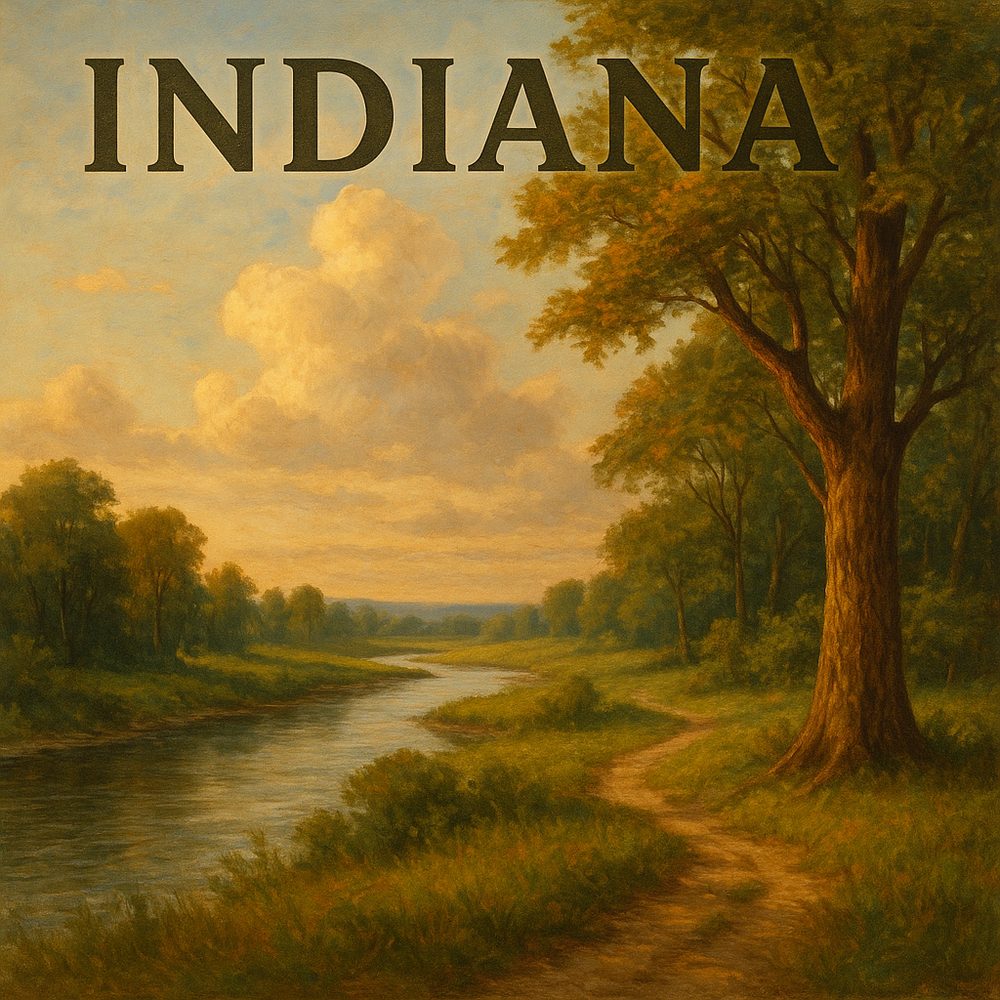
For a sharp contrast, about two and a half hours northeast of Indianapolis near Fort Wayne lies Pokagon State Park, a serene retreat renowned for its natural beauty and outdoor activities. The park’s Potawatomi Inn provides access to the 1.5-mile Potawatomi Trail, an easy loop that meanders through wooded areas and alongside Lake James, a glistening body of water that invites paddling and fishing. This spot’s standout feature is the toboggan run, a seasonal thrill that brings a touch of alpine fun to the Midwest. Pokagon’s quiet lakeside cabins and forested trails make it a quintessential country refuge, especially magical in the fall when the hardwoods burst into fiery reds and golds.
Roughly 75 miles south of Indianapolis, the town of Bloomington offers a charming middle ground between city bustle and small-town tranquility. The Indiana University campus anchors the city with its mix of collegiate energy and Midwestern warmth. Exploring the campus greenhouse or catching a performance at the Buskirk-Chumley Theater gives a taste of local culture, while the nearby Hoosier National Forest envelops visitors in miles of hiking and horseback riding trails. The synergy between Bloomington’s intellectual buzz and its proximity to expansive natural spaces makes it a compelling choice for those seeking a balance of amenities and outdoor escapades.
Further west, just outside Lafayette and about 60 miles northwest of Indianapolis, Prophetstown State Park presents a fascinating blend of agricultural heritage and natural prairie restoration. The park’s Living History Area recreates an 1820s farmstead, offering a tangible link to Indiana’s rural past. Walking the Prairie Ridge Trail, visitors can observe efforts to revive native grasses and wildflowers, a rarity in the Corn Belt region. The park’s openness and educational focus provide a distinctive experience that’s both peaceful and thought-provoking, especially in late spring when wildflowers bloom and migratory birds pass through on the nearby Wabash River.
In the heart of Evansville, near the Kentucky border and about three hours southwest of Indianapolis, the city’s riverfront district pulses with urban revitalization against a backdrop of historic architecture. The Riverfront Amphitheater hosts concerts and festivals, while the nearby Evansville Museum of Arts, History & Science showcases exhibits that span from regional art to natural history. The museum’s collections spotlight the Ohio River’s impact on local development and culture, providing a vivid sense of place within a growing city. Evenings along the riverwalk reveal a lively scene of dining and community gatherings, ideal for visitors wanting that urban vibe with Midwestern charm.
Drive two hours east from Indianapolis to the small town of Metamora and you step into a postcard-perfect example of Indiana’s rural heritage. Metamora Canal Town is preserved around the historic Whitewater Canal, with quaint shops, artisan crafts, and canal boat rides that transport visitors back to the 19th century. The slow pace and scenic waterway offer a calming respite from the fast-moving city life. Fall, when the leaves turn and the town hosts harvest festivals, is especially evocative here, offering a true sense of country living steeped in local tradition.
Nestled in southern Indiana near New Albany, just across the river from Louisville, the historic town of Jeffersonville blends riverfront charm with a growing arts scene. The Big Four Bridge, a converted railroad bridge now a pedestrian walkway, connects Jeffersonville to Louisville, inviting exploration of two states in one outing. The town’s downtown district features restored warehouses hosting galleries, craft breweries, and farm-to-table restaurants embracing southern Indiana ingredients. This riverside community offers a compelling mix of small-town spirit and metropolitan access, especially vibrant during the warmer months when the waterfront comes alive with festivals and outdoor dining.
Each of these destinations demonstrates the rich contrasts between Indiana’s city streets and country lanes, where the rhythms of life unfold in distinctly different yet equally rewarding ways. Whether it’s the urban pulse of Broad Ripple or the tranquil trails of Pokagon, the state invites travelers to experience its diverse character through places that tell stories of history, nature, and community. This blend of environments ensures that Indiana’s appeal is as varied as its landscape, welcoming newcomers to find their own perfect balance between the hustle of city life and the quietude of the country.