City vs. Country Life in Kansas: Pros, Cons, and Best of Both Worlds
Wichita, Kansas’s largest city, pulses with an energy that blends Midwestern friendliness with urban innovation. About 160 miles southwest of Kansas City, Wichita offers visitors a taste of city life through its revitalized Old Town district. Here, historic warehouses have transformed into buzzing restaurants, bars, and art galleries. Strolling the brick-lined streets, you might catch a live jazz set or browse contemporary exhibits at the Wichita Art Museum, home to one of the finest collections of American art between Chicago and Denver. The city’s charm lies in this blend of history and modern culture, all wrapped up in a walkable, welcoming environment. Visiting in the spring or fall reveals the city at its most vibrant, with festivals and outdoor dining filling the warm evenings.
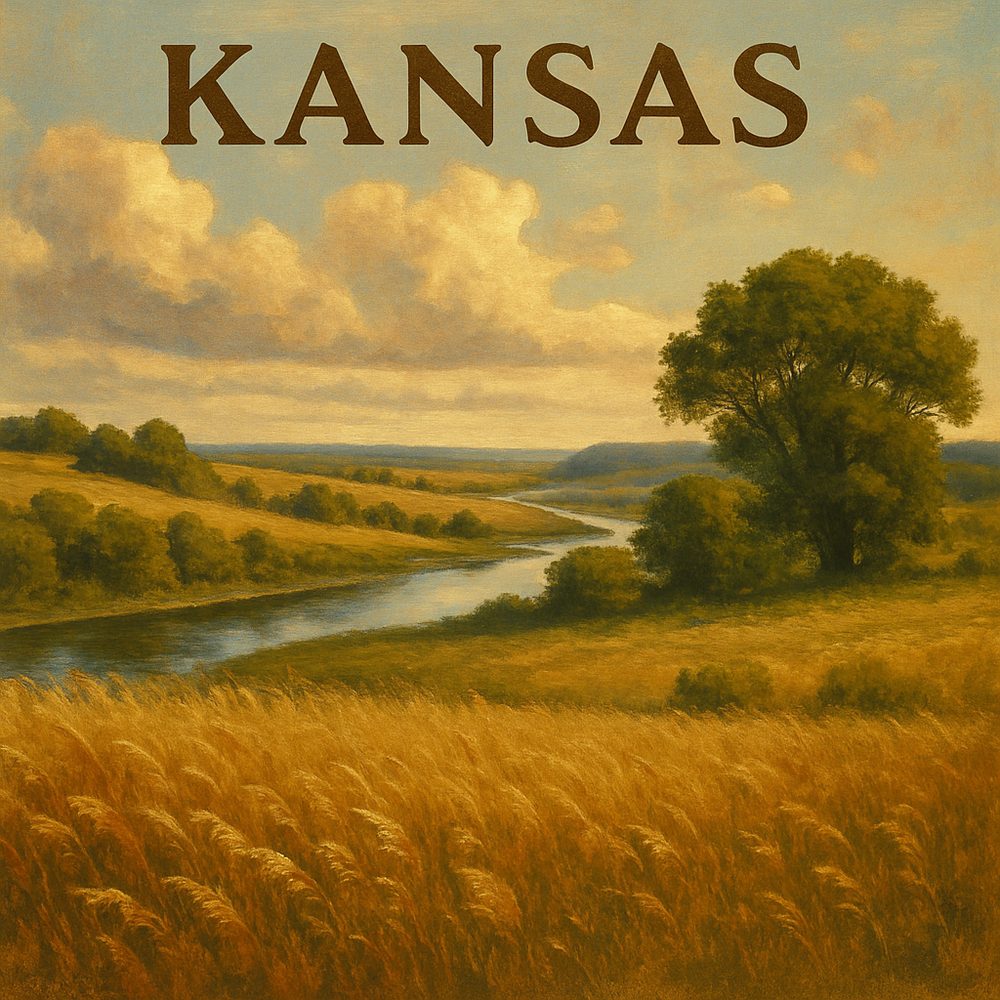
For a taste of the quieter, rural side, the Flint Hills region around Cottonwood Falls, about 70 miles northeast of Wichita, presents a striking contrast. The Tallgrass Prairie National Preserve offers a rare glimpse of the once-vast tallgrass prairie ecosystem, with rolling hills blanketed in waving grasses and wildflowers. Hiking the scenic Tallgrass Prairie Trail Loop, visitors might spot bison roaming freely, a sight that echoes the land’s Native American and pioneer past. This preserve stands out as one of the few places where the prairie landscape remains largely intact, offering tranquil views that stretch to the horizon. Late spring and early summer, when the grasses are lush and wildflowers bloom, is the best time to experience the preserve’s serene beauty.
In the heart of Kansas City, which straddles the Kansas-Missouri border about 130 miles northeast of Wichita, the Country Club Plaza district embodies a sophisticated urban lifestyle infused with Spanish-inspired architecture and vibrant nightlife. Shoppers and diners flock here to enjoy the fountains and plazas, all set against a backdrop of distinctive terra-cotta roofs and wrought iron balconies. The area’s appeal lies in its walkability and the seamless way it fuses outdoor spaces with upscale boutiques and renowned barbecue joints, making it a city experience with a uniquely local flavor. Evening visits bring the district to life with twinkling lights and live music in the open-air courtyards.
For those intrigued by rural life but not far from urban conveniences, the town of Lindsborg, about 90 miles northwest of Wichita, offers a charming small-town vibe steeped in Swedish-American heritage. Known as “Little Sweden,” Lindsborg is dotted with galleries, craft shops, and the Swedish Pavilion from the 1904 World’s Fair. Strolling through downtown, visitors can pop into the Birger Sandzén Memorial Gallery to see bold, colorful paintings that capture the Kansas landscape with a Scandinavian twist. The town celebrates its roots during festivals like Midsummer, when the streets fill with folk music and traditional costumes. Early fall, when the harvest hues color the surrounding fields, is especially picturesque.
About 20 miles north of Topeka, the Eisenhower Presidential Library and Museum in Abilene offers a unique blend of history and rural charm. This site, dedicated to Dwight D. Eisenhower, the 34th president who grew up in Kansas, features immersive exhibits that walk visitors through his military career and presidency. The museum stands out because it anchors national history in a distinctly Kansas setting, surrounded by the gentle plains that shaped Eisenhower’s early years. Visiting during the cooler months can be ideal for exploring the exhibits without the crowds, while the adjacent historic downtown Abilene offers cozy cafes and antique shops to explore afterward.
A short drive from the small town of Wilson, about 100 miles west of Topeka, lies the Kansas Cosmosphere and Space Center in Hutchinson. This extraordinary attraction brings a cosmic sense of wonder to the heartland, housing one of the nation’s premier space museums. Here, visitors can get hands-on with artifacts from the Mercury, Gemini, and Apollo programs and even touch a moon rock. The Cosmosphere’s appeal is its unexpectedness: a world-class space museum set against Kansas’s wide-open skies. Summer visits align perfectly with their outdoor astronomy programs, where clear nights reveal constellations far from city light pollution.
Returning to the city, Lawrence, about 40 miles west of Kansas City, offers a blend of college town vibrancy and historical depth. Anchored by the University of Kansas, downtown Lawrence boasts independent bookstores, eclectic music venues, and a palpable sense of youthful energy. The Watkins Museum of History provides a counterpoint, showcasing the region’s tumultuous past during the Civil War era, including the Bleeding Kansas conflicts. The city’s energy peaks in late spring and early fall, when campus is active and the streets hum with festivals celebrating everything from jazz music to local crafts.
Finally, the Flint Hills Scenic Byway stretches about 47 miles along K-177 highway, from Cassoday to Cottonwood Falls in east-central Kansas. This drive immerses travelers in the rugged beauty of the tallgrass prairie, with panoramic views that are particularly breathtaking at sunrise and sunset when the light casts long shadows over the hills. Along this route, small towns like El Dorado and Cassoday offer country hospitality and local diners serving up Kansas staples like homemade pie and chicken-fried steak. The byway offers visitors the chance to experience both the expansive tranquility of rural Kansas and the warm welcome of its small communities, making it a perfect bridge between city and country living.