North vs. South Kansas: What’s the Difference?
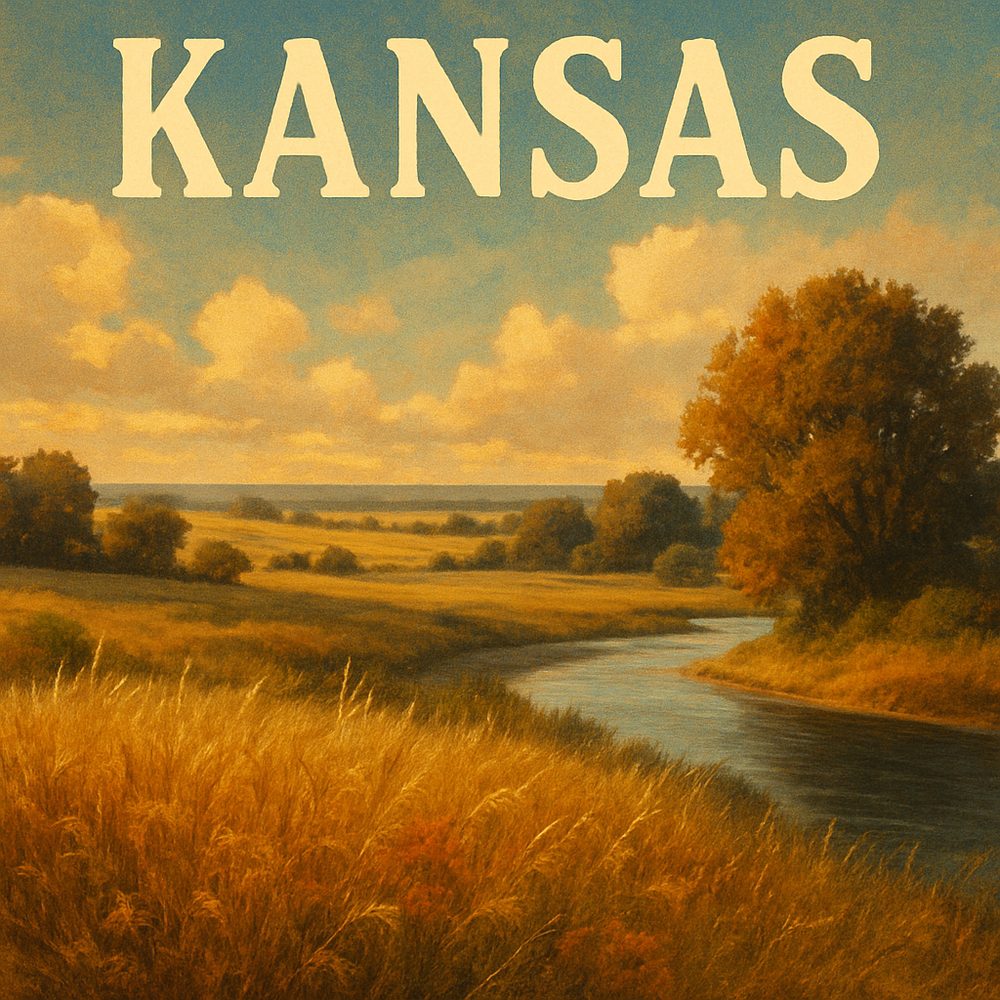
Starting in the north of Kansas, the vast Flint Hills region offers a distinctly different vibe from the southern plains. Just a short 30-minute drive south of Manhattan, the Tallgrass Prairie National Preserve near Strong City immerses visitors in one of the last remnants of the tallgrass prairie ecosystem. Walking the scenic Fall River Trail, a moderate 2.5-mile loop, reveals rolling grasslands dotted with wildflowers and native bison herds. The preserve is unique for its authentic tallgrass experience, a landscape largely vanished elsewhere in America. Spring and early summer bring the prairie to life, with wildflowers in bloom and the grasses waving in the breeze, making it the perfect time to explore this emblem of northern Kansas nature.
In the southern part of the state, the landscape transitions into the High Plains, where the stark beauty of the Red Hills stands out. About two hours southwest of Wichita, the scenic drive through the Red Hills near Medicine Lodge showcases colorful sandstone formations and lingering traces of ancient seas. Visitors can hike the Medicine Lodge Heritage Trail, which offers gentle terrain through canyons and hills with interpretive signs telling tales of the region’s geology and Native American history. The area’s unique red rock formations contrast sharply with the green Flint Hills up north, giving southern Kansas a rugged, almost desert-like character. Late afternoon light in autumn is ideal for photography, casting warm hues on the hillsides.
Traveling to Lawrence, just 40 miles west of Kansas City, offers a cultural window into northern Kansas’ progressive history and lively arts scene. The Watkins Museum of History invites visitors to explore exhibits focused on Lawrence’s role in the Civil War era and the infamous “Bleeding Kansas” conflicts between anti-slavery and pro-slavery settlers. The museum’s artifacts and storytelling connect you directly to the turbulent past that shaped northern Kansas identity. Spring and fall are especially inviting times to visit Lawrence, when the city’s vibrant college-town energy is at its peak and the surrounding gardens bloom.
Just over two hours south of Lawrence, in Wichita—the largest city in southern Kansas—the Exploration Place science museum serves as a hub for innovation and discovery. With hands-on exhibits about Kansas aviation history and the Arkansas River, it highlights the modern, industrious spirit of southern Kansas. The planetarium shows and interactive flight simulators provide a dynamic experience, especially for families. Wichita’s location on the southern plains emphasizes its role as a crossroads for agriculture and technology, contrasting with the more pastoral north. Winter evenings at Exploration Place bring cozy learning opportunities, perfect for escaping cold winds.
For a taste of northern Kansas small-town charm and history, Abilene, about 90 minutes west of Topeka, is a must-visit. The Eisenhower Presidential Library and Museum celebrates the life of the 34th president, who grew up in this humble town. Walking through the museum’s extensive exhibits, visitors gain insight into mid-20th century American history from one of its key figures. The neatly preserved downtown offers classic Midwestern architecture alongside cozy diners serving regional specialties like chicken-fried steak. Summer evenings here offer pleasant weather to stroll the streets or attend outdoor concerts, blending history with community warmth.
Down south, Dodge City provides a vivid contrast steeped in Old West lore. Located roughly three hours west of Wichita, this iconic frontier town offers the Boot Hill Museum, where visitors can wander through reconstructed saloons, a courthouse, and other historic buildings that tell stories of cowboys, outlaws, and cattle drives. The reenactments and gunfight shows bring the wild west spirit to life, making it an immersive experience few northern towns replicate. Visiting during the summer’s “Dodge City Days” festival adds an extra layer of liveliness with parades and rodeo events reflecting southern Kansas’ cowboy heritage.
To glimpse northern Kansas’ agricultural heartland, a stop at the Kansas State Capitol in Topeka, about 60 miles west of Kansas City, reveals elegant architecture and sweeping murals depicting the region’s farming history and political milestones. The guided tours through the golden-domed building offer a chance to learn about the state’s governance and northern Kansas’ role in shaping policy and culture. The Capitol grounds are especially beautiful in spring, when cherry blossoms and tulips adorn the meticulously maintained gardens.
Meanwhile, the southern plains’ vastness is on full display at the Quivira National Wildlife Refuge, about 90 miles southwest of Wichita. This refuge protects a series of wetlands and salt marshes vital for migratory birds along the Central Flyway. Birdwatchers can enjoy watching sandhill cranes, whooping cranes, and rare shorebirds from observation towers and trails such as the Wagon Wheel Trail, an easy 1.5-mile loop. The refuge’s unique ecosystem contrasts sharply with the agricultural fields of northern Kansas. Late fall migration seasons bring the most spectacular wildlife viewing opportunities here.
Driving the scenic highway through the Konza Prairie Biological Station, located just south of Manhattan in northern Kansas, offers a chance to experience ongoing ecological research alongside panoramic vistas of native prairie. Trails like the Konza Prairie Trail provide moderate hikes through grasslands alive with prairie dogs, deer, and wildflowers, while interpretive signs explain the science of fire and grazing in prairie ecosystems. This living laboratory is unique in its blend of conservation and education. Early summer, when the prairie is lush and green, is the best time for a visit.
In the southern city of Hutchinson, roughly an hour north of Wichita, the Kansas Cosmosphere and Space Center stands out as a treasure trove of space exploration history. It houses one of the most extensive collections of U.S. and Russian space artifacts, including actual moon rocks and a replica of the Apollo 13 command module. This focus on aerospace innovation ties into Wichita’s role as a hub for aircraft manufacturing. Visiting during cooler seasons makes for a comfortable indoor adventure, immersing yourself in the pioneering spirit of southern Kansas’ contributions to the final frontier.
These diverse landmarks and landscapes paint a vivid picture of how northern and southern Kansas differ—not just in geography but in culture and history. From the lush tallgrass prairies and progressive college towns of the north to the rugged red hills and cowboy heritage of the south, the Sunflower State offers travelers distinct experiences in every corner. Whether you’re chasing history, wildlife, or scenic beauty, exploring both halves reveals the rich tapestry that defines Kansas today.