North vs. South Louisiana: What’s the Difference?
Stepping into Kisatchie National Forest, about an hour northwest of Alexandria, offers a striking introduction to North Louisiana’s natural side. This vast forest spans hundreds of thousands of acres and feels a world apart from the bayous and plantations of the south. Hiking the 7-mile Backbone Trail near the forest’s scenic Caney Lake area, visitors traverse pine woods and sandstone bluffs, encountering rare longleaf pines and glimpses of wildlife like wild turkeys and deer. The trail’s moderate difficulty and shaded paths make it ideal for spring and fall explorations when the weather cools and wildflowers bloom. Kisatchie’s rugged, pine-dominated landscape contrasts sharply with the lush, swampy wetlands so iconic in southern parts of the state.
Traveling south toward Baton Rouge, a city that straddles the cultural divide of the state, you’ll find the Louisiana State Capitol building, the tallest capitol in the U.S., offering panoramic views from its observation deck. Located about an hour and a half south of Alexandria, Baton Rouge serves as a crossroads where North and South Louisiana’s influences converge. Walking through the Capitol Park Museum, visitors can explore exhibits on the state’s diverse history, from Native American roots to the oil boom, highlighting how the northern and southern regions have shaped Louisiana’s identity differently. Visiting in late winter or early spring allows for clear skies and cooler temperatures, perfect for climbing the tower and enjoying the Mississippi River’s sweeping vistas.
In the heart of South Louisiana, about 60 miles west of New Orleans, lies Lafayette, a city renowned for its Cajun and Creole heritage. The Acadian Village offers a vivid, living history experience with 19th-century Cajun homes and demonstrations of traditional crafts. Strolling through this recreated village transports visitors into the rural, French-speaking culture that thrived in southern Louisiana’s bayous. The nearby Vermilionville Historic Village further immerses travelers in Acadian, Native American, and Creole traditions through costumed interpreters and musical performances, especially vibrant during the cooler months when outdoor festivals fill the air with zydeco and Cajun tunes.
A visit to Shreveport, about 200 miles northwest of New Orleans, reveals a different northern flavor. The R.W. Norton Art Gallery, perched on the picturesque grounds overlooking the Red River, showcases a stunning collection of American and European art alongside sculptures and well-manicured gardens. This cultural landmark demonstrates North Louisiana’s quieter, more reserved arts scene compared to the boisterous festivals down south. Autumn, when the gardens are colorful and the climate mild, provides the best time to wander both inside and out, soaking up the blend of natural beauty and refined art.
Louisiana’s southern charm is perhaps best experienced in New Orleans’ French Quarter, just under 80 miles southeast of Baton Rouge. The French Market buzzes with local vendors, fresh produce, and handmade crafts amid centuries-old architecture. Here, the culinary scene bursts with Creole and Cajun influences—try a classic jambalaya or gumbo prepared with local spices and seafood. The Quarter’s vibrancy peaks during Mardi Gras season in February or March, but evenings any time of year offer the intoxicating mix of jazz spilling from historic clubs, wrought-iron balconies, and lively street musicians that define South Louisiana’s cultural soul.
Just north of New Orleans, about a 45-minute drive, the town of Covington offers a glimpse of North Louisiana’s small-town hospitality blended with a growing arts scene. The Covington Trailhead is a hub for outdoor enthusiasts, providing access to the Tammany Trace, a 31-mile rail-trail ideal for biking and walking through pine forests and wetlands. This area captures a gentler, forested side of Louisiana’s north, contrasting with the dense urban and swamp landscapes further south. Springtime, when azaleas and wisteria bloom along the trail, is a particularly enchanting season to explore.
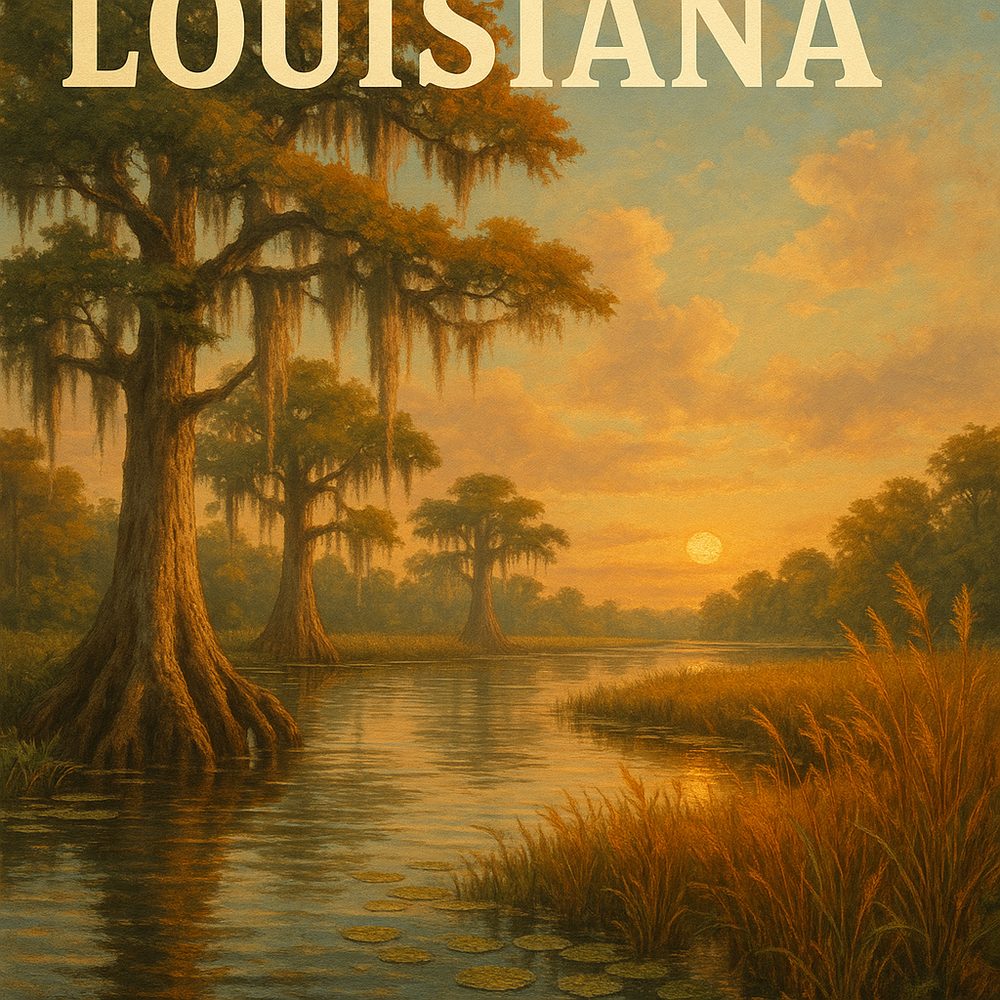
Finally, the Atchafalaya Basin, about 100 miles west of Baton Rouge, showcases the southern swampland that defines Louisiana’s unique ecosystem. Taking a guided swamp tour out of Breaux Bridge, known as the Crawfish Capital of the World, plunges visitors into a labyrinth of bayous and cypress knees. Here, towering bald cypress trees draped in Spanish moss form a cathedral-like canopy, while alligators and egrets inhabit the watery world beneath. The basin’s quiet, mysterious beauty is best experienced in the early morning or late afternoon when fog often blankets the waters, amplifying the sense of being in a timeless wilderness far from the urban bustle.
Together, these diverse locations reveal how Louisiana’s north and south each hold distinct landscapes, histories, and cultures. From Kisatchie’s pine forests and Shreveport’s refined galleries to the Cajun villages around Lafayette and the vibrant streets of New Orleans, each place invites visitors to explore different facets of a state that defies simple definition. Whether drawn to the quieter rhythms of northern towns or the festive spirit of southern bayous, travelers find that Louisiana’s contrasts create a rich, unforgettable experience.