North vs. South Massachusetts: What’s the Difference?
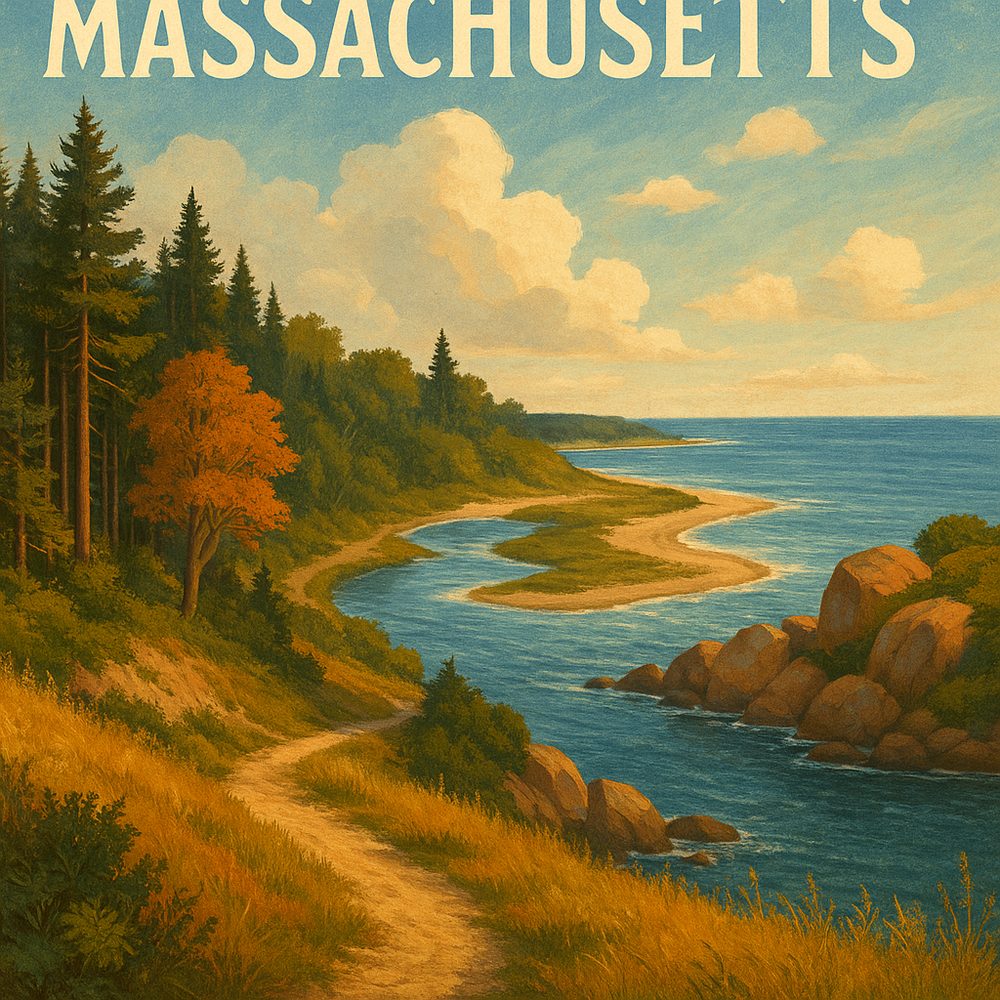
In the northern part of Massachusetts, just a half-hour drive north of Boston, lies the town of Ipswich, renowned for its sprawling Crane Beach. This sandy stretch on the Atlantic coastline offers more than just waves and sun—its salt marshes and dunes provide a habitat to diverse bird species, making it a favorite for birdwatchers and nature lovers alike. Visitors can follow the scenic Ipswich River Trail, a relatively easy walk that meanders through coastal forests before opening onto the beach. The unique blend of protected wetlands and ocean vistas gives Ipswich a quieter, more rural charm compared to the urban bustle of the Boston area. Late spring through early fall is ideal for beachcombing and spotting migrating shorebirds, while the cooler months reveal the rugged beauty of the dunes against a more muted seascape.
Traveling southward, about an hour from Boston, the town of Plymouth offers a rich tableau of American history. Plymouth Rock, nestled near the waterfront, is the symbolic landing place of the Pilgrims in 1620. But beyond this iconic marker, the Plimoth Patuxet Museums provide an immersive experience into early colonial life and the Native American Wampanoag culture through outdoor re-creations and interactive exhibits. Walking through the meticulously crafted 17th-century English village or the Wampanoag Homesite, visitors can sense the complex cultural exchanges that shaped early New England. Fall colors add a vivid backdrop to the outdoor exhibits, making autumn afternoons especially atmospheric for a visit.
In contrast to the coastal north and historic south, the city of Lowell, located about 30 miles northwest of Boston, represents the industrial heart of northern Massachusetts. Lowell National Historical Park preserves the mills and canals that powered America’s Industrial Revolution. Walking tours along the Merrimack River showcase massive brick factory buildings and restored water wheels, telling stories of immigrant labor and technological innovation. The park’s museum displays original machinery and textiles, bringing the era’s gritty urban history to life. Winter visits can feel particularly evocative, as the frozen canals and snow-dusted brickwork create a stark reminder of the region’s industrial past, while summer offers lively cultural festivals celebrating the city’s diverse heritage.
Moving south towards the border with Rhode Island, the town of New Bedford, about an hour south of Boston, offers a completely different maritime legacy. Known as the “Whaling City,” New Bedford’s Whaling Museum captures the golden age of 19th-century whaling with extensive collections of scrimshaw, harpoons, and ship models. Visitors can stroll the historic waterfront district, where old wharves and cobblestone streets echo the heyday of whaling voyages. Unlike the quieter coastal north, New Bedford pulsates with a multicultural vibrancy, reflected in its Portuguese and Cape Verdean communities. Early summer brings whale-watching tours off the coast, linking the museum’s past to the living ocean ecosystem just offshore.
For those who prefer hiking and wooded retreats in the north, the Middlesex Fells Reservation lies just six miles north of Boston in Medford and Stoneham. This expansive state park encompasses over 2,500 acres of forests, rocky hills, and reservoirs. The Skyline Trail, a challenging 7-mile loop, rewards hikers with panoramic views from Wright’s Tower, a stone observation tower perched atop the highest ledge in the park. The rugged terrain and dense woodland provide an immersive escape close to the city, especially beautiful during the fall foliage peak when leaves blaze brilliant reds and oranges. The Fells’ proximity to Boston makes it a favored spot for locals to unwind without a long drive.
Conversely, in southern Massachusetts, the Blue Hills Reservation near Milton, about 15 minutes south of Boston, offers a different type of outdoor experience with its rolling hills and more open summit views. The 7.1-mile Skyline Trail there is known for its moderate difficulty and breathtaking vistas from Great Blue Hill’s 635-foot summit—the highest point in the area. This site is an ecological transition zone with mixed forests and rare plant species, and the Blue Hill Observatory provides meteorological insights, making it a unique blend of nature and science history. Spring and early fall draw hikers keen to avoid summer crowds and enjoy the crisp air at the peak.
Culturally, the contrast between northern and southern Massachusetts pulses in Boston’s neighborhoods themselves. The North End, a historic district just north of downtown Boston, is famed for its Italian heritage and narrow, cobbled streets. Visitors flock to old bakeries and trattorias that have served generations, savoring cannoli and espresso while soaking up the lively piazza-like atmosphere. This neighborhood feels like a slice of Italy transplanted to New England, with festive street fairs and churches that tell stories of immigrant resilience. Meanwhile, just across the Charles River in Cambridge, neighborhoods like Harvard Square offer a more eclectic, intellectual vibe rooted in academia and innovation, often associated with the northern edge of Greater Boston.
On the South Shore, towns like Scituate, about 25 miles southeast of Boston, showcase classic New England seaside charm with working harbors and quiet beaches. Walking along Minot’s Ledge Lighthouse or the harborfront, visitors experience a maritime lifestyle that feels less touristy and more grounded in fishing and boating traditions. The South Shore’s slower pace and historic lighthouses contrast with the busier northern coastal towns, inviting visitors to unwind by the water and sample fresh seafood in small-town eateries. Late summer evenings are perfect here, when sunsets over the Atlantic light up the sky in a peaceful end to the day.
Together, these places illustrate the nuanced differences between northern and southern Massachusetts. The north often leans into rugged natural beauty, industrial heritage, and dense urban roots, while the south offers historic pilgrim landmarks, oceanic vistas, and quaint coastal towns with lingering ties to seafaring life. Exploring them side by side reveals a state rich in layered identities and landscapes, each offering its own unique story to visitors eager to discover the full spectrum of Massachusetts charm.