North vs. South Maryland: What’s the Difference?
Driving north from Baltimore toward the Pennsylvania border, you’ll find yourself immersed in the rolling hills and historic towns of northern Maryland. Just a short 45-minute drive northwest of Baltimore, Gunpowder Falls State Park offers a perfect natural escape with its varied terrain. The park’s Hereford Area features the scenic Torrey C. Brown Rail Trail, a gentle 19.7-mile path that follows a former railroad line through woodlands and farmland. Hikers and cyclists relish the serene river views and the chance to spot native wildlife like beavers and bald eagles. The trail’s accessibility and peaceful setting make it a favorite for families and casual adventurers. Visiting in spring or fall reveals the most vibrant colors, with blooming wildflowers or fiery autumn foliage framing the landscape.
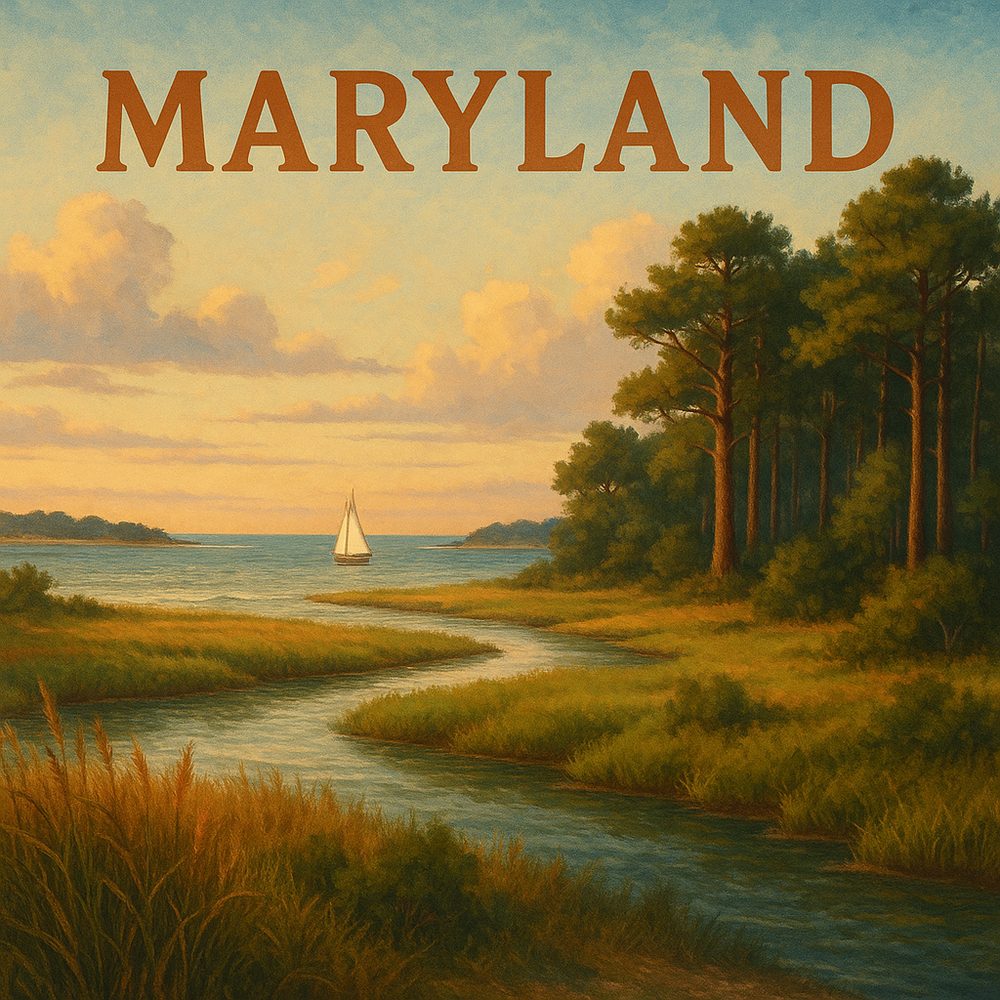
In contrast, southern Maryland reveals a different character shaped by its Chesapeake Bay coastline. About an hour’s drive southeast of Washington, D.C., the Calvert Cliffs State Park near Lusby lets visitors explore more than 24 miles of fossil-rich cliffs along the bay. The park’s 1.5-mile Cliffs Trail leads down to sandy beaches strewn with prehistoric shark teeth and ancient marine fossils, a treasure hunt unique to this region. This geological wonder offers a direct connection to the Earth’s distant past, making it a must-visit for both families and science enthusiasts. Early morning visits in summer provide cool temperatures and the best light for photographing the striking red clay cliffs against the blue water.
Baltimore itself, sitting roughly midway between north and south Maryland, embodies an eclectic urban culture that bridges these two worlds. The historic Fell’s Point neighborhood, about a 15-minute drive southeast of downtown Baltimore, invites visitors to stroll cobblestone streets lined with 18th-century architecture and vibrant waterfront pubs. Here, you can taste Maryland’s famous crab cakes or sip local craft beers while watching boats drift in the harbor. The neighborhood’s maritime heritage, alive in its shipyards and seafood markets, contrasts with the pastoral scenes found further north. Fall evenings bring crisp air and lively festivals along Thames Street, highlighting the area’s community spirit.
Traveling further north, the charming town of Frederick, around 50 miles west of Baltimore, offers a window into Maryland’s Civil War history and burgeoning arts scene. The National Museum of Civil War Medicine provides a fascinating exhibit on battlefield surgery and medical innovations during the conflict, grounding abstract history in tangible artifacts and personal stories. Afterward, Frederick’s downtown brims with galleries, boutique shops, and cafes housed in well-preserved 18th-century brick buildings. This blend of historic narrative and contemporary culture makes Frederick a distinctive stop. The town’s fall foliage season enhances the experience, casting a golden glow on its tree-lined streets.
Down south, St. Mary’s City, roughly 70 miles southeast of Washington, D.C., serves as the site of Maryland’s first colonial settlement and capital. Historic St. Mary’s City offers outdoor living history exhibits where costumed interpreters recreate 17th-century life along the waterfront. Visitors can tour reconstructed homes, a brick chapel, and a working tobacco plantation, gaining insight into the complex early interactions between European settlers and Native Americans. This open-air museum uniquely blends archaeology with reenactment, animating Maryland’s colonial roots. Springtime, when the gardens bloom and the weather is mild, is an ideal season to soak in the vibrant past.
For a taste of the rural northern Maryland lifestyle, the Catoctin Mountain Park near Thurmont, about 50 miles northwest of Baltimore, showcases rugged natural beauty and recreational opportunities. The park’s Chimney Rock Trail, a moderate 1.4-mile hike, rewards visitors with panoramic views overlooking the Catoctin Valley and the rocky outcrop that gives the trail its name. The area’s dense forests and granite formations create a striking contrast to the flat coastal plains found in the south. In autumn, the park’s foliage intensifies, making it particularly popular with photographers and nature lovers seeking vibrant color displays.
Crossing back to southern Maryland, the Patuxent River Naval Air Museum sits near Lexington Park, roughly 60 miles south of Baltimore. This museum highlights the region’s military history and naval aviation heritage, featuring aircraft exhibits, flight simulators, and interactive displays. It offers visitors a chance to understand the significant role the southern counties have played in national defense and aerospace innovation. The museum’s proximity to the Patuxent River Naval Air Station also makes it a hub for real-time aircraft spotting. Visiting during cooler months is preferable, allowing guests to comfortably explore the outdoor aircraft displays.
Finally, Annapolis, Maryland’s capital, lies just south of Baltimore on the Chesapeake Bay, about 30 minutes’ drive from the city. The city’s historic district centers on the Maryland State House, the oldest state capitol still in continuous legislative use. Annapolis’s maritime roots shine through in its bustling City Dock area, where sailboats and seafood restaurants create a lively waterfront vibe. The city’s colonial architecture and waterfront promenades contrast with the more rugged and forested north, while its vibrant boating culture and seafood tradition embody southern Maryland’s bay-centered heritage. Late spring and early fall provide ideal weather for sailing and outdoor dining along the scenic harbor.
These distinct places illustrate how Maryland’s northern and southern regions offer unique landscapes, histories, and cultures. Whether you seek the forested trails and Civil War history of the north or the fossil cliffs and colonial heritage of the south, Maryland’s diversity invites exploration and discovery at every turn.