City vs. Country Life in Michigan: Pros, Cons, and Best of Both Worlds
Just a short drive north of Detroit, the city of Ann Arbor offers a vivid taste of Michigan’s urban charm fused with intellectual energy. About 45 minutes west of Detroit, this college town buzzes with the activity of the University of Michigan, where you can wander through the university’s Museum of Art to see an eclectic collection ranging from ancient artifacts to contemporary pieces. Strolling around the downtown district, you’ll find a lively mix of boutiques, cafes, and restaurants that cater to diverse palates, reflecting an urban lifestyle fueled by culture and education. The Ann Arbor Farmers Market, open year-round but especially vibrant in spring and fall, is a city staple where locals gather for fresh produce and artisanal goods. Here, city life feels dynamic and accessible, with plenty of public transit and walkable neighborhoods that keep the pace brisk yet manageable.
For a contrasting slice of rural Michigan, the scenic Porcupine Mountains Wilderness State Park in the Upper Peninsula is an ideal escape. About two and a half hours northwest of Marquette, this vast wilderness area stretches over 60,000 acres, offering rugged trails and old-growth forests that feel untouched by time. Hiking the Escarpment Trail provides stunning panoramic views of Lake Superior and the surrounding mountains, especially breathtaking in autumn when the foliage explodes in fiery reds and oranges. The park’s waterfalls, such as Copper Falls and Presque Isle, add to the remote, serene atmosphere. Wildlife sightings here can include black bears and bald eagles, making it a haven for nature lovers seeking quietude far from urban bustle. Winter visits reveal a snowy wonderland perfect for snowshoeing and cross-country skiing, emphasizing a slower, more reflective rhythm that defines country life.
Midway between these extremes lies Kalamazoo, a mid-sized city that blends small-town friendliness with cultural amenities. Sitting about two hours west of Detroit, Kalamazoo hosts the Kalamazoo Institute of Arts, a gem showcasing regional artists alongside American and European masters. Its compact downtown encourages exploration by foot or bike, with hidden coffee shops and craft breweries that hint at a steadily growing urban sophistication. Nearby, the Kalamazoo River Valley Trail offers a green corridor for cyclists and joggers, connecting parts of the city to natural settings without leaving town. The city’s annual art and jazz festivals reflect a community spirit that values creativity and connection, offering a taste of the cultural rewards of city living without the overwhelm of a major metropolis.
Venture northeast to the quaint village of Charlevoix, perched on Lake Michigan’s shore about 90 minutes north of Traverse City. This charming town epitomizes small-town country appeal with its historic architecture and waterfront parks. The Castle Farms, a unique event venue designed to resemble a medieval castle, is a local landmark where visitors can enjoy seasonal festivals or simply admire the grand stone walls and gardens. Charlevoix’s access to the lake invites kayaking or paddleboarding in summer, while the nearby Round Lake Nature Preserve offers peaceful trails lined with wildflowers and birdwatching opportunities. The relaxed pace, picturesque streets, and strong sense of community create an inviting atmosphere that typifies rural Michigan life, particularly vibrant during summer when the town fills with vacationers and locals alike.
In Detroit itself, the Eastern Market district offers a quintessential urban experience rooted in food and commerce. Just a few miles northeast of downtown Detroit, this historic market operates year-round and is one of the oldest and largest public markets in the country. On Saturdays, the market buzzes with vendors selling everything from freshly harvested produce to artisanal cheeses and locally raised meats. The surrounding neighborhood has seen a resurgence, with converted warehouses now housing galleries, cafes, and breweries that celebrate Detroit’s gritty creativity. Visiting Eastern Market during the early morning hours lets you watch the market come alive, while evenings bring a different energy with live music and food trucks, making it a vibrant slice of city life where tradition and innovation collide.
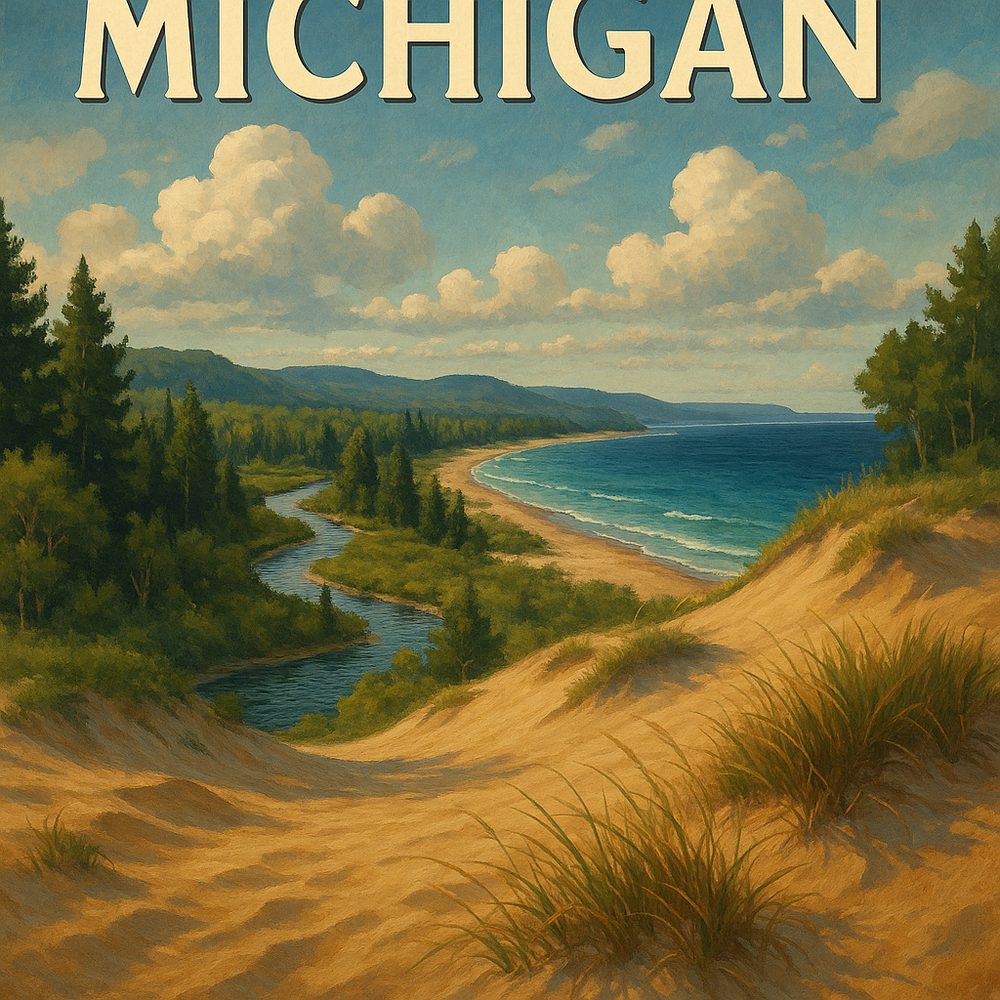
A short drive inland from the shores of Lake Michigan brings you to Sleeping Bear Dunes National Lakeshore, about 45 minutes northwest of Traverse City. This national park is a rural treasure, famous for its towering sand dunes that rise sharply from the lake’s edge, offering both challenging hikes and stunning vistas. Climbing the Dune Climb trail rewards visitors with sweeping views of the crystal-clear waters below and the surrounding forested hills. The Pierce Stocking Scenic Drive winds through the park, providing access to overlooks like Lake Michigan Overlook and Pyramid Point, where photographers and nature enthusiasts gather at sunrise and sunset for spectacular light. The park’s quiet beaches and trails offer peaceful solitude in warmer months, while winter transforms the dunes into a serene, snow-blanketed landscape that attracts cross-country skiers and snowshoers.
The town of Holland, located about 30 minutes west of Grand Rapids, provides a unique blend of urban convenience and small-town charm with its deep Dutch heritage. Visitors can immerse themselves in the town’s cultural identity at the Holland Museum, which showcases artifacts and exhibits about the area’s founders and traditions. Each spring, the city’s Tulip Time Festival transforms Holland into a vibrant patchwork of colorful tulip gardens and parades, drawing visitors from across the Midwest. Windmill Island Gardens, with its authentic Dutch windmill and manicured flower beds, is a standout attraction that beautifully captures the town’s rural roots and agricultural history. Holland’s downtown area has a cozy, walkable feel with local shops and eateries, making it an accessible urban center that still honors its pastoral legacy.
For those who want a bit of both worlds, the area around Grand Rapids offers a compelling mix. About three hours west of Detroit, Grand Rapids boasts a lively downtown with art museums like the Frederik Meijer Gardens & Sculpture Park, where indoor botanical gardens blend with sprawling outdoor sculptures. Just beyond the city limits, the Kent Trails offer miles of paved pathways through wooded parks and along the Grand River, providing an easy escape into nature without leaving urban comforts behind. In fall, the riverfront’s changing leaves create a colorful backdrop for farmers markets and outdoor events. This balance of city amenities and nearby green spaces demonstrates how Michigan’s varied landscape allows residents and visitors alike to enjoy metropolitan vibrancy alongside rural tranquility.
Whether you find yourself drawn to the cultural pulse of Detroit’s neighborhoods or the quiet majesty of the Porcupine Mountains, Michigan’s diverse settings offer experiences shaped by their distinct environments. Each place reveals a facet of what it means to live or visit here—whether it’s the deep community ties of small towns, the creative sparks of urban centers, or the restorative power of wild landscapes. Exploring these varied locales shows that in Michigan, life’s pace and pleasures can be adapted to suit any preference, allowing travelers to find their own perfect blend of city excitement and country calm.