North vs. South Michigan: What’s the Difference?
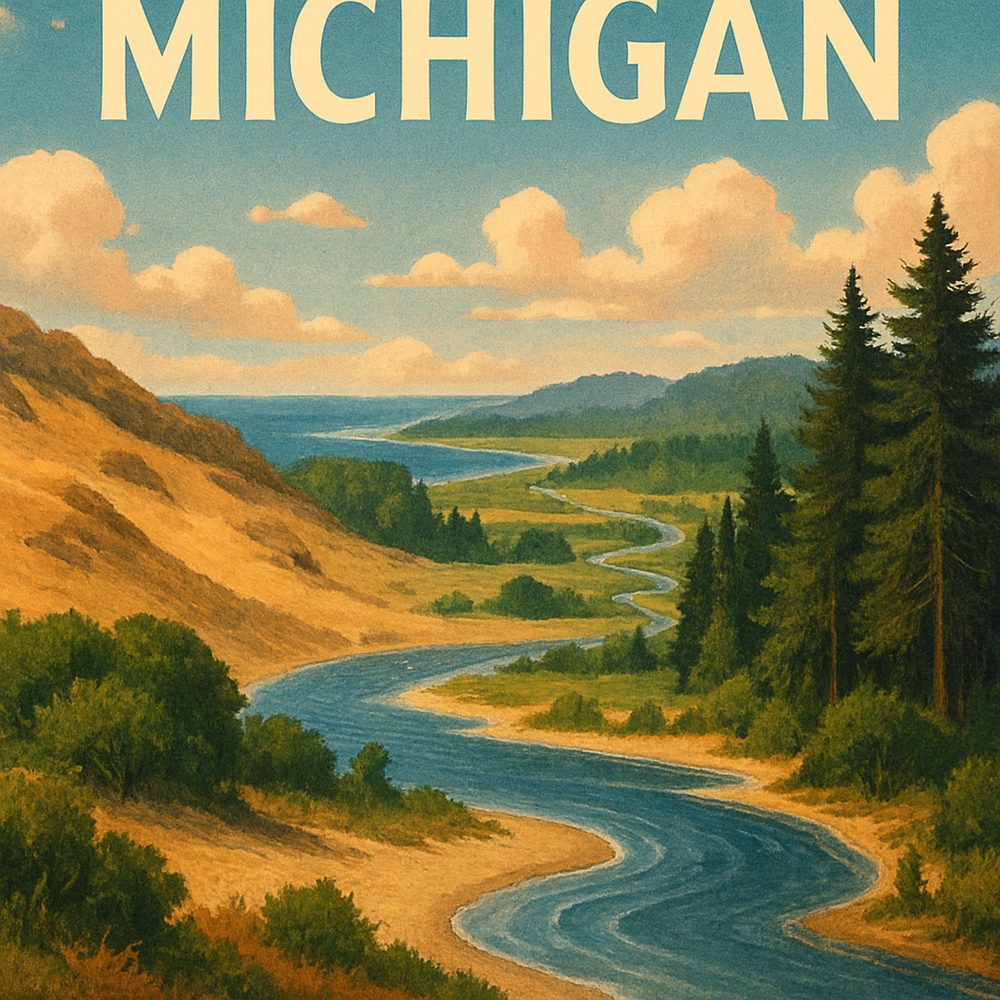
Travelers venturing to the northern reaches of Michigan often find themselves enchanted by the wild beauty of the Porcupine Mountains Wilderness State Park, nestled in the Upper Peninsula near the town of Ontonagon, about a three-hour drive northwest from Marquette. This vast park offers rugged hiking trails like the Escarpment Trail, a rewarding 2.7-mile trek that leads to breathtaking views over Lake Superior and the surrounding forested ridges. The ancient copper mines and old-growth forests lend a sense of timelessness, while the often misty mornings create an ethereal atmosphere unique to this region. Visiting in late summer or early fall reveals vibrant foliage that contrasts dramatically with the deep blue lake, making the Porcupines a standout destination for those seeking untamed wilderness far removed from the bustle of more populated areas.
Downstate, the vibrant city of Ann Arbor, located about 45 minutes west of Detroit, showcases Michigan’s rich cultural pulse through the University of Michigan Museum of Art. Here, visitors can explore an impressive collection spanning ancient artifacts to contemporary works, with notable pieces in Asian art and modern American painting. The museum’s architecture itself is a blend of historic and modern design, reflecting the city’s dynamic intellectual energy. Strolling the nearby Main Street district after the museum visit allows one to soak in the youthful, eclectic vibe that defines much of southern Michigan’s cultural identity. Autumn is especially lively with the university’s football season energizing the town, and crisp afternoons perfect for wandering galleries and cafes.
Heading back north, the town of Charlevoix on Lake Michigan’s northern shore, about two and a half hours northwest of Traverse City, offers a charming glimpse into Michigan’s resort history and natural allure. The Charlevoix South Pier Light Station is a must-see, perched at the entrance to Lake Michigan’s harbor. Walking along the pier provides sweeping views of the lake and the surrounding forests, a peaceful spot where you might catch a sunset that paints the sky in fiery hues. Near the water, the Mushroom Houses—unique stone cottages with whimsical architecture—stand as a local curiosity, blending fairy-tale aesthetics with Midwest craft traditions. Summer and early fall bring festivals and boat tours that enhance the town’s appeal as a laid-back yet culturally rich destination.
In contrast, Detroit’s Eastern Market, just a few minutes from downtown, represents the energetic, urban side of southern Michigan. This century-old market pulses with life, especially on Saturdays when local farmers, artisans, and food vendors fill the massive sheds with fresh produce, meats, and crafts. Sampling Detroit’s famed coney dogs or grabbing a cup of locally roasted coffee immerses visitors in the city’s resilient food culture. Street art murals and live music performances frequently animate the market area, reflecting the city’s ongoing renaissance. The market thrives year-round but takes on a festive atmosphere during the warmer months when open-air stalls spill onto the streets, inviting visitors to linger longer and connect with Detroit’s gritty, creative heart.
Farther north, the Sleeping Bear Dunes National Lakeshore, roughly an hour’s drive west of Traverse City, presents a striking contrast with its towering sand dunes climbing high above Lake Michigan’s shoreline. The Dune Climb trail challenges visitors to scale steep sandy slopes, rewarding exertion with panoramic views from the summit. The park also features scenic drives along Pierce Stocking Scenic Drive, which winds through diverse landscapes from beech forests to glistening overlooks. What makes this place distinct is not just the sheer size of the dunes but the way the landscape constantly reshapes with the wind and water, offering a dynamic outdoor experience. Summer evenings here, especially near Glen Lake, are magical, with fireflies flickering along the shorelines and cool breezes making for perfect camping or picnic outings.
Crossing back south, the historic town of Frankenmuth, about an hour north of Detroit, provides a colorful cultural experience rooted in Bavarian heritage. Known as “Michigan’s Little Bavaria,” the town’s architecture and cuisine transport visitors to a European village setting. Zehnder’s and the Bavarian Inn restaurants serve up authentic chicken dinners and fresh pretzels, allowing travelers to taste the region’s German-American culinary traditions. The town’s Christmas-themed shops and festivals are a major draw year-round, but the summer months also offer lively riverboat tours along the Cass River, combining cultural immersion with outdoor adventure. Frankenmuth’s pedestrian-friendly downtown, with its quaint shops and festive décor, creates a unique atmosphere that contrasts with Michigan’s northern wilderness escapes.
Further south, the Henry Ford Museum of American Innovation in Dearborn, just west of Detroit, captures Michigan’s pivotal role in industrial history. Visitors can walk through restored locomotives, early automobiles, and even the Rosa Parks bus, tracing stories that shaped the nation. The museum’s interactive exhibits offer a hands-on experience of invention and progress, highlighting Detroit’s legacy as the Motor City. Exploring the adjacent Greenfield Village adds a living history component, with working farms and historic buildings setting the scene for understanding early American life. Spring and fall are ideal times to visit when the gardens bloom or autumn colors soften the landscape, enhancing the museum’s blend of technology and history.
Finally, the Keweenaw Peninsula, about a two-hour drive north of Houghton in the Upper Peninsula, stands out for its rugged copper mining heritage and spectacular lakeside scenery. Exploring the Quincy Mine, with its underground tours revealing the industrial grit and ingenuity of the late 19th century, connects visitors to a lost chapter of Michigan’s economy. Nearby, Brockway Mountain Drive offers one of the state’s most celebrated scenic overlooks, with sweeping views over Lake Superior and the surrounding forested hills. The region’s remote location and dramatic seasonal shifts make fall an exceptional time to visit when the foliage ignites, and the crowds thin, allowing a more intimate connection with the landscape’s raw beauty. This corner of Michigan embodies the contrast between human endeavor and nature’s vastness, a theme echoed throughout the northern part of the state.
Together, these destinations illustrate how Michigan’s north and south offer distinct but equally compelling experiences. The north captivates with its wild, expansive natural landscapes and deep historic roots in mining and logging, while the south pulses with urban innovation, cultural fusion, and accessible lakeside towns. Whether tracing the dunes along Lake Michigan or sampling coney dogs in Detroit, visitors find a state of rich contradictions and singular charms that invite exploration and discovery.