North vs. South Minnesota: What’s the Difference?
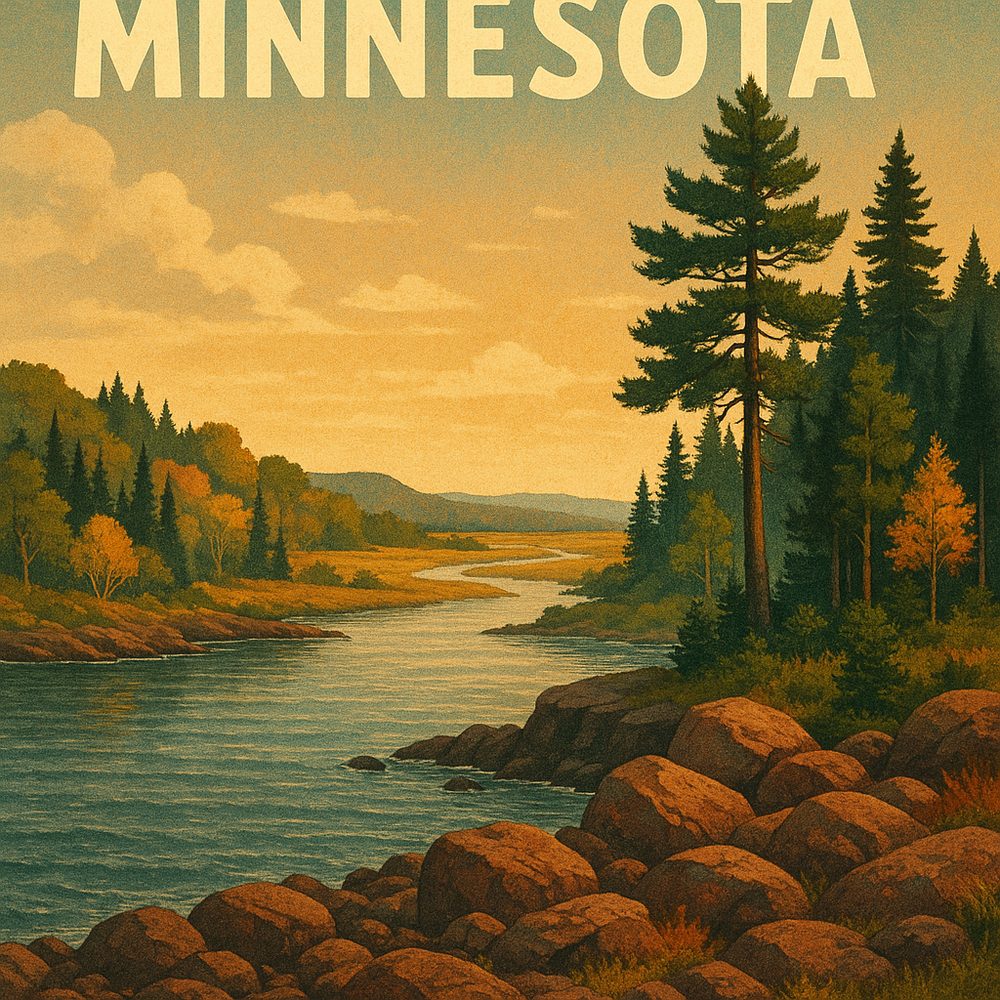
Minnesota’s character shifts as you move from the southern farmlands to the northern wilderness, and no place captures that northern spirit quite like the Boundary Waters Canoe Area Wilderness, located about three hours northeast of Duluth. This vast, rugged expanse of lakes, rivers, and dense forest offers a glimpse of Minnesota’s wild heart. Paddling through its interconnected waterways, visitors navigate routes like the popular Crooked Lake Loop, which is considered moderate and spans roughly 20 miles. The tranquility here, punctuated by the calls of loons and the sight of towering pines reflected in mirror-like water, contrasts sharply with the agricultural patches and urban influences of the south. Summer and early fall bring the best weather for canoe trips, with autumn’s fiery foliage adding a spectacular splash of color that draws photographers and nature lovers alike.
Travel about 45 minutes south of Minneapolis and you’ll enter the historic river town of Red Wing, perched on the Mississippi River bluffs. Red Wing’s downtown district is known for its well-preserved 19th-century architecture and its legacy as the home of the Red Wing Shoe Company. Strolling the streets, visitors can explore the Red Wing Pottery Museum, which showcases distinct ceramic designs unique to the region. This blend of industrial history and small-town charm highlights southern Minnesota’s ties to manufacturing and river commerce, a stark contrast to the remote wilderness up north. The Mississippi River itself offers scenic trails and overlooks, particularly from Barn Bluff, a prominent summit accessible via a one-mile trail that rewards hikers with panoramic views of the river valley. The best time to visit is late spring through early fall when wildflowers bloom and the weather invites outdoor exploration.
In the northern town of Ely, about 2.5 hours north of Duluth, the International Wolf Center provides an immersive experience into the ecology and culture of the northern forests. Visitors can learn about wolf packs native to Minnesota’s north woods through live demonstrations and interpretive exhibits. Ely serves as a gateway to the Boundary Waters and offers a distinct look at how wildlife shapes the identity of northern Minnesota. The center’s educational programs reveal the challenges and triumphs of wolf conservation, a story deeply embedded in the region’s wilderness ethos. Winter is a magical time here, as snowshoeing and cross-country skiing trails open up, casting the area in a serene, snow-blanketed quiet that feels a world away from southern urban bustle.
Down south, the Minnesota Landscape Arboretum near Chaska, about 40 minutes southwest of Minneapolis, presents a different kind of natural beauty. This 1,200-acre garden showcases an impressive collection of native and cultivated plants, including extensive perennial borders and specialty gardens like the Japanese Garden. The Arboretum’s gently rolling terrain is perfect for easy walking, and its diversity offers a softer, more manicured taste of Minnesota’s landscape. This southern gem invites visitors to explore horticultural innovation and seasonal displays that change with the year, making spring and summer the most vibrant times to visit when flowers are at their peak and the air is filled with the hum of pollinators.
The Mesabi Iron Range, stretching across northern Minnesota and roughly two hours north of Duluth, tells an industrial story unlike the farming heritage of the south. The Iron Range Interpretive Center in Chisholm offers exhibits on the mining history that fueled Minnesota’s economy for over a century. Visitors can explore displays of mining equipment and learn about immigrant communities that shaped this rugged northern region. The nearby Giants Ridge Recreation Area offers year-round outdoor activities, including challenging mountain bike trails and ski runs that showcase the terrain’s unique topography. Winters here are long and snowy, making the area a hub for winter sports, while summers reveal lush forests and wildflower meadows that contrast with the industrial past.
In southern Minnesota, the town of Mankato, about an hour and a half southwest of Minneapolis, features Minneopa State Park, where visitors can witness the powerful Minneopa Falls, a double waterfall plunging nearly 40 feet. This park offers a mix of hiking trails alongside the Blue Earth River, with opportunities to see bison grazing in a historic bison herd enclosure. The combination of water features, wildlife, and prairie landscapes exemplifies the southern region’s blend of natural beauty and agricultural heritage. Late spring and early summer are ideal for visiting when the falls are fullest from seasonal rains and wildflowers paint the fields.
Far north, the small city of Grand Marais on the shores of Lake Superior, about three hours northeast of Duluth, beckons with its artsy vibe and stunning lakeshore. The North House Folk School there immerses visitors in traditional northern crafts like woodworking and birch bark canoe building, connecting deeply to the region’s Scandinavian and Ojibwe heritage. Hiking the nearby Superior Hiking Trail offers rugged terrain and breathtaking views of Lake Superior’s rugged cliffs and expansive waters. Fall, when the northern forests blaze with color against the deep blue lake, is an especially striking time to visit, but summer’s mild temperatures also invite extended exploration of the shore and harbor.
Back south, the historic city of Winona sits along the Mississippi River about two hours southeast of Minneapolis, known for its steep bluffs and rich cultural scene. The Minnesota Marine Art Museum here houses a stunning collection of river-themed and American art, allowing visitors to connect with the region’s relationship to water and navigation. Nearby, the Great River Bluffs State Park offers hiking trails with sweeping overlooks of the river valley, a perfect spot to soak in southern Minnesota’s unique topography that contrasts with the flatness often associated with the Midwest. Springtime brings blooming wildflowers and migratory birds that enliven the landscape, making it a photographer’s haven.
Together, these places reveal the tapestry of Minnesota’s northern and southern identities. Northern Minnesota invites adventurers into its wild woods and lakes, shaped by rugged terrain and deep wilderness traditions. Southern Minnesota offers a gentler landscape marked by river towns, farmland, and cultural hubs that reflect a different but equally rich heritage. Whether exploring a northern wolf center or a southern river bluff, travelers can experience the distinct flavors of each region woven through Minnesota’s diverse geography.