North vs. South Missouri: What’s the Difference?
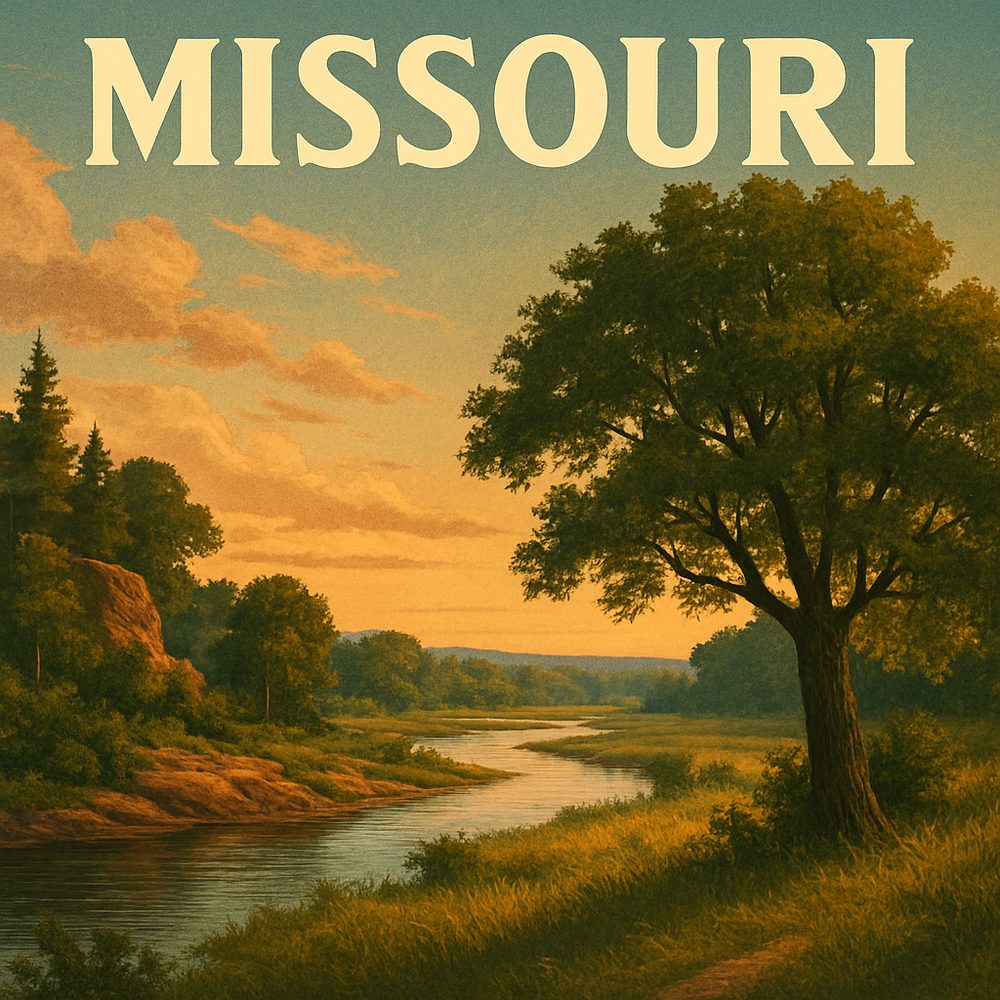
Driving along the Missouri River near St. Charles, just a half hour northwest of St. Louis, you can glimpse the subtle shifts that mark the divide between North and South Missouri. The Katy Trail State Park stretches over 200 miles across the northern half of the state, tracing the route of a former railroad. This trail offers a leisurely way to explore North Missouri’s gently rolling hills and farmland, winding past river bluffs and quaint riverfront towns like Hermann. Cyclists and hikers revel in the mostly flat terrain, which feels serene and open compared to the rugged Ozark hills farther south. Visiting in spring or fall brings mild weather and a canopy of wildflowers or autumn gold, making the landscapes even more enchanting.
Head south about two hours from St. Louis to the Ozark National Scenic Riverways near Van Buren, and the terrain changes dramatically. This national park offers canoeing and hiking along the Current and Jacks Fork Rivers, famous for their clear waters and limestone bluffs. The Ozarks here feel wilder and more rugged than the landscapes to the north. Trails like the Alley Spring Trail feature ancient cedar glades and shaded forest paths that invite exploration. The cooler, flowing rivers contrast sharply with North Missouri’s agriculture-dominated vistas. Fall is a spectacular time to visit, as the forests blaze in color, and the water remains inviting for paddlers.
In Kansas City, located on the western edge of Missouri’s northern region, the Country Club Plaza district highlights the blend of urban culture and historic charm that sets this part of the state apart. The Spanish-inspired architecture here reflects Kansas City’s unique cultural heritage and provides a lively backdrop for shopping and dining. Barbecue enthusiasts often gravitate toward nearby spots like Joe’s Kansas City Bar-B-Que, where you can taste the city’s signature slow-smoked meats. Daylight and early evening visits let you soak in the plaza’s fountains and murals, which come alive under warm sunlight or festive lights.
By contrast, Jefferson City, the state capital situated roughly halfway between Kansas City and St. Louis, offers a window into Missouri’s political and historical heartland that straddles north and south identities. The Missouri State Capitol overlooks the Missouri River and houses impressive murals depicting the state’s complex past. Visitors can take guided tours to appreciate this blend of art, architecture, and history that captures Missouri’s diverse cultural roots. Spring and early summer are ideal here when the capitol grounds bloom and the river views are crisp and clear.
Travel southwest toward Springfield, nestled in the southern Ozarks about three hours from St. Louis, and you encounter a city that serves as a gateway to Missouri’s rugged southern landscapes. The Nathanael Greene/Close Memorial Park offers expansive botanical gardens and walking trails that showcase native Ozark flora—wildflowers, towering sycamores, and dogwoods. This green oasis contrasts with the more open farmland up north, emphasizing the biodiversity and forested hills that define the south. Visiting during the spring bloom or autumn leaf season reveals the park’s full palette of colors.
On the banks of Table Rock Lake near Branson, about 40 minutes south of Springfield, you find a different side of southern Missouri’s outdoor appeal. Table Rock State Park features water-based recreation amid the Ozark Plateau’s forested hills, with activities like fishing, boating, and hiking the Lakeshore Trail, a moderate 2.7-mile loop offering panoramic views of the lake and the distant hills. The park’s proximity to Branson, a hub for live music and entertainment, allows visitors to combine natural beauty with cultural experiences. Late summer evenings, when the water reflects the sunset and cooler breezes arrive, are especially memorable here.
St. Louis’s Soulard neighborhood, just southwest of downtown, provides a taste of the state’s northern urban flavor with a distinctly working-class, historical vibe. Soulard’s French roots and lively blues scene are palpable in venues like the National Blues Museum, where visitors can immerse themselves in the city’s musical legacy shaped by North Missouri’s industrial past and river trade. The neighborhood’s famous Soulard Market bursts with local produce and culinary traditions that reflect a diverse city heritage. Weekend visits, especially during festival seasons, showcase Soulard’s vibrant community spirit.
In contrast, the town of Poplar Bluff, located in the southeastern corner of Missouri near the Arkansas border, embodies a different southern Missouri character. Known for its proximity to the rugged St. Francis River and the nearby Mark Twain National Forest, Poplar Bluff offers access to outdoor adventures steeped in Ozark wilderness. The Mudlick Trail system provides challenging off-road hiking and mountain biking paths through dense forests and rocky ridges. This area’s relative remoteness and abundant wildlife set it apart from the more cultivated northern plains. Late spring and early fall, when the forest floor is alive with wildflowers or colorful leaves, are prime times to explore.
The contrast between North and South Missouri also extends to architectural history, exemplified by the German-influenced town of Hermann, about 90 minutes west of St. Louis along the Missouri River. Hermann’s historic district features well-preserved 19th-century stone buildings and wineries that celebrate the region’s strong German heritage. This cultural enclave offers a distinctly European flavor, especially during the annual Maifest, connecting visitors to the state’s immigrant past. Fall harvest season brings lively festivals and the best time to tour vineyards and taste local wines.
Finally, around Columbia, about two hours west of St. Louis, the University of Missouri campus introduces a Mid-Missouri blend of academic energy and natural beauty. The MKT Trail, a popular recreational path near town, provides a shaded, easy-going route along the remnants of the Missouri-Kansas-Texas railroad. This area acts as a cultural crossroads where northern and southern Missouri influences mingle in food, music, and community events. Springtime here sees the campus and trails blossoming with dogwoods and azaleas, making it a refreshing stop along any statewide journey.
The experience of Missouri reveals itself in layers, and the boundary between north and south isn’t a rigid line but a gradual shifting of landscapes, cultures, and histories. From the wide river plains and urban hubs of the north to the forested hills and small towns of the south, each place offers a unique window into the state’s diverse identity. Exploring these distinct corners of Missouri invites visitors to appreciate how geography shapes life—and how every corner has its own story to tell.