City vs. Country Life in North Dakota: Pros, Cons, and Best of Both Worlds
Just east of the Red River and nestled in the heart of Fargo, the Plains Art Museum offers a vibrant urban cultural experience that contrasts sharply with the state’s vast rural landscapes. About a five-minute drive from downtown Fargo, this museum anchors the city’s creative pulse with its rotating exhibits of contemporary and Native American art. Walking through its bright galleries, visitors encounter works that reflect both local heritage and global influences, making it a hub for city dwellers craving artistic engagement. The museum’s welcoming atmosphere and community events draw crowds year-round, but the crisp fall afternoons are especially inviting when you can pair a visit with a stroll along the nearby Red River Greenway, blending city art with nature’s canvas.
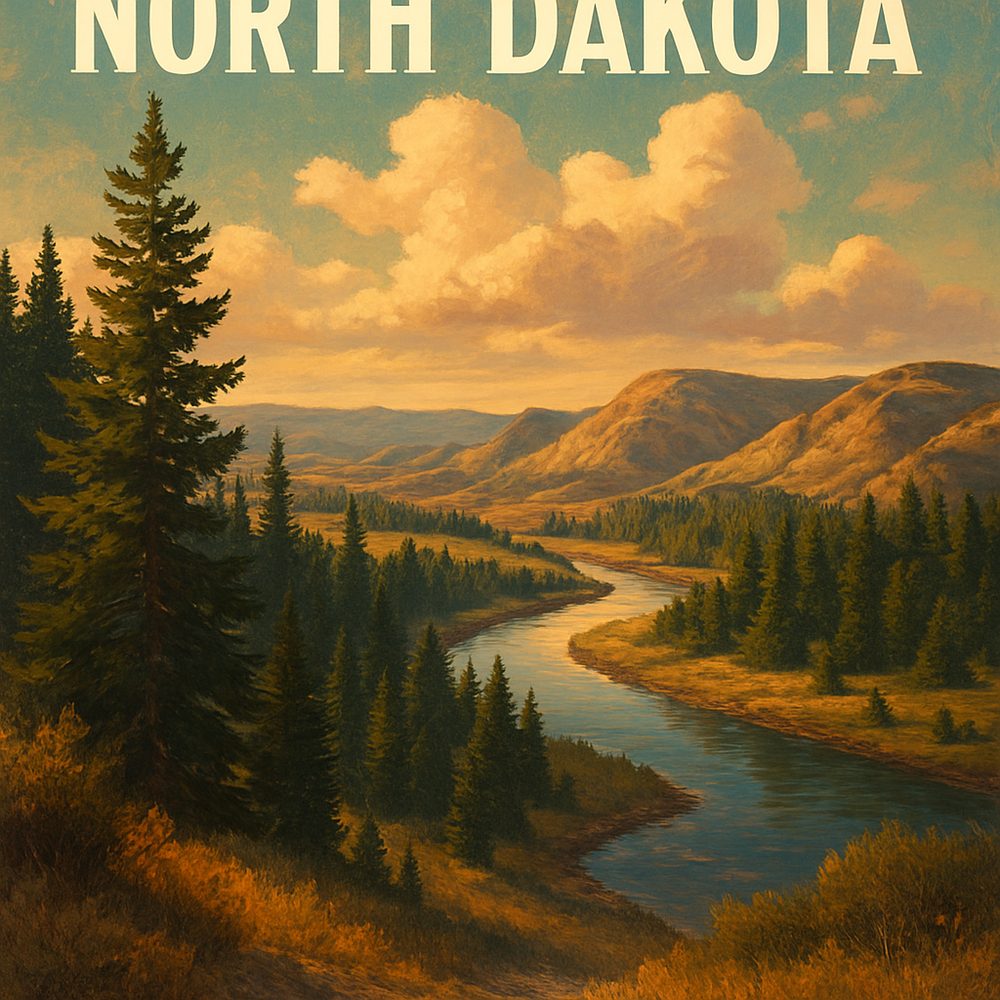
A starkly different North Dakota experience awaits roughly 90 miles west of Fargo at Theodore Roosevelt National Park. Located near Medora, about a three-hour drive west of Fargo, this park immerses visitors in the rugged Badlands landscape that shaped the 26th president’s conservation legacy. The scenic loop drive offers ample pullouts to spot bison, wild horses, and prairie dogs against a backdrop of towering buttes and open prairies. Hiking trails like the Caprock Coulee Trail provide moderate 2.5-mile loops with dramatic views of eroded rock formations and colorful sandstone layers. Early summer mornings here reward visitors with vibrant wildflowers and active wildlife, while winter brings a quiet, snowy stillness that transforms the park into a serene sanctuary far from city life.
In Bismarck, the state capital located roughly 200 miles west of Fargo, the North Dakota Heritage Center & State Museum reveals the rich stories of the state’s past through extensive exhibits. Here, visitors can walk through galleries that showcase everything from Native American artifacts to pioneer-era machinery, all under one roof. Special exhibits highlight the state’s oil boom and agriculture, providing context for the economy that shapes both the city and rural areas. The museum’s spacious grounds and nearby Missouri River offer a pleasant urban oasis, especially lively during summer months when outdoor events and riverwalk activities enliven the capital’s downtown district. It’s a place where the layers of North Dakota’s history come alive for city explorers and those curious about the land’s rural roots.
Just under two hours northwest of Bismarck, the town of Rugby stakes its claim as the geographic center of North America, offering a quaint small-town vibe very different from the state’s urban hubs. Visitors can find the Rugby Geographical Center monument and nearby historic downtown filled with charming shops and cafes. Exploring the area on foot reveals well-preserved early 20th-century architecture and a slower pace of life that feels like stepping back in time. Winter nights here, although cold, offer spectacular stargazing opportunities thanks to the low light pollution, a stark contrast to city skies. This remote location highlights the appeal of rural life with its tight-knit community spirit and connection to the expansive prairie landscape.
Near the town of Devils Lake, about 90 miles northeast of Grand Forks, visitors encounter Devils Lake State Recreation Area, a prime spot for outdoor enthusiasts seeking a blend of water and wilderness. This sprawling park features hiking and biking trails circling the lake’s shores, as well as opportunities for fishing and boating. The Devil’s Lake itself, known for its fluctuating water levels, creates dynamic shoreline habitats attracting diverse bird species, making it a favorite for birdwatchers during spring and fall migrations. The park’s mix of pine forests and prairie bluffs offers a peaceful retreat from urban noise while still being accessible within a two-hour drive of the more populous eastern cities. Summers here are ideal for water sports and camping, while the off-season reveals tranquil vistas and quiet trails.
In the heart of Grand Forks, around 75 miles north of Fargo, the University of North Dakota campus and its surrounding districts provide a blend of collegiate energy and cultural amenities. The Ralph Engelstad Arena, home to UND’s hockey teams, buzzes with excitement during the season and showcases the state’s passion for the sport, a distinctly northern city pastime. Nearby, the North Dakota Museum of Art offers rotating exhibits, often spotlighting regional artists, making it a city cultural gem. The city’s riverfront district along the Red River invites visitors to enjoy urban parks and festivals that celebrate the community’s blend of academic life, arts, and outdoor recreation. Spring and fall bring ideal weather to explore both the vibrant city streets and nearby hiking trails along the river.
About an hour northeast of Bismarck, Fort Abraham Lincoln State Park near Mandan invites visitors to step into the state’s military and Native American history amid riverside scenery. The park preserves the site of the old military post and the On-A-Slant Mandan earthlodges, offering guided tours of reconstructed dwellings that showcase the life of the Mandan people. Hiking the scenic trail to the top of Lookout Point rewards visitors with sweeping views over the Missouri River Valley and the surrounding plains, a vantage that frames the blend of natural and historical significance unique to this site. The park is particularly beautiful in late spring when wildflowers carpet the hillsides and the weather is perfect for outdoor exploration, blending rural heritage with accessible park amenities.
Each of these destinations captures a distinct facet of North Dakota life, from Fargo’s urban culture and artistic energy to the expansive quiet and natural wonder of the Badlands near Medora. The state’s capital and university towns offer urban conveniences and cultural richness, while places like Rugby and Devils Lake invite travelers to slow down and savor the rural rhythms. Whether you’re drawn to bustling museums, historic landmarks, or wide-open prairies, North Dakota’s diverse places illustrate a dynamic balance where city and country life coexist, inviting visitors to experience the best of both worlds.