North vs. South New Hampshire: What’s the Difference?
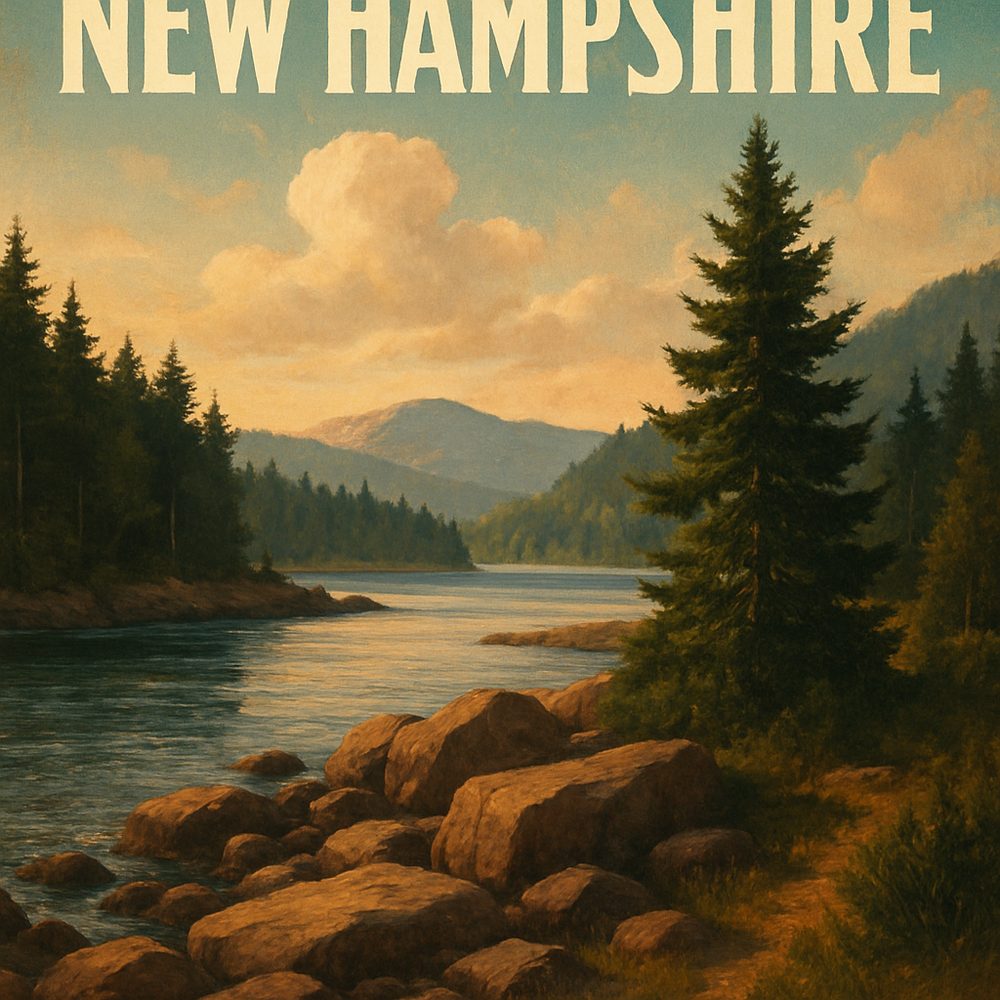
New Hampshire’s landscape is a rich tapestry woven from the rugged, forested mountains of the north to the rolling hills and bustling towns of the south. To understand the contrast between the two regions, start in the White Mountains, about 90 minutes north of Concord. Franconia Notch State Park offers a quintessential northern experience with its dramatic mountain scenery. Hiking the Flume Gorge Trail here, a moderate 2-mile loop, reveals towering granite walls and waterfalls within a glacial gorge. This spot is unique because it combines geological wonder with accessible trails, making it a favorite for families and serious hikers alike. Visiting during fall transforms the park into a fiery palette of crimson and gold, illuminating the rugged terrain and inviting reflection on the wild, untamed spirit of northern New Hampshire.
Traveling south brings you to the expansive Merrimack Valley, where the city of Manchester anchors the region about 20 miles south of Concord. The Currier Museum of Art houses a diverse collection that includes American and European paintings, decorative arts, and architecture, notably the Zimmerman House designed by Frank Lloyd Wright. The museum’s blend of classic and modern art reflects the more urban, culturally rich vibe of southern New Hampshire. Visiting on a crisp winter day allows you to appreciate the warmth and intimacy of the galleries, a contrast to the wide-open, often snowy landscapes up north. It’s a place where history and contemporary culture meet to showcase the evolving identity of the southern region.
Further north, nestled near the Canadian border about 50 miles northeast of Littleton, lies the Great North Woods region and the town of Colebrook. Here, the Connecticut Lakes offer pristine waters and serene paddling routes. Kayaking or canoeing on First Connecticut Lake, the largest and highest of the chain, is a peaceful way to connect with the vast wilderness. This area’s remoteness and abundant wildlife, including moose and bald eagles, make it singularly quiet and wild compared to the busier southern areas. Summer mornings, with mist rising off the water, create a magical atmosphere that highlights the deep natural solitude synonymous with northern New Hampshire.
In contrast, the southern city of Portsmouth, a historic coastal town about an hour southeast of Manchester, pulses with maritime charm and colonial architecture. Strolling through Prescott Park along the Piscataqua River reveals beautifully maintained gardens and seasonal outdoor performances, offering a lively, community-centered experience. The waterfront’s blend of old shipyards turned into cafés and shops sets it apart from inland towns. Springtime here bursts with blooming flowers and the smell of salt air, making it an ideal season to enjoy the blend of culture and nature distinctive to the southern seacoast.
Head back north to the rugged peaks surrounding Mount Washington, roughly two hours north of Concord, where the Mount Washington Observatory stands atop the tallest summit in the Northeast at 6,288 feet. Visitors can drive or hike up the Auto Road or the challenging Tuckerman Ravine Trail, famous among serious climbers for its steep ice climbs in winter. The observatory’s weather exhibits offer a tangible connection to the mountain’s notorious storms and extremes. This site epitomizes the adventurous spirit and raw power of northern New Hampshire’s wilderness, best appreciated in clear weather when panoramic views stretch for miles across the rugged landscape.
Down south, the Monadnock Region centers around Mount Monadnock itself, about 40 minutes west of Keene. This mountain draws thousands of hikers year-round due to its accessible yet rewarding summit trails, especially the White Dot Trail, a popular 3.2-mile ascent. Its prominence amidst a largely forested area offers sweeping views across southern New England and into Vermont and Massachusetts. The approachable terrain and proximity to charming small towns give this area a distinctly friendly and communal vibe compared to the solitude of the northern ranges. Early autumn is the prime time to visit, when the cooler air and vibrant foliage create a perfect hiking experience.
North of the capital near Concord, the small town of Plymouth offers a gateway to the Lakes Region, about 50 miles northwest of Boston. Here, the scenic Squam Lake is famous as the filming location of the movie “On Golden Pond.” Boat tours provide a calm way to explore its clear waters and surrounding wooded hills. This area blends the tranquility of northern lakes with an accessible cultural connection, thanks to Plymouth State University’s art galleries and local craft shops. Summer evenings on Squam Lake, with fireflies dancing above the water, capture a peaceful essence that differentiates the north-central part of the state from its more bustling southern neighbors.
Meanwhile, the southern city of Nashua, located just 40 miles northwest of Boston, reflects New Hampshire’s suburban and economic hub with a lively downtown and diverse dining scene. The Millyard Museum tells the story of the city’s industrial past, focusing on the textile mills that once powered the local economy. This museum, nestled along the Nashua River, highlights a more urban and industrial heritage distinct from the timber and outdoor-focused northern communities. Visiting during the vibrant summer festival season provides a chance to experience the area’s lively spirit and community pride.
Together, these places paint a vivid picture of New Hampshire’s dual personalities: the north, with its vast wilderness, rugged peaks, and quiet lakes, offers a raw, natural escape; the south, with its historic towns, cultural institutions, and coastal charm, invites visitors into a richer, more sociable landscape. Each region’s unique offerings are best experienced through its distinctive settings and seasons, making New Hampshire a state of contrasts that rewards exploration from every angle.