North vs. South New Jersey: What’s the Difference?
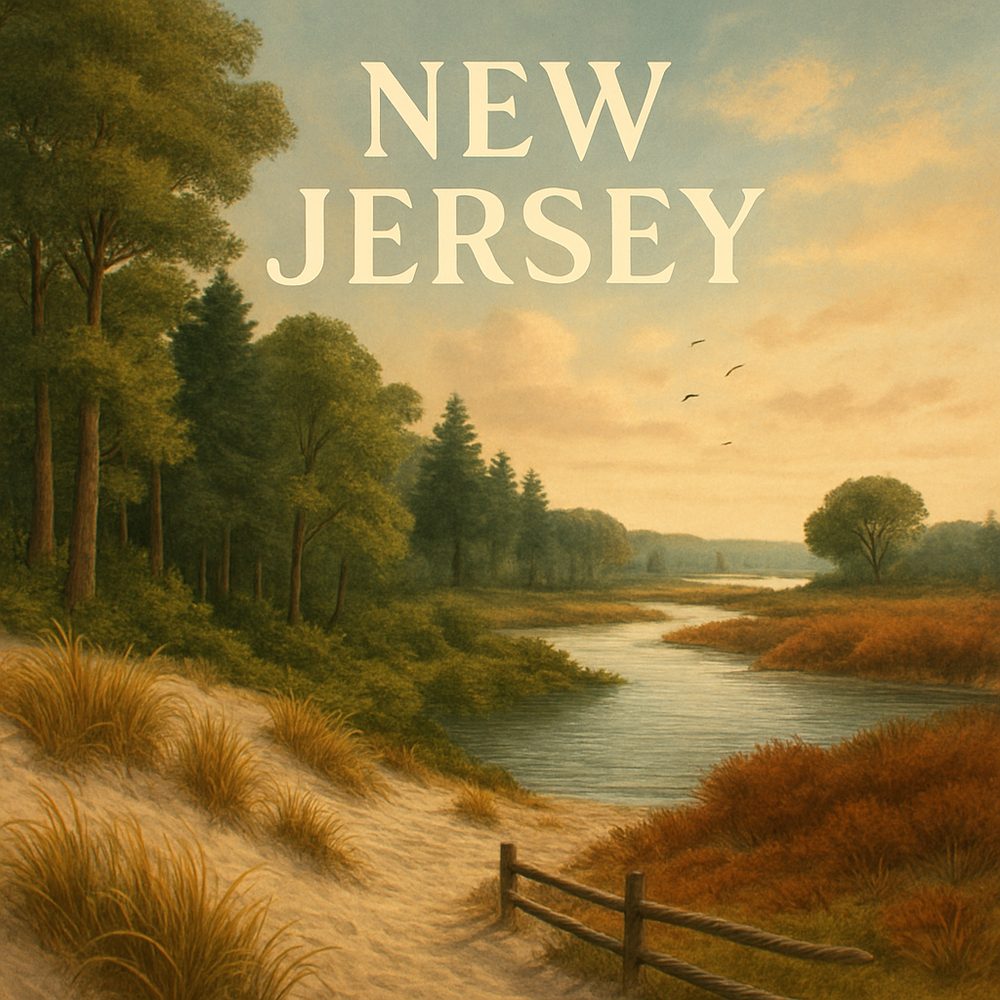
Nestled less than an hour west of New York City, the Palisades Interstate Park offers a striking introduction to Northern New Jersey’s rugged natural beauty. Along the Hudson River cliffs in Bergen and Rockland counties, this park features the iconic Giant Stairs trail, a challenging 2-mile hike with steep rock scrambles leading to breathtaking overlooks of Manhattan’s skyline. The park’s dramatic geology and densely wooded trails feel a world apart from the bustling city nearby, providing a scenic escape that highlights the North’s close relationship with the urban Northeast. Spring and fall are especially captivating here, when vibrant foliage colors contrast sharply with the sheer cliffs and river below.
Traveling about 45 minutes south of Philadelphia, the Pine Barrens present a vastly different landscape emblematic of Southern New Jersey’s unique charm. The Wharton State Forest, the largest state forest in New Jersey, offers an expansive wilderness experience with over 100 miles of trails. Exploring the Batona Trail, a 50-mile path named for the “Pine Barrens” origin, hikers pass through pine forests, cedar swamps, and historic villages like Batsto. This area’s sandy soil and unusual ecology support rare plant species and a hauntingly quiet solitude, setting it apart from the North’s more urban-adjacent parks. Early morning is the ideal time to catch the soft light filtering through pine needles and to hear the calls of native birds undisturbed.
In the cultural heart of the North, the vibrant city of Newark, just 10 miles west of Manhattan, reveals a deep historical and artistic legacy. The Newark Museum of Art showcases an impressive collection including American art, Tibetan galleries, and one of the largest holdings of decorative arts in the country. Its innovative use of space and community programs reflect the city’s diverse population and ongoing revitalization. A visit to the museum, combined with a stroll through the nearby Ironbound District—famous for its Portuguese and Spanish cuisine—offers a distinct blend of urban energy and cultural fusion unique to this part of New Jersey. Evenings here buzz with life, especially during festival seasons.
Descending to South Jersey’s Atlantic coast, Cape May stands out as a charming Victorian-era resort town about two hours south of Philadelphia. Known for its pastel-colored bed-and-breakfasts and well-preserved architecture, Cape May invites visitors to wander its historic streets or relax on its pristine beaches. The Cape May Point State Park offers a peaceful place to explore, with trails winding through dunes and salt marshes and a chance to climb the iconic Cape May Lighthouse. This area is a prime spot for birdwatching during migratory seasons in spring and fall, making it a sanctuary for naturalists and history buffs alike who appreciate a slower pace and coastal charm.
Closer to New York but still in the South’s cultural sphere, Camden sits directly across the Delaware River from Philadelphia and hosts the Adventure Aquarium. This family-friendly destination features a thrilling shark tunnel and exhibits on local marine life native to the Delaware Bay. The aquarium’s urban setting contrasts with the more rural experiences found elsewhere in the south but reflects the region’s industrial and maritime heritage. Visiting on a crisp winter day or a humid summer afternoon, the indoor exhibits provide an engaging escape from the weather while connecting visitors to New Jersey’s connection with waterways and commerce.
Northern New Jersey’s Liberty State Park in Jersey City, just minutes from Manhattan, offers a green oasis with sweeping views of the Statue of Liberty and Ellis Island. Visitors can stroll or bike along its waterfront promenade or visit the Liberty Science Center, where engaging interactive exhibits invite families and curious minds to explore science and technology. The park’s location at the confluence of urban and natural settings underscores the North’s blend of history, innovation, and accessibility. Sunset here is magical, as the city skyline lights up and the iconic symbols of immigration and freedom come alive against a colorful sky.
Further inland in the South, the historic town of Princeton, about an hour southwest of New York City, showcases a blend of academic prestige and colonial charm. The Princeton University Art Museum, with its diverse collection spanning ancient to contemporary art, offers a contemplative experience that complements visits to the lush campus grounds. Nearby, the Delaware and Raritan Canal State Park invites walkers and cyclists to explore a scenic towpath once used for transporting goods. This peaceful corridor through Central Jersey illustrates how the South’s quieter towns preserve layers of history alongside natural beauty, appealing to those who appreciate small-town elegance with cultural depth.
Through these distinctive places, travelers get a vivid sense of how Northern and Southern New Jersey differ and complement each other. The North pulses with urban-adjacent parks, historic museums, and multicultural neighborhoods rooted near New York’s influence. The South charms with vast forests, coastal resorts, and quiet towns that reflect its connection to Philadelphia and the Atlantic Ocean. Together, these regions form a rich tapestry of landscapes and lifestyles, encouraging visitors to explore beyond the stereotypes and discover the state’s surprising diversity firsthand.