City vs. Country Life in New Mexico: Pros, Cons, and Best of Both Worlds
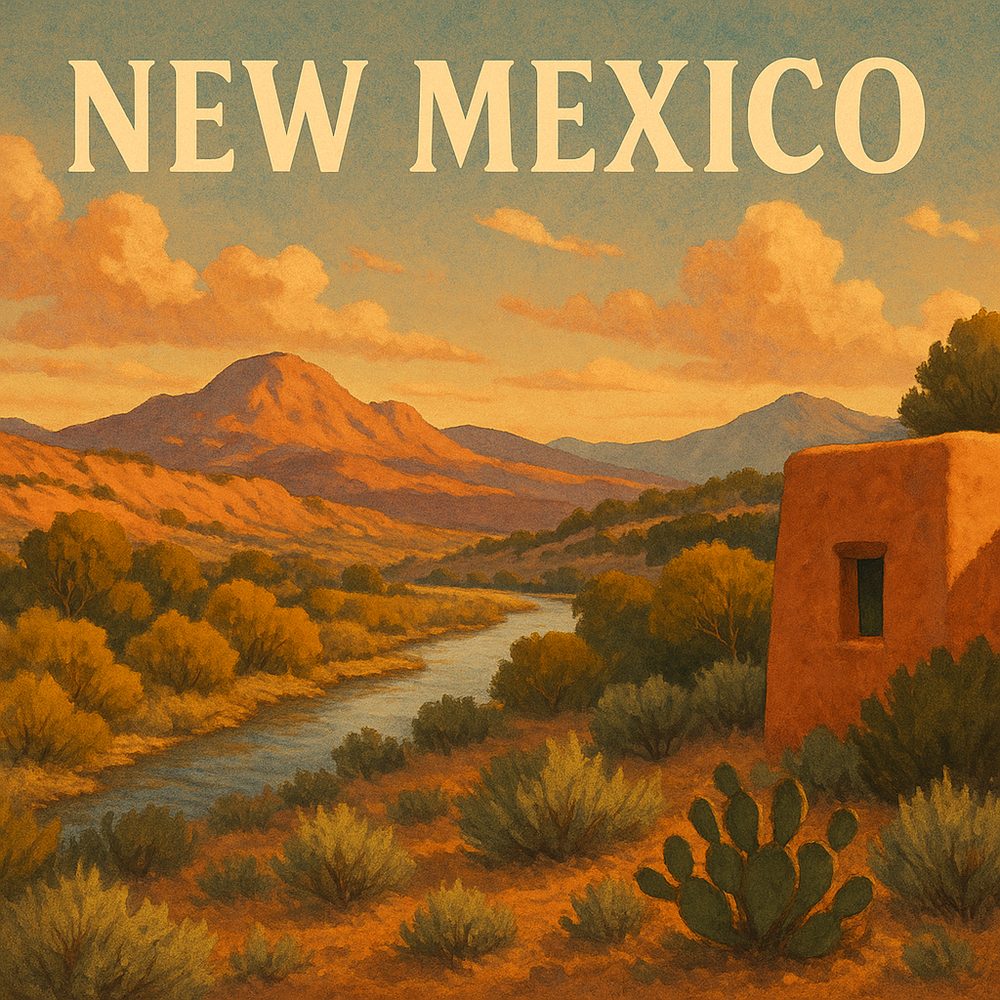
Santa Fe, the state capital perched high in the Sangre de Cristo foothills, offers a quintessential urban experience wrapped in centuries of art and culture. Just about an hour north of Albuquerque, Santa Fe’s Plaza serves as the beating heart of city life, where adobe architecture houses galleries featuring Pueblo pottery and contemporary Southwestern art. Strolling through the Railyard District reveals a lively mix of farmers markets, craft breweries, and performance spaces. The city’s compact size makes it easy to soak up its rich blend of Native American, Spanish, and Anglo influences without sacrificing the conveniences of urban living. Fall and spring bring the most comfortable weather to wander the bustling streets, while winter invites cozy evenings in adobe inns warmed by kiva fireplaces.
A few miles south of Santa Fe, the scenic Turquoise Trail National Scenic Byway offers a bridge between city vibrancy and rural charm. This 54-mile route winds through small mining towns like Madrid, known for its eclectic shops and art galleries housed in historic storefronts. Visitors can hike the short but steep Ortiz Mountain Trail, which rewards with panoramic views of the surrounding Jemez Mountains and Albuquerque’s distant skyline. The area’s unique blend of rugged desert landscapes and creative enclaves captures the best of New Mexico’s countryside spirit close to urban hubs. Spring wildflowers and autumn foliage make this drive particularly stunning and emphasize the seasonal shifts of rural life.
Albuquerque itself, the largest city in the state, embodies a dynamic urban environment infused with Southwestern character. The Old Town district, about 10 minutes from the city center by car, features adobe buildings dating back to the 1700s and a charming plaza lined with shops selling turquoise jewelry and traditional crafts. Nearby, the Rio Grande Nature Center State Park provides a nature escape within city limits, where visitors can explore over five miles of trails along the river and observe migratory birds. Albuquerque’s blend of city amenities and outdoor access offers a unique urban-rural hybrid, especially vibrant during the autumn Albuquerque International Balloon Fiesta, when hundreds of hot air balloons color the sky.
Heading into New Mexico’s vast countryside, the Gila National Forest located about three hours southwest of Albuquerque presents a stark contrast to urban life. This rugged expanse is home to the Gila Cliff Dwellings National Monument, where visitors can climb into ancient Mogollon homes nestled in a limestone cave. Hiking the Cliff Dwellings Trail is moderately challenging but richly rewarding, traversing about 1.5 miles through pine forests and rocky terrain. The forest’s remoteness and rich archaeological heritage offer a deep sense of history and wilderness rarely felt within city limits. Spring and fall provide the most pleasant weather to explore, avoiding summer’s heat and winter snows at this elevation.
In the northeastern plains near Raton, the Capulin Volcano National Monument stands as a dramatic volcanic cinder cone rising above the surrounding grasslands. About two hours northeast of Santa Fe, visitors can drive to the rim and then hike the Crater Rim Trail, a one-mile loop offering sweeping views of four states on clear days. The stark volcanic landscape provides a striking contrast to the urban sprawl of New Mexico’s larger cities, highlighting the state’s geological diversity. Sunrise or sunset hikes here reveal glowing colors that underscore the quiet, rural solitude of this part of the state.
For those seeking a blend of town charm and access to nature, Taos fits the bill brilliantly. Situated about 70 miles north of Santa Fe, Taos boasts a vibrant arts scene centered around the historic Taos Plaza and the Taos Pueblo, a UNESCO World Heritage Site inhabited for over a thousand years. The nearby Rio Grande Gorge Bridge offers dramatic views of the canyon carved by the river, and adventurous visitors can hike the challenging trails along the gorge rim. Taos’s blend of cultural heritage, artistic vitality, and outdoor adventure provide a countryside lifestyle with a sophisticated edge. Summer through early fall is ideal for hiking and exploring the pueblo, while winter invites skiing enthusiasts to Taos Ski Valley nearby.
In contrast to the high desert and mountains, Carlsbad Caverns National Park in southeastern New Mexico offers an underground wilderness about three hours southeast of Albuquerque. Visitors descend into vast limestone caves through the natural entrance or an elevator, marveling at massive formations on self-guided trails like the Big Room Loop, which stretches over 4.5 miles. This subterranean world reveals a different kind of rural splendor, far removed from city bustle, where silence and cool air envelop visitors. The bats emerging around dusk from the caverns in summer create one of the state’s most mesmerizing natural spectacles. Spring and early summer are best for this experience, as bat activity peaks and daytime temperatures remain comfortable.
For a taste of small-town rural life with a rich cultural backdrop, the village of Chimayó lies about 30 miles north of Santa Fe. Known for El Santuario de Chimayó, a pilgrimage church famed for its healing dirt, Chimayó also hosts traditional weaving shops and local markets that preserve centuries-old Hispano and Native traditions. The surrounding fertile valley invites visitors to stroll the Paseo de Chimayó trail, a short loop highlighting acequias (irrigation ditches) and farmland. This village exemplifies the slower pace, strong community ties, and cultural depth that define rural New Mexico, especially under the mild skies of late spring or early fall when agricultural life is most visible.
Each of these places paints a different stroke in New Mexico’s portrait of city and country life. Whether it’s the art and history steeped into Santa Fe’s adobe streets or the silence and vastness of the Gila Wilderness, visitors encounter a state where urban and rural rhythms coexist and enrich one another. Moving between buzzing plazas and quiet trails offers a journey through the diverse landscapes and lifestyles that make New Mexico uniquely inviting. Exploring these locales across seasons reveals how the state’s natural beauty and cultural heritage shape everyday experiences, whether in vibrant cities or tranquil country settings.