North vs. South New Mexico: What’s the Difference?
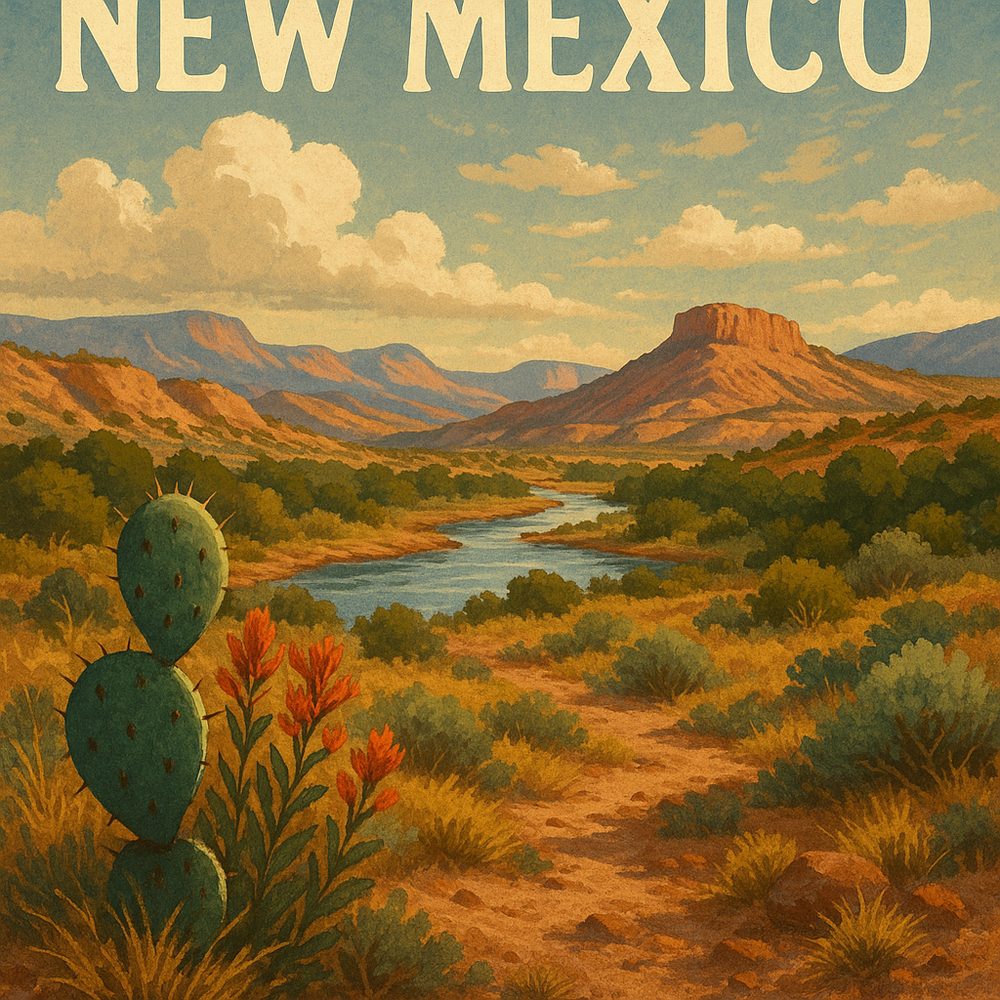
Northern New Mexico’s landscape is defined by the rugged Sangre de Cristo Mountains, and nowhere is this more apparent than at Taos Ski Valley, about an hour’s drive north of the town of Taos. While it’s known primarily as a winter destination for skiing and snowboarding, the valley transforms in warmer months into a hiker’s paradise. Trails like the Williams Lake Trail offer moderate climbs to a sparkling alpine lake at over 11,000 feet, surrounded by jagged peaks. What sets this area apart is the blend of alpine wilderness and deep Native American cultural roots; the nearby Taos Pueblo, a UNESCO World Heritage site, showcases adobe homes continuously inhabited for over a millennium. Visiting in late summer reveals wildflower blooms and vibrant cultural festivals, making the north both a nature and heritage treasure.
Just south of Santa Fe, the historic town of Madrid offers a contrasting vibe that bridges North and South New Mexico. Located about 30 minutes south by car, this former coal mining town has reinvented itself as an arts colony with galleries, quirky shops, and lively music venues. You can stroll through the Madrid Old Coal Town Museum to glimpse the mining history that shaped much of northern New Mexico’s development. The town’s elevation and position along the Turquoise Trail Scenic Byway provide stunning views of the Sandia Mountains to the south, blending northern high desert with southern influences. Visiting in spring or fall rewards travelers with mild weather and vibrant community events, including folk art festivals that highlight the region’s mixed cultural heritage.
In the heart of northern New Mexico near the city of Española, the Valles Caldera National Preserve offers a dramatic volcanic landscape nearly 13 miles across. About an hour’s drive northwest from Santa Fe, it’s a place to explore volcanic calderas, elk herds, and meadows. The Valle Grande Trail is a moderate 5-mile hike that takes visitors through lush grasslands and offers deer and bird watching opportunities uncommon elsewhere in the state. This preserve contrasts with southern New Mexico’s desert plains by showcasing a cool, green ecosystem shaped by volcanic forces. Early summer is the best time to visit, when wildflowers carpet the meadows and wildlife is most active.
Far to the south, near Las Cruces, the Organ Mountains-Desert Peaks National Monument presents an entirely different New Mexico aesthetic. About 20 minutes east of Las Cruces, the Organ Mountains tower sharply above the Chihuahuan Desert, with dramatic, needle-like spires visible for miles. The Baylor Pass Trail is a favorite moderate hike, winding through pine forests and offering panoramic views of the desert floor below. Unlike northern New Mexico’s alpine environment, this area combines rugged desert landscapes with dramatic rock formations, hosting species adapted to arid life. Sunrise and sunset here are spectacular, when light casts warm glows and long shadows on the rocky peaks, highlighting this southern region’s stark beauty.
The cultural capital of southern New Mexico, Mesilla, sits just outside Las Cruces and offers a rich window into the state’s colonial past. This historic town’s plaza is lined with adobe buildings, and the Basilica of San Albino stands as a testament to the town’s 19th-century Mexican-American heritage. Walking the plaza feels like stepping back in time, with shops and restaurants serving New Mexican cuisine rich with chile and native ingredients. Mesilla’s location near the Rio Grande allows visitors to connect with the agricultural traditions more prevalent in southern New Mexico. Fall is an excellent time to visit, when mild weather invites outdoor dining and local festivals celebrate the region’s vibrant culture.
Returning north, the Rio Grande Gorge Bridge near Taos offers a breathtaking glimpse into northern New Mexico’s dramatic geology. Spanning the Rio Grande canyon about 15 minutes west of Taos, the bridge stands over 600 feet above the river, making it one of the highest bridges in the United States. Walking across the bridge provides photographers and hikers a thrilling vantage point. Nearby, the Wild Rivers Recreation Area features trails like the Rim Trail, which skirts the edge of the gorge for sweeping views. The deep canyon and mountain backdrop reflect the wild and untamed spirit of northern New Mexico. Clear, dry fall days are ideal for capturing the sharp contrasts of light and shadow here.
In southern New Mexico, White Sands National Park near Alamogordo offers a surreal landscape found nowhere else in the state. About a 45-minute drive from Alamogordo, the park is famous for its vast dunes of gypsum sand that gleam bright white under the sun. Visitors can hike the Dune Life Nature Trail to learn about plants and animals adapted to this unique environment or simply sled down the dunes for a playful experience. This stark desert scene contrasts with the lush mountain valleys of the north, embodying the arid character of New Mexico’s southern reaches. Early morning or late afternoon visits reveal the dunes’ soft contours under changing light, making those times especially magical.
Finally, the Georgia O’Keeffe Museum in Santa Fe anchors northern New Mexico’s art scene and offers insight into how the region has inspired generations of artists. Santa Fe is about an hour south of Taos, and the museum highlights O’Keeffe’s iconic paintings of the northern landscape—from the rugged cliffs to the colorful adobe structures. Walking through the galleries, visitors can understand how northern New Mexico’s light and terrain shaped her work, a sharp contrast to the desert scenes farther south. The museum’s downtown location invites exploration of Santa Fe’s historic plaza and nearby art markets. Winter’s clear skies and crisp air often bring out vibrant colors in the landscape that echo O’Keeffe’s palette, making it a perfect time for art lovers.
Together, these places reveal how New Mexico’s north and south offer travelers two distinct experiences: the north’s mountainous, forested landscapes rich in indigenous and colonial history versus the south’s dramatic desert vistas and deep Hispanic influences. Whether you’re drawn to alpine lakes or gypsum dunes, historic adobe plazas or volcanic calderas, the state’s diversity invites exploration across its varied terrains and cultures.