North vs. South Nevada: What’s the Difference?
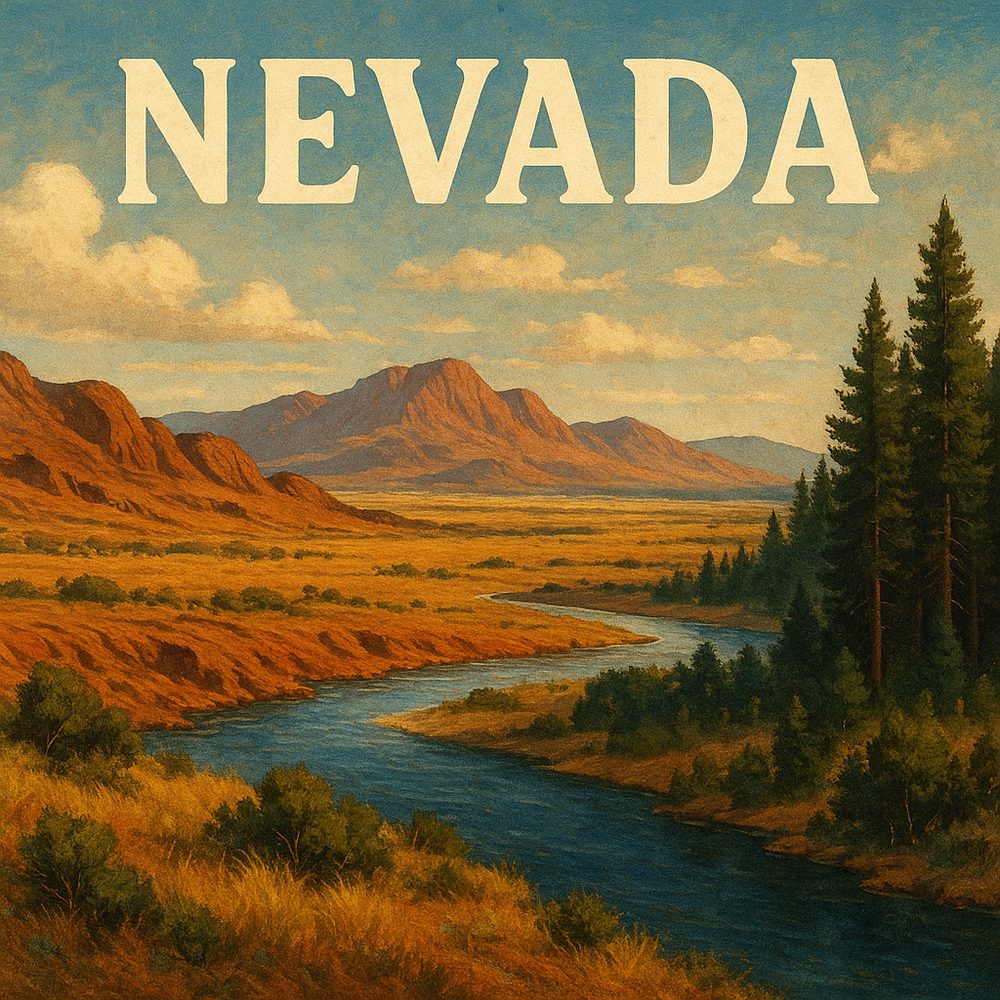
Travelers who explore Nevada quickly notice a striking contrast between north and south, both in landscape and vibe. About an hour north of Reno, the historic mining town of Virginia City offers a window into Nevada’s rugged past. This well-preserved boomtown reveals the state’s silver rush legacy through its wooden boardwalks, Old West saloons, and the famed Comstock Lode mines. Walking the steep, dusty streets or hopping aboard the Virginia & Truckee Railroad, visitors grasp the gritty, frontier spirit that shaped northern Nevada. The cooler mountain air and seasonal foliage give the town a distinct alpine charm, best enjoyed in spring and fall when warmth and crowds balance just right.
Farther north, just east of Reno, the serene expanse of the Black Rock Desert invites a completely different experience. Known internationally as the site of the annual Burning Man festival, this vast playa stretches over 100 miles long. Outside festival season, it’s a surreal place for solitude and stargazing. Visitors can hike or drive out to the Fly Geyser, a vibrant geothermal wonder with neon-hued mineral deposits, about 2.5 hours northeast of Reno. The otherworldly landscape, with its flat salt crust and distant mountain ranges, embodies northern Nevada’s expansive, untamed wilderness, best appreciated at sunrise or under a moonlit sky.
Heading south, Las Vegas, approximately 30 miles from the Nevada-California border, pulsates with energy and glittering spectacle. The Strip is more than neon lights; it’s a sprawling entertainment complex featuring world-class shows, themed resorts, and high-end dining. For a quieter yet iconic southern experience, Red Rock Canyon National Conservation Area lies just 20 minutes west of the city. The 13-mile scenic drive winds through vibrant red sandstone formations, with multiple hiking trails like the moderate Calico Tanks Trail that offers stunning views of Las Vegas and the surrounding desert. Visiting in the cooler months or early mornings reveals the desert’s impressive flora and fauna, contrasting with the urban buzz nearby.
In contrast to the urban glamour of Las Vegas, the small town of Ely in eastern Nevada reflects the state’s deep mining roots and open landscapes. Located roughly 150 miles northeast of Las Vegas, Ely is near Great Basin National Park, home to the ancient bristlecone pines and the remarkable Lehman Caves. The caves feature intricate limestone formations and guided tours that uncover Nevada’s geological history beneath the surface. Great Basin’s mountain trails, such as the moderate 4.6-mile Bristlecone Pine Trail, climb through forests of the oldest living trees on Earth. The park’s high elevation and pristine night skies make it a prime spot for stargazing, especially in late summer when the Milky Way arches vividly overhead.
Closer to southern Nevada’s border with Arizona, the town of Laughlin presents a laid-back riverside charm alongside the Colorado River. About 90 miles south of Las Vegas, Laughlin offers river cruises, casinos, and easy access to the nearby Mojave Desert’s rugged terrain. Visitors can explore the nearby Spirit Mountain Wilderness, where ancient petroglyphs testify to the region’s native heritage. The desert’s stark beauty contrasts with Laughlin’s watery edge, and the area’s mild winters attract outdoor lovers who enjoy boating or desert hiking during cooler months.
Back near the heart of northern Nevada, the city of Carson City stands roughly 30 miles south of Reno and serves as the state capital. Its historic district is rich with preserved 19th-century buildings and museums like the Nevada State Museum, which offers exhibits on local history, mining, and Native American culture. The nearby Lake Tahoe, just a 45-minute drive west, provides a year-round playground of alpine scenery, skiing, and water sports. Carson City’s blend of government, history, and access to mountain recreation captures northern Nevada’s balance of culture and nature.
In southern Nevada, the Valley of Fire State Park, about an hour northeast of Las Vegas, showcases a dazzling array of red sandstone formations sculpted by wind and water over millions of years. The park’s Fire Wave trail, a moderate 1.5-mile hike, leads visitors past swirling rock patterns that seem almost otherworldly. The petroglyphs at Atlatl Rock connect visitors to ancient Native American cultures, making this park both a natural and historical wonder. Valley of Fire’s brilliant colors and stark desert landscapes glow most vividly in the low light of early morning or late afternoon, especially during cooler months.
Through these contrasting places, visitors get a real sense of how Nevada’s north and south differ yet complement each other. From the historic mountain towns and vast desert playas of the north to the bustling entertainment hubs and dramatic southwestern deserts of the south, the state offers distinct experiences rooted in its geography and heritage. Each region invites exploration, whether seeking solitude amid ancient trees and caves or vibrant nights along neon-lit boulevards and fiery red canyons. Nevada’s dual character is best appreciated by engaging directly with these places, where history, nature, and culture meet in unforgettable ways.