North vs. South New York: What’s the Difference?
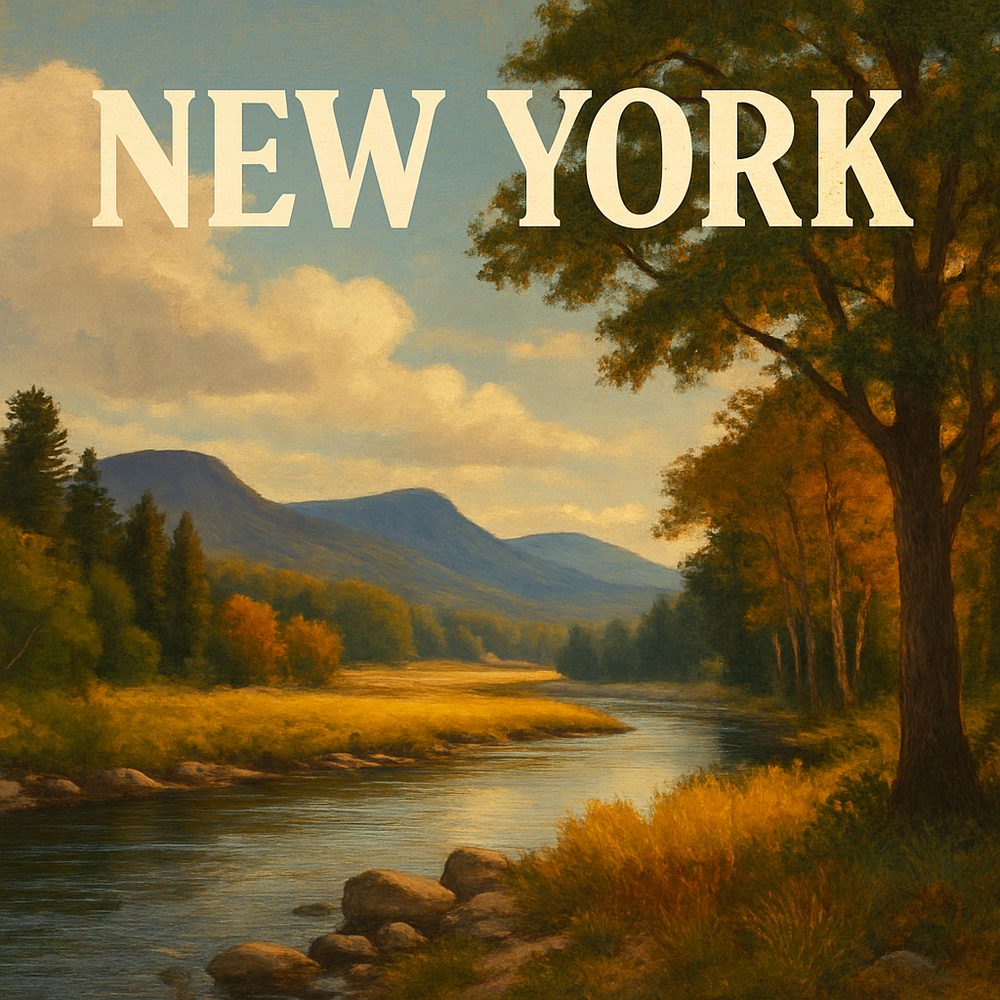
In the bustling heart of New York City, the South’s identity pulses with an unmistakable urban rhythm. Just a quick subway ride from Midtown Manhattan, the South Street Seaport district offers a waterfront glimpse into the city’s maritime past. Here, cobblestone streets meet the East River’s edge, where historic ships like the Wavertree—an iron-hulled sailing vessel dating back to 1885—rest. Walking along Pier 17, visitors can absorb the interplay between new glass towers and preserved 19th-century warehouses. This area encapsulates the South’s dynamic blend of history and modern commercial energy, best experienced on a crisp fall afternoon when the light softens the skyline and the river breeze carries the scent of salt and street food.
Traveling northward about two hours from the city, Saratoga Spa State Park near Saratoga Springs reveals a different flavor of New York’s identity. This park is a prime example of the state’s northern charm, offering mineral springs, lush walking trails, and classical architecture. The park’s historic bathhouse pavilion invites visitors to try the famed mineral waters reputed for their healing qualities—a tradition dating back to the 19th century. The park’s gently winding trails, such as the 2.5-mile Loop Trail, showcase the mix of forest and open meadows unique to the Adirondack foothills. The cooler months, especially late spring through early fall, highlight the vibrant foliage and provide a quieter, restorative experience unlike the pulsating urban South.
Further north, the Adirondack Mountains showcase New York’s rugged wilderness far removed from the city’s grid. About an hour and a half north of Lake George, the High Peaks Wilderness Area offers some of the state’s most challenging hiking. The trail to Mount Marcy, New York’s highest summit at 5,344 feet, is a rigorous 14.8-mile round trip from the Adirondack Loj near Lake Placid. This ascent rewards hikers with sweeping views of the vast Adirondack forest and distant mountain ranges, a stark contrast to the city’s concrete canyons. The best times to tackle this trail are late summer and early autumn, when weather conditions are stable and the fall colors begin to tint the landscape in fiery hues.
Heading back toward the southern reaches, Brooklyn’s Williamsburg neighborhood stands out as a cultural mecca just across the East River from Manhattan. Known for its vibrant street art, eclectic galleries, and artisanal food markets, Williamsburg offers a contemporary urban experience that contrasts with the historic south Manhattan waterfront. Visitors can explore the Bushwick Collective murals or sample artisanal cheeses and craft brews at the Smorgasburg food market, set along the East River State Park with views of the Manhattan skyline. Evening visits bring a lively scene with music venues like the Music Hall of Williamsburg hosting diverse performances, embodying the South’s enduring reputation as a creative hub.
About an hour north of Albany, the Hudson Valley town of Beacon provides a bridge between the urban and rural New York experience. The town’s crown jewel is the Dia:Beacon museum, housed in a former Nabisco box-printing factory on the Hudson River. Dia:Beacon’s sprawling galleries showcase large-scale contemporary art installations from the 1960s and ’70s, including works by Dan Flavin and Richard Serra. The museum’s open layout and river views make art appreciation feel immersive and connected to the landscape. Autumn is especially magical here, when visitors can combine museum hours with hikes up Mount Beacon, where a trail leads to panoramic views of the Hudson Highlands, blending cultural and natural exploration in the North.
In the southern Finger Lakes region, just west of Corning, lies Watkins Glen State Park, a jewel of southern-tier wilderness. Famous for its dramatic gorge trail that winds past 19 waterfalls in less than two miles, this park offers an accessible yet awe-inspiring hike. The Gorge Trail’s narrow stone bridges and staircases enhance the sense of intimacy with the rushing water and mossy cliffs. It’s a place where the South’s historic industrial roots meet the natural world, as the park was a popular tourist destination in the 19th century alongside the region’s glass-making heritage. Springtime erupts with greenery and swollen waterfalls, making it the best season to feel the full power of the cascading waters.
A short drive northeast of Rochester, the Letchworth State Park embodies the North’s expansive natural beauty. Often called the “Grand Canyon of the East,” it stretches along the Genesee River with high cliffs and three major waterfalls plunging over 600 feet. The park’s 66 miles of trails include the moderate 7-mile Gorge Trail, which traces the river’s edge and leads to spectacular overlooks like Inspiration Point. Letchworth’s grandeur and scale provide a wilderness experience unparalleled in the South’s more urbanized areas. Fall is a favorite season here, as the valley bursts into a tapestry of red, orange, and gold, offering breathtaking photo opportunities and crisp hiking conditions.
Lastly, the bustling city of Buffalo, about 30 miles south of Niagara Falls, defines southern New York’s industrial heritage with a vibrant arts and food scene. The revitalized Canalside district along the Buffalo River offers boat tours, kayak rentals, and open-air concerts. Nearby, the Albright-Knox Art Gallery features an impressive collection of modern and contemporary art that rivals New York City’s museums on a smaller scale. Buffalo’s unique culinary claim to fame—its signature Buffalo wings—can be savored in the historic Anchor Bar, where the dish was invented in the 1960s. Visiting in summer allows travelers to enjoy the outdoor festivals and waterfront activities that highlight the city’s friendly, hardworking character.
Each of these places captures a distinct facet of New York’s diverse personality, from the South’s urban intensity and cultural buzz to the North’s serene wilderness and artistic enclaves. Whether exploring the cobblestone piers of the city’s historic seaport or hiking the rugged Adirondacks, visitors can feel how geography shapes the spirit of this remarkable state.