North vs. South Ohio: What’s the Difference?
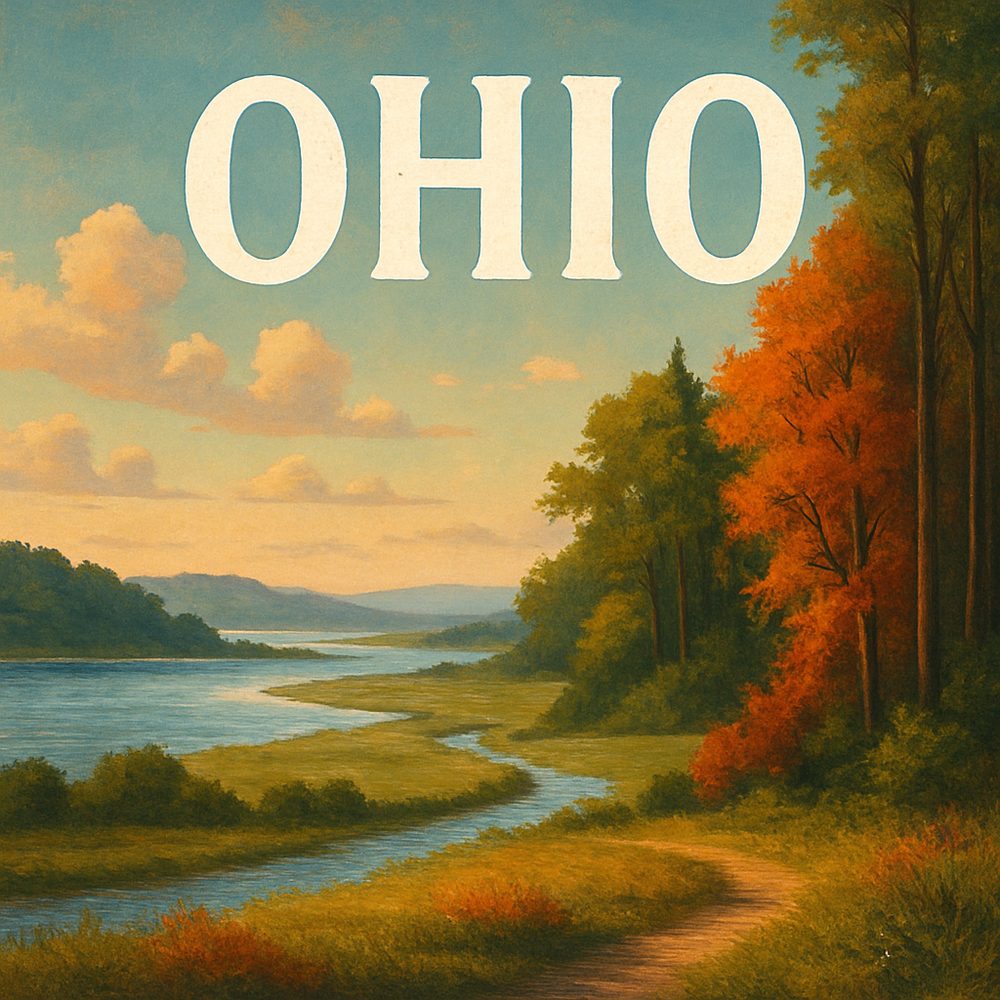
In northern Ohio, just about 20 minutes southwest of Cleveland, the Cuyahoga Valley National Park offers a verdant retreat that contrasts sharply with the state’s southern landscapes. Hiking the Towpath Trail, a mostly flat and accessible route tracing the Ohio & Erie Canal, visitors immerse themselves in a lush corridor of forests and wetlands. The park’s standout feature is Brandywine Falls, a 65-foot waterfall cascading dramatically into a gorge—a refreshing sight year-round but especially vivid in spring when water flow peaks. This region’s history as a transportation artery and its proximity to Lake Erie make it emblematic of the industrial and freshwater heritage that defines much of northern Ohio.
Traveling southeast toward Cincinnati, about 20 minutes from the city center, the Cincinnati Art Museum invites exploration of Ohio’s cultural contrasts through its diverse collections. The museum’s American and European art galleries highlight the city’s historic role as a southern gateway, where cultures merged along the Ohio River. Its neoclassical architecture and rotating exhibits provide an elegant counterpoint to the more rugged outdoor experiences up north. Visiting in late fall or winter reveals the museum’s cozy interiors and offers a quiet refuge from colder southern Ohio nights, making it perfect for art lovers seeking a contemplative break.
Nestled in the heart of Appalachia, Hocking Hills State Park, roughly an hour and a half southeast of Columbus, showcases southern Ohio’s more rugged, forested terrain. The park’s Old Man’s Cave trail, a moderate 1.5-mile loop, guides hikers past sandstone cliffs, waterfalls, and narrow gorges carved over millennia. The geology here contrasts with the flatter landscapes of the north, and the park’s dense hardwood forests burst into fiery color every autumn, drawing visitors eager to experience the region’s natural drama. The cooler, more humid climate of southern Ohio enhances the lushness of these woods, making spring and fall ideal seasons for exploration.
In the north, Lake Erie’s shores near Sandusky, about 30 minutes from Cleveland, are home to the Marblehead Lighthouse State Park, known for its iconic lighthouse and panoramic views of the lake. The lighthouse, built in 1822, stands as a sentinel over one of the Great Lakes’ most important shipping routes, symbolizing northern Ohio’s maritime legacy. Visitors can stroll along the rocky breakwaters or watch ships navigating the waterway, a peaceful but active scene. Summer evenings here are magical as sunsets paint the skies over the water, perfect for photographers and those seeking serene lakeside moments.
Meanwhile, in southwestern Ohio, the Serpent Mound near Peebles, about 90 minutes southeast of Cincinnati, offers a profound connection to the prehistoric cultures of the region. This ancient earthwork—a massive, 1,300-foot-long effigy mound shaped like a snake—is one of the most significant archaeological sites in the state. Walking the trails around the mound provides insight into the Native American Adena culture’s spiritual traditions, a more contemplative experience compared to the northern industrial narrative. Early morning visits often allow for quiet reflection, with soft light casting gentle shadows over the undulating form of the serpent.
Back north, the Rock and Roll Hall of Fame in downtown Cleveland celebrates the city’s pivotal role in American music history. Situated right on Lake Erie’s edge, the museum’s striking glass-and-steel architecture houses memorabilia from legendary artists, highlighting Cleveland’s influence on rock, soul, and pop. This urban landmark draws music fans year-round but feels especially vibrant during winter, when the city’s indoor cultural spaces come alive with events, providing a dynamic contrast to southern Ohio’s natural retreats.
Further south, the historic town of Marietta, located at the confluence of the Ohio and Muskingum Rivers about 90 minutes east of Columbus, embodies the region’s frontier and river trade heritage. Visitors can wander its brick-lined streets, explore the Ohio River Museum, and admire the elegant 19th-century architecture. Marietta’s riverside setting offers scenic boat tours that showcase the tranquil waterways once vital to commerce and migration, a slower-paced charm that contrasts the industrial bustle of northern river cities. Spring through early fall brings mild weather perfect for strolling and river exploration.
In the north-central region, Amish Country in Holmes County, about two hours northeast of Columbus, reveals a different cultural aspect of Ohio life. The rolling farmland, dotted with red barns and horse-drawn buggies, tells a story of community and tradition that has endured in the more rural northern landscape. Visitors can explore local markets, sample handcrafted goods, and tour farms that embrace a slower pace, presenting a pastoral counterbalance to urban northern Ohio. Late summer and early fall, with harvest festivals and lush fields, provide an especially immersive experience.
South of Columbus, Shawnee State Forest near Portsmouth offers a deep dive into southern Ohio’s wilderness and outdoor adventure. About two hours south of Columbus, this vast forest includes trails like the Shawnee Backpack Trail, a challenging 22-mile loop through rugged hills, dense woods, and ravines. The forest’s solitude and varied terrain contrast with the more accessible parks in the north and central regions. Fall is the best time to visit when the forest ignites in warm hues, and cooler temperatures make hiking more comfortable.
Finally, the urban riverfront district of Cleveland’s Flats offers a glimpse at northern Ohio’s industrial rebirth. Situated along the Cuyahoga River about five minutes from the city center, this revitalized area combines historical warehouses with restaurants and music venues. Evening strolls along the riverbanks highlight the gritty charm of a city that once powered America’s steel industry and now embraces arts and leisure. Summer nights here buzz with festivals and live music, a lively counterpoint to the quieter, pastoral scenes found in southern Ohio.
These places illustrate Ohio’s rich geographic and cultural divides. Northern Ohio’s industrial heritage, freshwater landscapes, and urban cultural institutions stand in contrast to southern Ohio’s rugged hills, ancient earthworks, and frontier towns. Together, they offer visitors a full spectrum of experiences shaped by the state’s history and terrain.