City vs. Country Life in Oklahoma: Pros, Cons, and Best of Both Worlds
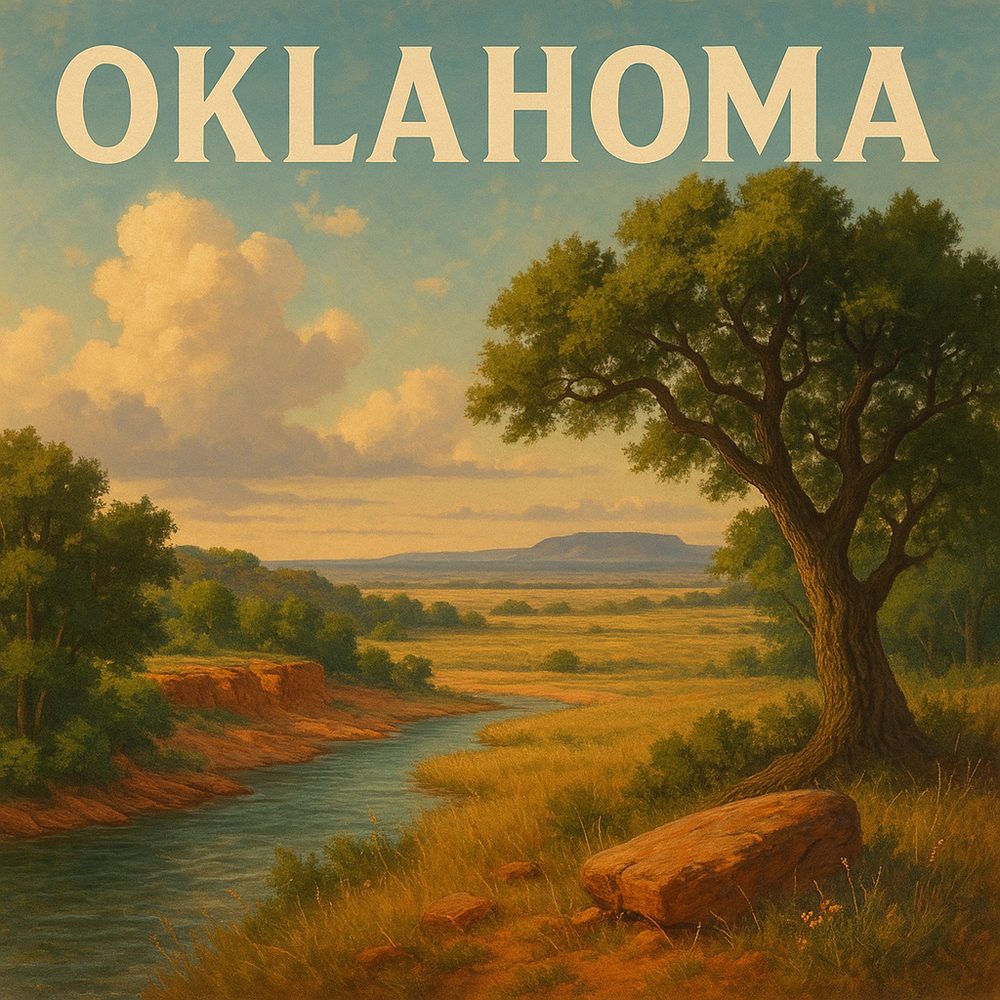
Oklahoma’s landscape offers a striking contrast between urban energy and rural charm, inviting visitors to explore both worlds and discover what makes each setting special. In the heart of the state, Tulsa serves as a vibrant example of city life. Less than two hours northeast of Oklahoma City, Tulsa’s Brady Arts District pulses with creativity. Here, visitors can stroll along tree-lined streets to admire Art Deco architecture and immerse themselves in galleries such as the Philbrook Museum of Art. The museum itself, set in an Italian Renaissance villa surrounded by lush gardens, bridges history and modernity. It’s a unique urban oasis where art lovers relish works from Native American artists alongside European masters, making it a cultural hub that captures the city’s eclectic spirit. The district hums most vividly in spring and fall when the weather encourages outdoor dining and street festivals, showcasing Tulsa’s urban appeal wrapped in warm, inviting seasons.
Heading southwest from Oklahoma City by about an hour’s drive, the Wichita Mountains Wildlife Refuge offers a vivid contrast that highlights rural Oklahoma’s rugged beauty. Near the town of Lawton, this refuge sprawls over 59,000 acres of granite peaks and grasslands. Hiking the Elk Mountain Trail, a moderate 4.5-mile loop, rewards visitors with sweeping panoramic views from a 2,500-foot summit and frequent sightings of bison and longhorn cattle. The refuge is a living reminder of the Plains’ natural heritage, providing a serene yet wild experience far removed from city bustle. Early mornings or late afternoons in spring and fall offer the best light for wildlife spotting and photography, with cooler temperatures making the climb more enjoyable. This landscape preserves a sense of open space and connection to nature that defines much of rural Oklahoma.
Further east, the historic town of Guthrie, about 30 miles north of Oklahoma City, invites visitors to step into a different kind of rural charm. Guthrie’s well-preserved Victorian architecture lines its streets, largely untouched by modern development. The downtown district, centered around the Old Logan County Courthouse, is a living museum of the state’s territorial era. Walking tours here offer glimpses into Oklahoma’s early days, with restored storefronts, antique shops, and cozy cafes setting the scene. The town’s identity as the state’s first capital adds a layer of political history visible in its landmarks. Autumn is an especially magical time to visit, when the courthouse lawn hosts the annual Territorial Days festival, and the crisp air enhances the nostalgic vibe of this small-town experience, blending history with community spirit.
Back in the metropolitan sprawl of Oklahoma City, the Bricktown Entertainment District showcases how urban renewal can transform former industrial zones into lively gathering spots. Situated less than a mile east of downtown OKC, Bricktown’s canal-side walkways and renovated warehouses buzz with restaurants, shops, and nightlife. Visitors can take a water taxi through the canal, enjoying public art installations and views of the skyline. This district exemplifies the city’s effort to merge cultural experiences with urban living, offering a taste of contemporary city life with easy access to theaters and museums. Summer evenings here come alive with outdoor concerts and festivals, inviting locals and tourists alike to soak in the city’s dynamic social scene under warm skies.
For a blend of city edge and country calm, the Lake Thunderbird State Park near Norman lies roughly 20 miles southeast of Oklahoma City. This sprawling park borders a 6,400-acre reservoir, providing a peaceful retreat for boating, fishing, and hiking. The Lake Thunderbird Trails, especially the 3.5-mile Owl Trail, wind through oak forests and offer glimpses of local wildlife along the water’s edge. The proximity to Norman’s university town atmosphere means visitors can enjoy a quiet natural setting by day and explore cultural venues like the Fred Jones Jr. Museum of Art after a short drive. Spring and early fall are ideal for this area, offering mild temperatures perfect for picnics and paddleboarding without the summer heat.
In the northwest corner of Oklahoma, the historic town of Alva, about 90 minutes northwest of Enid, provides a glimpse of rural life anchored by community and heritage. Alva’s downtown is dotted with century-old buildings, serving as a hub for events like the annual Wheatheart Festival, which celebrates the region’s agricultural roots. The nearby Great Salt Plains State Park offers outdoor activities including birdwatching and hiking along the lake, especially notable during spring migration seasons when thousands of sandhill cranes pass overhead. This part of Oklahoma captures the quiet rhythms of farming life blended with natural wonders seldom found in the cities, inviting visitors to slow down and appreciate open skies and friendly faces.
Meanwhile, Oklahoma City’s Paseo Arts District offers an intimate urban village vibe within a large city. Located just a few miles north of downtown, this historic Spanish Revival neighborhood has evolved into a quirky arts enclave. Galleries, studios, and cafes line its narrow streets, spotlighting local artists and musicians. The district flourishes most during the monthly First Friday Art Walk, when colorful murals and live performances spill onto the sidewalks. This neighborhood offers city dwellers and visitors a taste of community creativity amid urban surroundings, highlighting the city’s commitment to fostering culture in accessible, walkable areas. Fall and spring, when temperatures are mild, provide the best backdrop for wandering the Paseo’s streets and enjoying outdoor patios.
Finally, the Talimena Scenic Drive, winding through the Ouachita National Forest about two hours east of Oklahoma City, epitomizes the rural escape with breathtaking views. This 54-mile route along the Oklahoma-Arkansas border showcases rolling hills, dense woodlands, and overlooks that reveal expansive valleys below. Hiking trails like the Winding Stair Mountain National Recreation Trail intersect the drive, offering challenging treks for those seeking solitude and stunning vistas. Fall colors here are legendary, transforming the forest into a kaleidoscope of reds and golds that draw leaf-peepers from across the region. The drive and its surrounding trails provide a perfect rural getaway for anyone craving a deep connection with nature’s grandeur far from city lights.
Together, these places illustrate how Oklahoma’s identity is shaped by the lively pulse of its cities and the quiet strength of its countryside. Whether you’re captivated by the arts and nightlife in Tulsa and Oklahoma City or enchanted by the open skies and trails of the Wichita Mountains and Talimena Drive, the state offers compelling experiences that celebrate both urban sophistication and rural soul.