North vs. South Oklahoma: What’s the Difference?
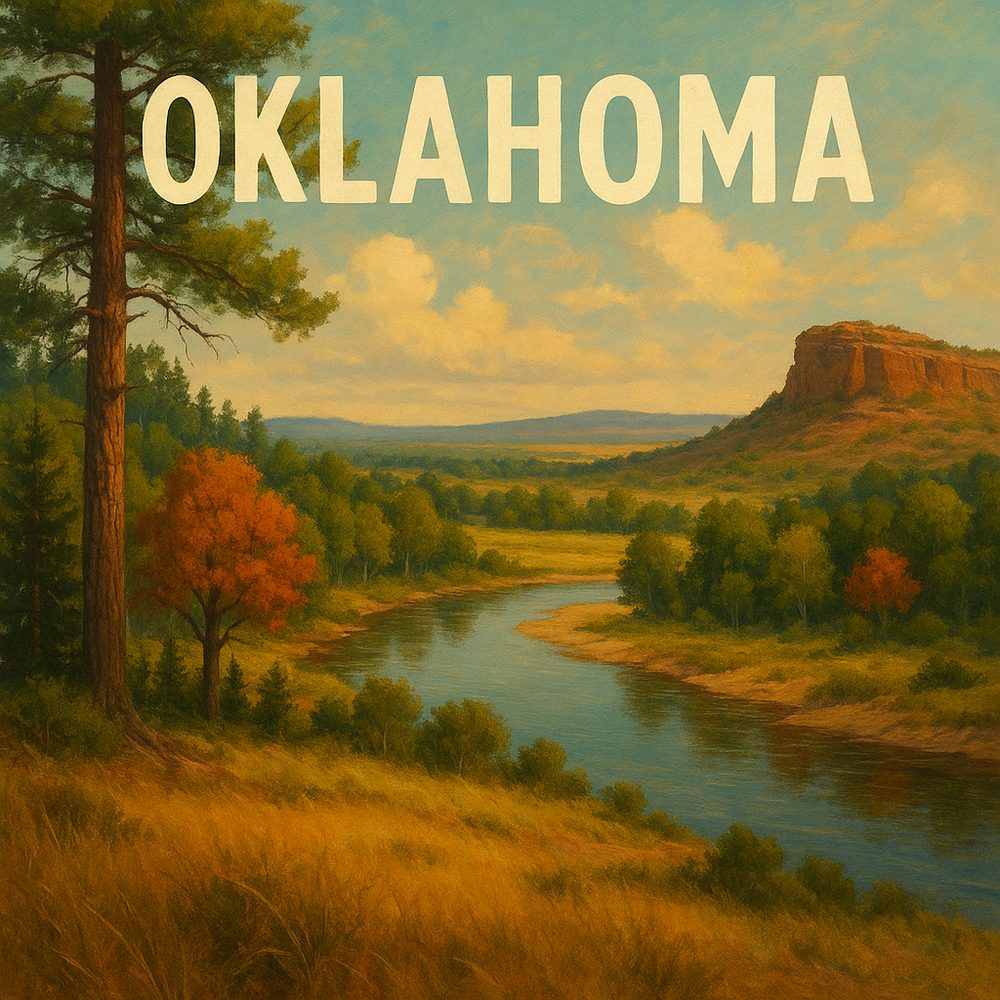
Travelers venturing into Oklahoma will notice a distinctive divide between the northern and southern parts of the state, shaped by geography, culture, and history. In the north, just a short drive southwest of Tulsa, the Quartz Mountain Nature Park near Altus offers a rugged natural playground. This striking park features towering red granite bluffs and clear mountain lakes that contrast with Oklahoma’s typical plains. Hiking the moderately challenging Lakeside Trail, visitors can enjoy sweeping views of the Wichita Mountains and the pristine Lake Altus-Lugert. The park is especially rewarding in early spring when wildflowers bloom amid the rocky terrain, making it a refreshing escape that highlights the state’s northern geological character.
Further north, the city of Tulsa itself reveals much about the region’s industrial and cultural roots. The Tulsa Arts District, located just south of downtown, showcases the city’s rich history through its revitalized warehouses and galleries. Walking the streets here, visitors can experience the blend of Art Deco architecture and contemporary murals that recall Tulsa’s oil-boom past and its modern creative renaissance. The Cain’s Ballroom venue stands out as a cultural anchor, famous for its historic ties to Western swing and early rock ’n’ roll. Live music here emphasizes the north’s deep musical traditions, especially during the pleasant fall months when outdoor events fill the district.
In stark contrast, southern Oklahoma’s landscape and culture have a more southern and Native American flavor, as seen at the Chickasaw Cultural Center near Sulphur, about an hour south of Oklahoma City. This museum and cultural site immerses visitors in the history and traditions of the Chickasaw Nation through interactive exhibits, traditional storytelling, and outdoor representations of village life. The center’s grounds and the nearby Lake of the Arbuckles create a peaceful setting ideal for summer visits, where warm temperatures invite paddleboarding or picnics. The emphasis on living history and the preservation of indigenous culture marks this location as a unique southern counterpart to northern Oklahoma’s rugged outdoor focus.
Heading west from Sulphur, the Wichita Mountains Wildlife Refuge near Lawton embodies southern Oklahoma’s connection to wildlife and open spaces. Just under two hours from Oklahoma City, this refuge protects bison, elk, and longhorn cattle against a backdrop of rolling granite peaks. The Refuge’s Elk Mountain Trail offers an accessible 2.5-mile loop with panoramic vistas from the summit that are especially stunning during the golden light of late afternoon. This vast, untamed environment contrasts with the more urbanized north and celebrates Oklahoma’s southern legacy of ranching and conservation.
On the eastern edge of northern Oklahoma, the city of Bartlesville presents another facet of regional difference through its architectural and historical landmarks. About 45 minutes north of Tulsa, the Price Tower Arts Center stands as a testament to innovation. Designed by Frank Lloyd Wright, this skyscraper is the only realized example of a “vertical prairie” style building. Visitors tour the center to enjoy its unique blend of art, architecture, and history, reflecting the region’s early 20th-century oil wealth. The surrounding downtown’s mix of historic shops and theaters comes alive during spring festivals, highlighting the north’s blend of natural and urban attractions.
Switching gears to southern Oklahoma, the town of Ardmore, near the Texas border about 90 minutes south of Oklahoma City, offers a lively example of southern hospitality and local cuisine. The Ardmore Farmers Market and local barbecue joints showcase traditional southern cooking styles that borrow from Texan influences, including smoked brisket and pecan pies. Fall is an ideal time to visit when the market is busiest and the weather cools, reinforcing the region’s agricultural roots and community-centered spirit.
Another northern gem is the scenic drive along the Cherokee Turnpike near Vinita, roughly an hour northeast of Tulsa. This route introduces travelers to rolling hills, dense forests, and the remnants of early Native American settlements. The nearby Sequoyah’s Cabin Historic Site offers a glimpse into the life of the man who created the Cherokee syllabary, a unique link to the north’s indigenous heritage. Autumn’s colorful foliage enhances the drive, making this a compelling outdoor and educational experience that intertwines nature with history.
Finally, in the southern part of the state, the city of McAlester, about 90 minutes southeast of Oklahoma City, preserves Oklahoma’s coal mining heritage. The Oklahoma State Penitentiary Museum and nearby historic downtown tell stories of labor, law, and community resilience. Visiting in the cooler months lets one explore the museum’s artifacts and guided tours comfortably, highlighting a gritty, working-class chapter of southern Oklahoma’s past. This emphasis on industrial history, combined with small-town charm, provides a counterpoint to the northern emphasis on art and nature.
Together, these places demonstrate how north and south Oklahoma offer travelers distinct experiences shaped by geography, culture, and history. North Oklahoma draws visitors with its dramatic landscapes, artistic enclaves, and architectural marvels, while the south invites exploration of indigenous cultures, wildlife refuges, and warm, food-centered communities. Both regions celebrate their heritage through specific destinations that bring the state’s diversity to life in vivid, tangible ways.