North vs. South Oregon: What’s the Difference?
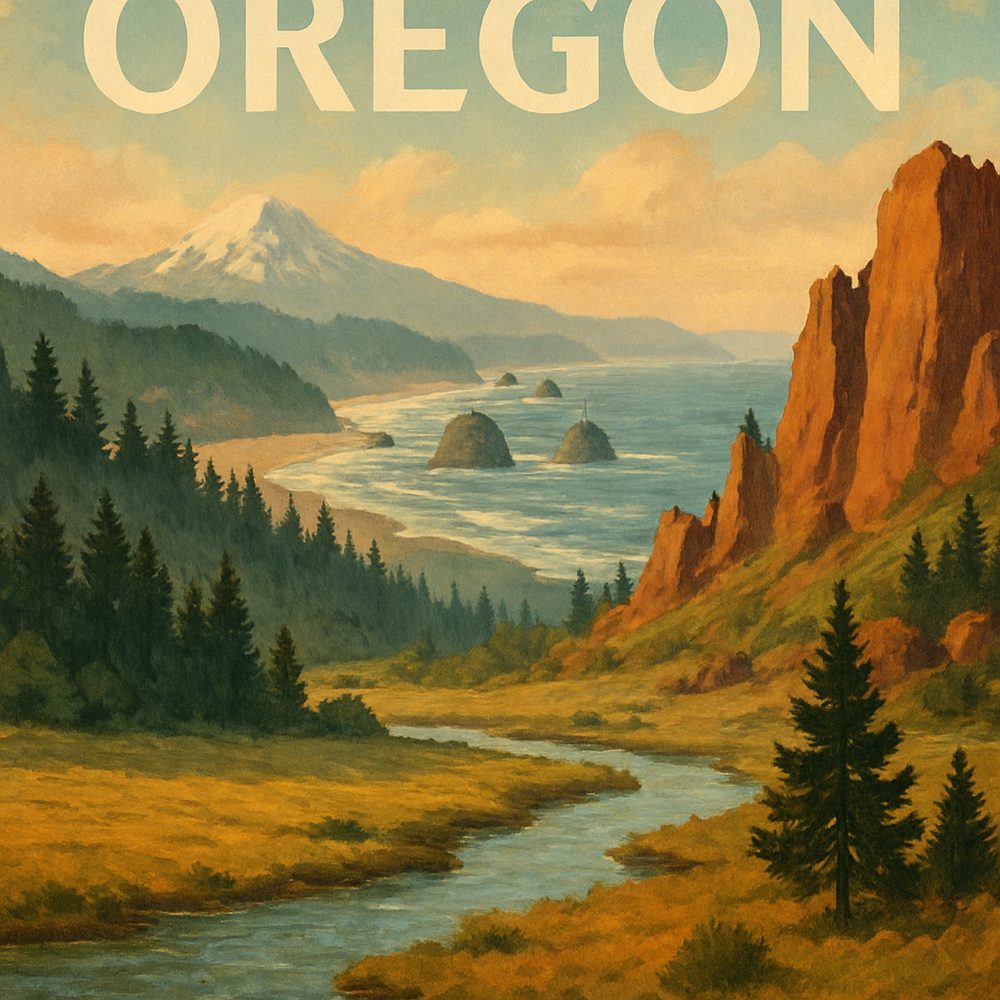
Oregon’s diverse landscapes and cultures create a fascinating contrast between its northern and southern regions, each offering travelers distinct experiences rooted in geography, history, and lifestyle. Near the northern border, just a short drive east of Portland, lies the Columbia River Gorge. This stunning natural corridor features the iconic Multnomah Falls, a 620-foot waterfall that’s part of a larger network of cascades along the Historic Columbia River Highway. Hiking the moderate 2.4-mile loop to the Benson Footbridge provides close-up views of the falls’ two tiers and a chance to immerse in lush rainforest flora. The Gorge’s proximity to Portland makes it a favorite for day trips and weekend escapes, especially in the spring and early summer when wildflowers bloom and waterfalls peak from snowmelt.
Further south, Bend offers a distinctly different vibe shaped by the high desert and volcanic landscapes of Central Oregon. About three hours southeast of Portland, Smith Rock State Park is a world-renowned climbing destination that also draws hikers and photographers. Trails like the River Trail loop provide accessible routes with breathtaking overlooks of sheer rock spires sculpted from ancient volcanic ash. Unlike the verdant Columbia River Gorge, Smith Rock’s dramatic cliffs and open skies speak to Oregon’s rugged southern character. Best visited in fall or spring to avoid the summer heat, the park showcases how southern Oregon’s geography fosters outdoor pursuits rooted in arid, sun-drenched terrain.
Returning to the north, Eugene is a cultural and outdoor hub about two hours south of Portland. Spencer Butte Park offers a rewarding hike to a 1,500-foot summit with panoramic views of the city and the distant Cascade Mountains. The trail, moderately challenging at just under two miles one way, is a favorite among locals for quick escapes into nature. Eugene’s reputation as a college town is enhanced by its vibrant arts scene and farm-fresh markets, reflecting a northern Oregon ethos that blends urban amenities with accessible wilderness. Fall is an ideal time for a visit, when the changing leaves add color to the forests along the trail.
In southern Oregon, Ashland provides a markedly different cultural experience, centered around the Oregon Shakespeare Festival. Located near the California border, about 4.5 hours south of Portland, the festival fills the town with theatrical energy from spring through fall. Beyond the performances, Lithia Park offers a peaceful refuge with winding walking paths, duck ponds, and towering pines. The park’s manicured gardens and historic charm contrast with southern Oregon’s often wilder surroundings. Early evening in summer, when the park is bathed in golden light and festival crowds linger nearby, highlights this blend of nature and culture unique to Ashland.
The northern coast of Oregon also presents a distinct environment, with Cannon Beach standing out as a gem about 90 minutes west of Portland. Famous for the colossal Haystack Rock rising from the shore, Cannon Beach invites visitors to explore tide pools rich with marine life during low tide or stroll the broad sandy beaches framed by coastal bluffs. The small town atmosphere combines art galleries, specialty shops, and cafes, anchoring a coastal culture that is cooler and wetter than much of southern Oregon. Winter and early spring bring dramatic storms that transform the beach into a wild spectacle, while summer offers calm, sunlit days perfect for kayaking or kite flying.
Down south on the coast, the town of Bandon reveals yet another facet of Oregon’s diversity. Roughly four hours south of Portland, Bandon boasts rugged, windswept beaches shaped by sea stacks and dunes. The Face Rock State Scenic Viewpoint trail offers an easy walk to striking viewpoints where seals and seabirds are common sights. Compared to Cannon Beach’s postcard-perfect vistas, Bandon feels more remote and windswept, reflecting the southern coast’s quieter, more rugged spirit. Late spring through early fall tends to bring the best weather here, ideal for beachcombing and exploring local cranberry farms.
Finally, the Willamette Valley bridges north and south with its fertile farmland and wine country. Around Salem, about an hour south of Portland, Minto-Brown Island Park provides an expansive network of trails through wetlands and forested areas along the Willamette River. The park’s flat, easy pathways are perfect for biking, birdwatching, and picnicking, offering a gentle outdoor experience unlike the rugged hikes farther south or the steep gorge trails up north. Springtime, when migrating birds flock to the wetlands, makes it particularly special. This landscape highlights northern Oregon’s agricultural roots and contrasts with the more volcanic and high desert influences shaping southern Oregon’s backcountry.
Exploring Oregon from north to south reveals a state of striking contrasts—lush river canyons and rain-drenched coasts in the north, meeting arid high deserts and theatrical small towns in the south. Each region’s signature places invite discovery through unique outdoor adventures, cultural riches, and natural beauty. Whether hiking to a thundering waterfall near Portland or savoring a Shakespeare play in Ashland’s historic theaters, travelers can experience two different Oregons in one remarkable state.