North vs. South Pennsylvania: What’s the Difference?
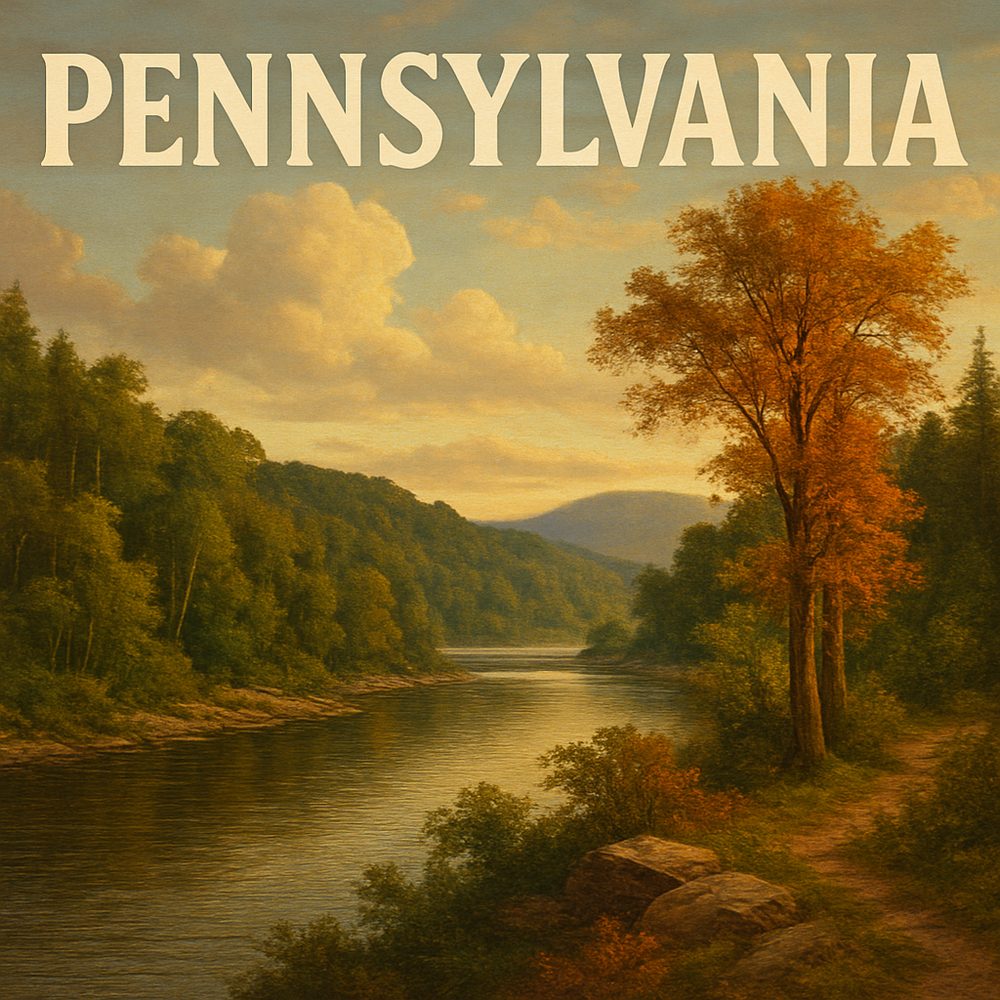
Traveling through Pennsylvania offers a fascinating contrast between the northern and southern regions, each defined by unique landscapes, cultural flavors, and historical markers. Up north, near the city of Erie about an hour’s drive away, Presque Isle State Park emerges as a natural gem on Lake Erie’s shoreline. This sandy peninsula offers over 13 miles of trails that snake through marshes, wetlands, and beaches. Walking the Sunset Point Trail, visitors can experience sweeping water views and catch glimpses of migrating birds, especially stunning in late spring and early fall when the park bursts with wildlife activity. What sets Presque Isle apart is its blend of freshwater beach beauty with accessible hiking, making it a beloved summer escape for locals and visitors alike.
Heading to the southern part of the state, the historic town of Gettysburg, roughly two and a half hours southwest of Harrisburg, offers a deep dive into the Civil War’s legacy. The Gettysburg National Military Park preserves the battlefield where one of the war’s most pivotal clashes unfolded. Walking the Cemetery Ridge trail or visiting the Soldiers’ National Cemetery evokes powerful reflections, especially during the autumn months when the fall foliage adds a poignant backdrop to the historic grounds. This site offers a different rhythm from the north’s natural retreats—here, history is palpably alive, interpreted through monuments and a museum rich with artifacts from 1863.
In north-central Pennsylvania, about two hours northwest of Williamsport, the Kinzua Bridge State Park stands out with its dramatic skywalk. Once the longest and tallest railroad bridge in the world, it was partially destroyed by a tornado in 2003, leaving a breathtaking fragment suspended high above the Kinzua Creek Gorge. The park’s newly built pedestrian walkway extends out onto the remaining structure, providing stunning views of the Allegheny National Forest. This fusion of natural beauty and industrial heritage is a striking reminder of the region’s past reliance on timber and railroads. Spring and fall are ideal times to visit when the forest colors shift and the air is crisp.
Down south near Philadelphia, the Brandywine Valley offers a different kind of cultural richness. About 45 minutes west of the city, the Brandywine River Museum of Art celebrates the region’s artistic heritage with a focus on the Wyeth family of painters. Walking through the galleries, visitors encounter sweeping landscapes and intimate portraits that capture the rural beauty of southeastern Pennsylvania. The museum’s setting along the Brandywine Creek enhances the experience, especially in early summer when the gardens surrounding the historic buildings are in full bloom. This area’s blend of art and pastoral charm feels worlds apart from the industrial history further north.
In northeastern Pennsylvania, roughly an hour south of Scranton, Ricketts Glen State Park is a must-see for waterfall enthusiasts. The Falls Trail here is a rigorous 7.2-mile loop that leads hikers past 21 named waterfalls, including the spectacular Ganoga Falls, which plummets 94 feet—the tallest in the park. The dense old-growth forest and rocky terrain make this one of the state’s most photogenic hiking spots. Fall is particularly magical when the canopy bursts into fiery reds and golds, transforming the park into an autumn wonderland. This rugged natural treasure contrasts with the gentle farmland that dominates much of southern Pennsylvania.
Closer to Harrisburg in the southern region, the Pennsylvania Dutch Country offers a vibrant taste of local culture and cuisine. Towns like Lancaster, about 20 minutes southeast of the capital, invite visitors to explore bustling farmers’ markets, Amish craft shops, and hearty dining spots featuring traditional dishes like shoofly pie and homemade pretzels. A visit to the Landis Valley Village & Farm Museum immerses travelers in the Mennonite and Amish heritage through restored buildings and interactive exhibits. The slower pace and rustic charm of this region provide a distinct cultural flavor that contrasts with the nature-focused experiences up north.
In the northwest, near Pittsburgh, Moraine State Park offers a blend of recreation and glacial history about 40 minutes north of the city. Lake Arthur, the park’s centerpiece, stretches across 3,200 acres, inviting boating, fishing, and picnicking amid rolling hills shaped by the last Ice Age. The network of trails, including the scenic Breakneck Trail, offers easy to moderate hikes through mixed hardwood forests. Spring’s wildflowers and summer’s warm waters make this park a favorite for outdoor families. The park’s geological story and recreational appeal offer a layered experience different from the southern urban and cultural hubs.
Finally, the south-central region’s Appalachian Trail segment near Pine Grove Furnace State Park, located about an hour west of Harrisburg, highlights Pennsylvania’s place along this iconic footpath. The park is home to the Appalachian Trail Museum, which chronicles the trail’s history through engaging exhibits. Hikers can tackle the easy to moderate trails surrounding the old iron furnace ruins, experiencing both natural beauty and industrial heritage in one visit. Autumn attracts many here, as the trail corridor lights up with vibrant fall colors. This spot reveals Pennsylvania’s blend of outdoor adventure and historical narrative in a way that bridges the north-south divide.
Exploring these diverse destinations reveals how Pennsylvania’s northern and southern parts each offer distinct experiences. Up north, rugged natural landscapes and glacial history dominate, while the south emphasizes cultural heritage, historic towns, and pastoral charm. Together, they create a rich tapestry that invites visitors to explore the state’s many facets, whether through a lakeside hike, a battlefield tour, or a quiet afternoon in an art museum surrounded by blooming gardens.