North vs. South Rhode Island: What’s the Difference?
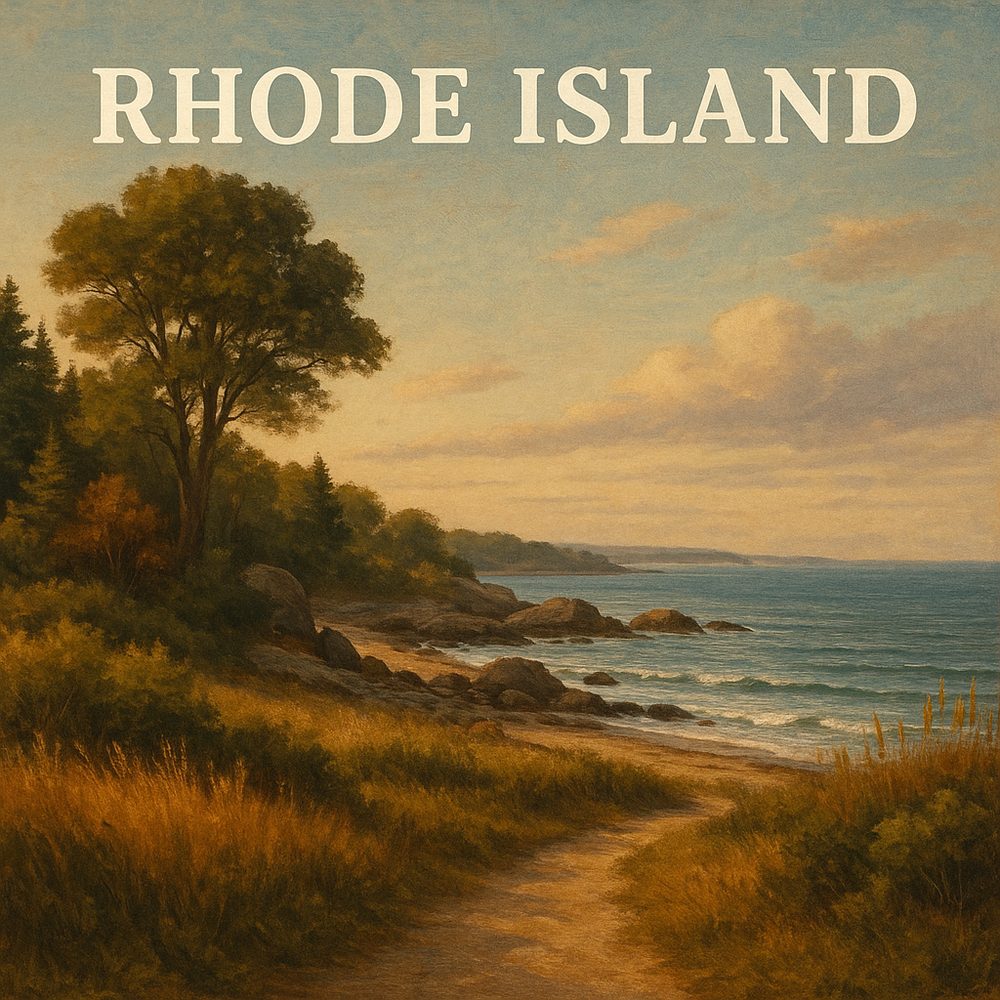
Cruising north from the capital city of Providence, you quickly enter a landscape marked by quaint mill towns and historic charm, anchored by places like Slater Mill Historic Site in Pawtucket. About 10 minutes northeast of downtown Providence, Slater Mill holds the distinction of being the birthplace of the American Industrial Revolution. Visitors can wander through restored 19th-century mills along the Blackstone River and explore exhibits that detail Rhode Island’s pivotal role in early factory technology. The site’s cobblestone paths and preserved machinery immerse you in the gritty beginnings of American manufacturing, a sharp contrast to the coastal leisure found further south. The best time to visit is on a crisp spring or fall day, when the surrounding riverside gardens bloom or turn fiery with autumn leaves, enhancing the historical ambiance.
Heading further north, the village of North Smithfield offers a different kind of outdoor experience at the scenic Blackstone River Bikeway. Starting roughly 25 minutes northwest of Providence, this multi-use trail follows the Blackstone River through forests, wetlands, and alongside remnants of old mills. The relatively flat 12-mile stretch invites leisurely biking or walking, with numerous river views and opportunities to spot local wildlife like herons and beavers. Fall is particularly stunning here, when the trail is framed by vibrant foliage. This region’s mix of industrial heritage and natural beauty captures northern Rhode Island’s balanced character—where history and environment intertwine seamlessly.
Shift gears to the southern shoreline and you’ll find Newport, a coastal city about 45 minutes southeast of Providence, famous for its Gilded Age mansions and ocean vistas. The Cliff Walk is the crown jewel here, a public 3.5-mile path that traces the rocky Atlantic coastline beneath towering estates once owned by America’s wealthiest families. The trail combines rugged natural beauty with striking architectural views, allowing visitors to admire both crashing waves and ornate stonework. The walk’s moderate difficulty, with some steep and rocky stretches, rewards hikers with panoramic ocean views and hidden coves. Summer and early fall are ideal for this coastal stroll, as sea breezes temper the heat and the days remain long.
Just a bit inland from Newport lies the quaint village of Wickford, about 40 minutes southeast of Providence, where the historic Wickford Village offers a peaceful small-town vibe. Its 18th-century homes, boutique shops, and waterfront parks showcase a classic New England coastal charm that feels worlds away from city bustle. The village green often hosts outdoor concerts and farmers markets, making it a lively but intimate spot to soak up local culture. Late spring and early summer are perfect here, when the harbor sparkles and the gardens bloom, inviting leisurely exploration by foot or kayak.
Traveling west toward the southern interior, the Arcadia Management Area in Exeter is a sprawling natural preserve about 30 minutes south of Providence. This vast forested area offers extensive trails for hiking, mountain biking, and horseback riding amidst rolling hills and serene ponds. The Tomaquag Rock Trail is a favorite moderate loop for hikers seeking solitude and a touch of wilderness close to the urban core. With over 14,000 acres, Arcadia stands out as Rhode Island’s largest natural area, providing a deep dive into the state’s forest ecology and a quiet retreat from more touristy coastal spots. Early autumn is spectacular here, as the foliage turns fiery red and orange, perfect for photographers and nature lovers alike.
In contrast, the southern coast’s saltwater bays come alive at Ninigret National Wildlife Refuge near Charlestown, roughly 50 minutes south of Providence. This protected estuary features walking trails that wind through salt marshes, dunes, and kettle ponds, habitats critical for migratory birds and native wildlife. The refuge’s beach overlooks provide a serene spot to watch ospreys dive and shorebirds forage. It’s a haven for birding enthusiasts, especially during spring and fall migrations when the diversity of species peaks. The refuge encapsulates southern Rhode Island’s connection to the sea and the natural rhythms of coastal ecosystems.
Over in Providence itself, the city’s South Side neighborhood offers a vibrant cultural scene that contrasts with the historic mill towns to the north. The South Providence neighborhood, just minutes from downtown, hosts a thriving arts community showcased at venues like the Southside Cultural Center. Local galleries and performance spaces reflect the area’s diverse population and rich immigrant heritage. Walking tours often highlight murals, ethnic eateries, and community gardens that thrive in this urban enclave. Spring and summer bring outdoor festivals and street fairs, energizing the streets with music and color. Experiencing this neighborhood provides insight into contemporary Rhode Island life, where creativity and tradition blend in a dynamic urban setting.
Finally, no exploration of Rhode Island’s regional differences would be complete without mentioning Block Island, situated about 13 miles off the southern coast near New Shoreham. A ferry ride from Point Judith, roughly an hour south of Providence, brings visitors to this tranquil island famed for its dramatic cliffs, sandy beaches, and historic lighthouses like the North Lighthouse. The Mohegan Bluffs trail offers a challenging descent to a secluded beach with sweeping Atlantic views. Block Island’s slower pace and natural beauty contrast sharply with the mainland’s bustling towns and industrial past. Summer is prime time here, when warm waters and clear skies invite swimming, sailing, and biking around the island’s charming villages.
Together, these places reveal Rhode Island’s mosaic of northern industrial heritage and southern coastal leisure, urban vibrancy and rural retreat. Each corner of the state invites visitors to experience its distinctive rhythms through sites that preserve history, celebrate nature, and showcase community spirit. Whether tracing the steps of early factory workers or wandering ocean cliff paths, exploring Rhode Island’s north and south offers a rich, textured journey through America’s smallest but endlessly varied state.