North vs. South Tennessee: What’s the Difference?
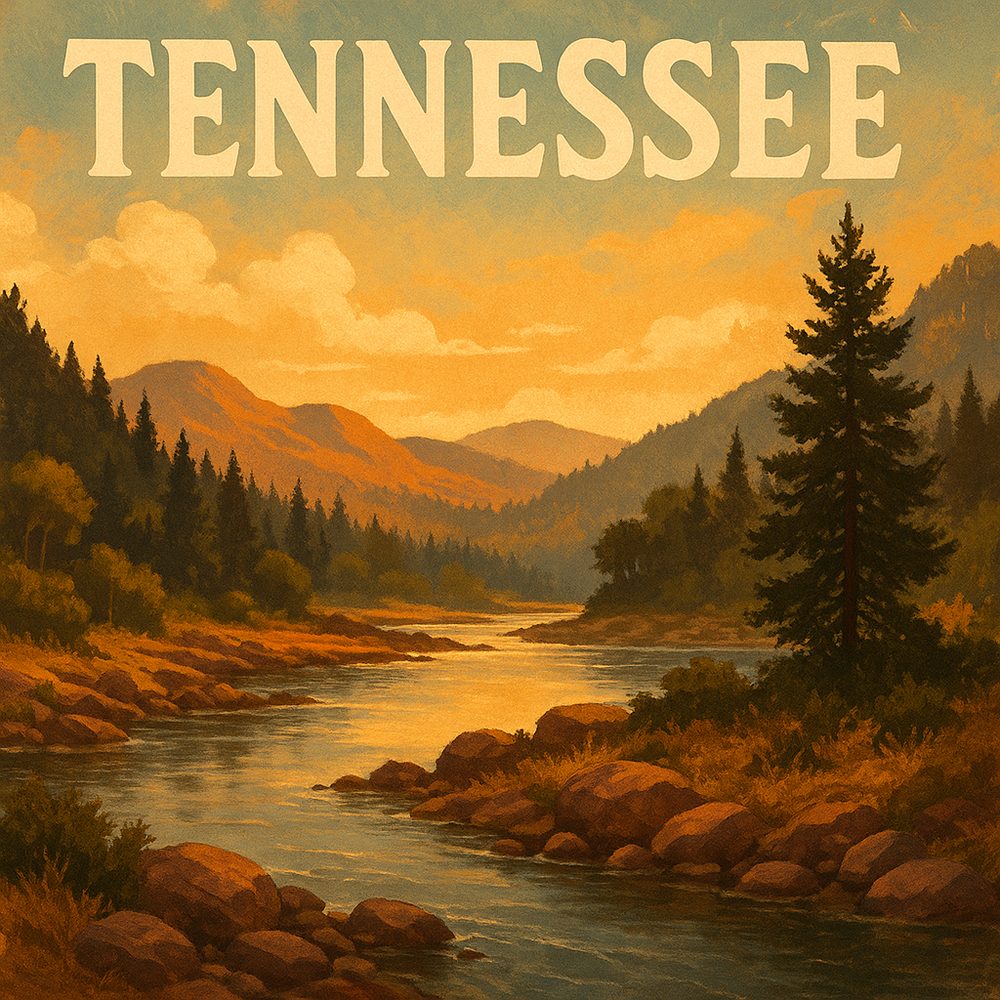
Tennessee’s character shifts as you move from the rugged Appalachians of the northeast to the rolling hills and rich farmland of the south. In North Tennessee, the Great Smoky Mountains National Park near Gatlinburg, about an hour east of Knoxville, offers a vivid portrait of the state’s ancient roots. Hiking the Alum Cave Trail, a moderate 5-mile roundtrip, you traverse exposed cliffs and old-growth forest, all framed by misty mountain peaks. This park stands out not only for its biodiversity but for its blend of natural beauty and Appalachian culture, preserved through historic cabins and ranger talks. Visiting in spring brings wildflowers and cascading waterfalls alive, painting the forest in vibrant colors, while autumn showcases a tapestry of crimson and gold leaves that draw visitors from across the country.
Moving west and slightly south, the city of Knoxville serves as a cultural crossroads between the state’s rugged north and the more mellow middle and south. The East Tennessee History Center downtown provides a comprehensive window into this region’s unique heritage, with exhibits on the Civil War’s local impact and the Appalachian folk traditions that still resonate in the area’s music and crafts. The nearby Market Square bustles with farmers and artisans, reflecting a blend of old-world Appalachian grit and modern revitalization. A stroll here on a sunny weekend afternoon reveals the friendly, down-to-earth spirit that characterizes much of North Tennessee’s urban life.
Further south near Nashville, the contrast becomes more urban and cosmopolitan. The Country Music Hall of Fame and Museum, nestled in downtown Nashville, captures the heart of Tennessee’s southern identity through the lens of its musical legacy. About a three-and-a-half-hour drive southwest from Knoxville, this museum chronicles the evolution of country and related genres with interactive exhibits and artifacts from legends like Johnny Cash and Dolly Parton. Nashville’s vibrant nightlife along Broadway offers live music venues that bring the state’s southern sound to life every night, making it a unique cultural hub where modern southern hospitality meets entertainment history.
Just a short drive from Nashville, the Natchez Trace Parkway stretches southwestward, tracing a historic trade route that links the northern and southern parts of the state. This scenic drive is a favorite for cyclists and motorcyclists looking to experience Tennessee’s quieter rural landscapes. The parkway’s rich history includes Native American artifacts and old settler homesteads, which visitors can explore at spots like the Meriwether Lewis Monument near Hohenwald. Autumn here is especially magical, with the foliage along the winding road reflecting the southern countryside’s softer, pastoral charm.
In the southwestern corner, Memphis stands as a gateway to the Mississippi Delta’s blues and soul traditions. About a 45-minute drive west from downtown, the Stax Museum of American Soul Music preserves the legacy of artists like Otis Redding and Isaac Hayes. This site is more than a museum; it’s an immersive tribute housed in the original recording studio, where the gritty sounds of the South were born. Visitors can listen to rare recordings and see the very instruments that shaped a genre, experiencing the raw emotion that defines southern Tennessee’s musical heartbeat. Evening visits to Beale Street, just minutes away, add to the authentic atmosphere with live performances that echo through the historic district.
For a completely different southern Tennessee experience, the Land Between the Lakes National Recreation Area sits along the border with Kentucky, about two hours northwest of Nashville. This expansive park offers hiking, wildlife viewing, and water activities between Kentucky Lake and Lake Barkley. Unlike the forested mountains of the north, this area presents a mix of wetlands and open woodlands, where bison and elk roam freely in the Elk & Bison Prairie. The scenic drive through the park at sunset is unforgettable, offering panoramic views of star-studded skies in a setting far from urban light pollution. Spring and fall are ideal times to visit, when the weather is mild and the wildlife most active.
Back toward the eastern mountains, the town of Jonesborough, about 40 minutes southwest of Johnson City, embodies North Tennessee’s historic charm. As the state’s oldest town, it offers a quiet contrast to the southern urban centers, with well-preserved 18th-century buildings and a lively storytelling festival that celebrates Appalachian oral traditions. Walking its historic Main Street feels like stepping into a living museum, where the tales of early settlers and Cherokee tribes come to life. The gentle foothills around Jonesborough are perfect for easy hikes and drives that reveal the deep cultural roots and slower pace of life typical of North Tennessee.
In the heart of South Tennessee, Chattanooga stands out with its blend of natural beauty and industrial heritage, about two hours southeast of Nashville. Lookout Mountain offers multiple adventures: the Incline Railway climbs steeply to panoramic overlooks like Sunset Rock, where the Tennessee River snakes through the valley below. The city’s Tennessee Aquarium invites visitors to explore river ecosystems central to the southern part of the state. Chattanooga’s revitalized riverfront area, with its pedestrian bridges and parks, reflects the South’s evolving identity—balancing outdoor adventure with growing urban sophistication. Springtime, when the rhododendrons bloom on Lookout Mountain, is especially striking.
Together, these places capture the state’s dual personality: the northern highlands with their rugged landscapes, deep Appalachian culture, and misty forests, and the southern stretches with their rolling hills, vibrant music scenes, and historic southern charm. Traveling from the smoky peaks of the north to the soulful streets of the south offers a layered Tennessee experience that showcases how geography and history shape local identity in distinct yet complementary ways. Whether chasing waterfalls or song lyrics, visitors find that both halves of the state tell a story worth exploring.