City vs. Country Life in Texas: Pros, Cons, and Best of Both Worlds
Nestled just a few miles from the vibrant heart of Dallas, the Bishop Arts District offers a compelling taste of city life with a distinctively local flavor. This historic neighborhood pulses with independent boutiques, art galleries, and intimate eateries where the hum of creativity is tangible on every street corner. Wandering the colorful sidewalks, visitors can savor everything from handcrafted coffee to innovative fusion dishes, making it an ideal spot for those craving the urban energy of Texas without the overwhelming scale of a sprawling metropolis. The district’s walkability and eclectic vibe capture a modern Texas cityscape where culture and community collide, especially lively during weekend art walks and evening music sets.
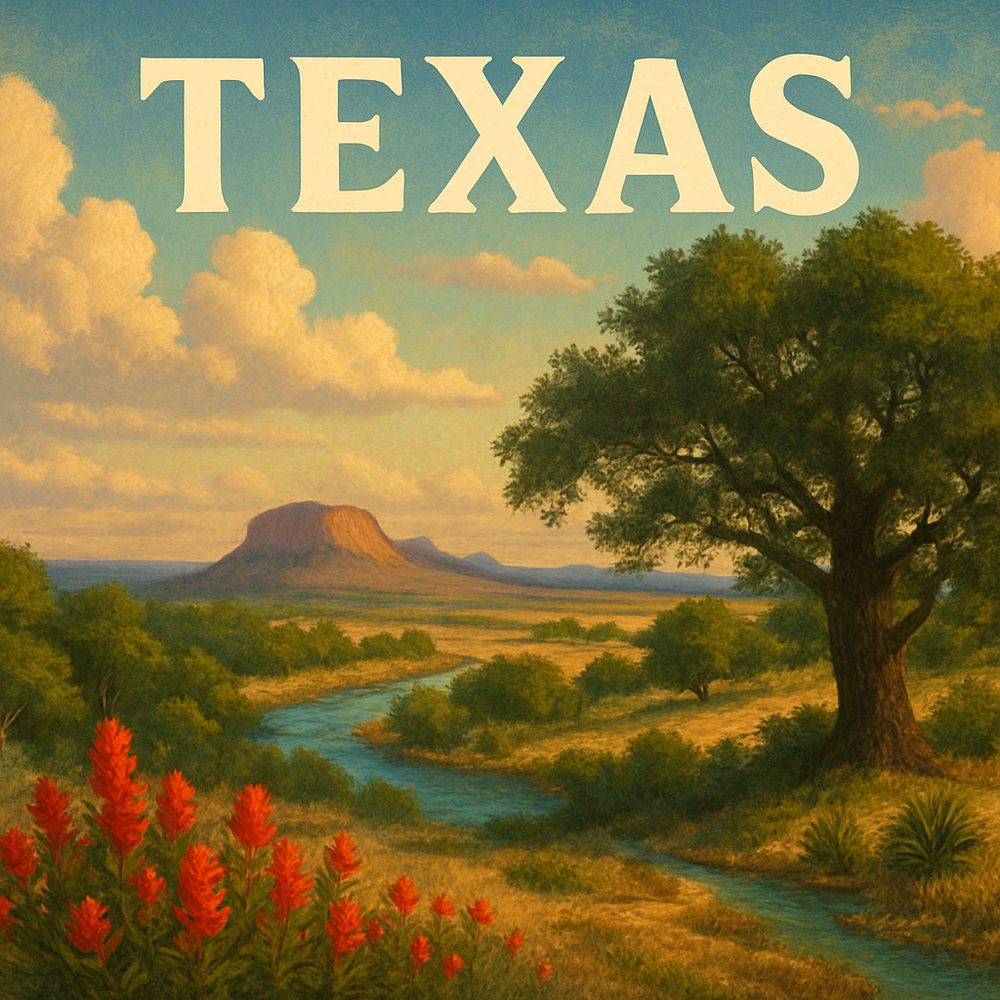
Travel west about an hour from Houston to the quaint town of Brenham, a gateway to the Texas countryside experience. Here, rolling bluebonnet fields and sprawling ranches define the landscape, inviting visitors to slow down and breathe in the open air. The historic downtown square, with its charming storefronts and classic Texas architecture, offers a window into rural life, punctuated by friendly faces and seasonal farmers’ markets. Brenham also serves as the hometown of Blue Bell Creameries, where tours reveal the local pride and tradition behind one of Texas’s most beloved ice cream makers. A spring visit aligns perfectly with the wildflower bloom, transforming the surrounding fields into a vivid tapestry of blues and purples under wide open skies.
Further south, the Big Bend Ranch State Park, near the town of Presidio and about a four-hour drive southwest of El Paso, illustrates the stark, dramatic appeal of rural Texas. This vast expanse of desert wilderness boasts rugged canyons, towering cliffs, and miles of hiking and mountain biking trails. The Old Ore Road trail, a challenging 12-mile out-and-back route, offers an exhilarating adventure past historic mining sites and breathtaking overlooks of the Rio Grande River. Big Bend Ranch’s remote location fosters a sense of solitude rarely found in city life, making it a haven for stargazers and nature lovers seeking a deep connection to the land, especially under the clear night skies of fall and winter.
In the bustling core of Austin, the Texas State Capitol grounds provide a striking contrast to the countryside’s tranquility. Situated downtown, the Capitol building itself is an architectural marvel—taller than the U.S. Capitol, made of distinctive sunset red granite, and surrounded by lush gardens. Visitors can join guided tours that delve into Texas’s unique political history and appreciate the art and craftsmanship that celebrate the state’s identity. The busy urban setting, with its nearby food trucks and eclectic music venues, exemplifies the lively, progressive spirit of Texas’s capital city. Spring and fall offer the most pleasant weather to stroll the grounds and linger in nearby parks before heading into the vibrant nightlife scene.
About two hours east of Dallas, the charming town of Jefferson invites visitors to a slower pace with its well-preserved 19th-century architecture and scenic waterways. Its reputation as a hub of Texas riverboat history is palpable along the Caddo Lake National Wildlife Refuge. The bayou’s labyrinth of cypress trees draped in Spanish moss creates an otherworldly atmosphere, ideal for kayaking or guided boat tours that showcase the region’s rich biodiversity. This rural pocket of East Texas offers a peaceful retreat where history and nature merge, particularly magical in the misty mornings of late autumn when the quiet waters mirror the colorful foliage.
In San Antonio, the Pearl District blends historic industrial roots with a thriving urban renewal scene just north of downtown. Once a brewery complex, this area is now a destination for food lovers and culture seekers alike. The weekend farmers’ market here features local farmers and artisans, bringing a taste of Texas’s agricultural heritage into an urban context. Visitors can explore the River Walk extension in this district or enjoy live jazz in converted warehouse spaces. The Pearl’s eclectic mix of old and new encapsulates the best of city life—heritage, innovation, and a strong sense of place—especially vibrant when the weather cools down in the fall.
A drive roughly three hours south of Austin leads to the town of Wimberley, nestled in the Texas Hill Country. Known for its natural beauty and artisan community, Wimberley offers a rural escape without completely disconnecting from creative energy. The Blue Hole Regional Park provides a refreshing swimming hole surrounded by limestone bluffs and shaded picnic spots, perfect for a summer day. Nearby, the Wimberley Market Days draw visitors into a lively mix of crafts, food, and live music that reflects the region’s laid-back charm. The gentle rolling hills and clear streams of this area highlight the pastoral side of Texas, making it a favorite for those who appreciate nature’s quiet rhythms alongside a friendly small-town vibe.
Combining elements of both worlds, the city of Fort Worth embraces its cowboy heritage amid a modern urban setting. The Fort Worth Stockyards National Historic District, only about 30 minutes northwest of Dallas, is a vivid step back into Texas’s ranching past. Daily cattle drives, rodeos, and Western-themed shops coexist with museums like the National Cowgirl Museum and Hall of Fame, showcasing the stories of strong women pioneers. This blend of authentic rural culture within an accessible city environment creates a unique experience for visitors. The Stockyards come alive particularly in the evenings, when honky-tonk bars and live country music fill the streets, embodying a Texas spirit that bridges both city slicker and country roots.