North vs. South Texas: What’s the Difference?
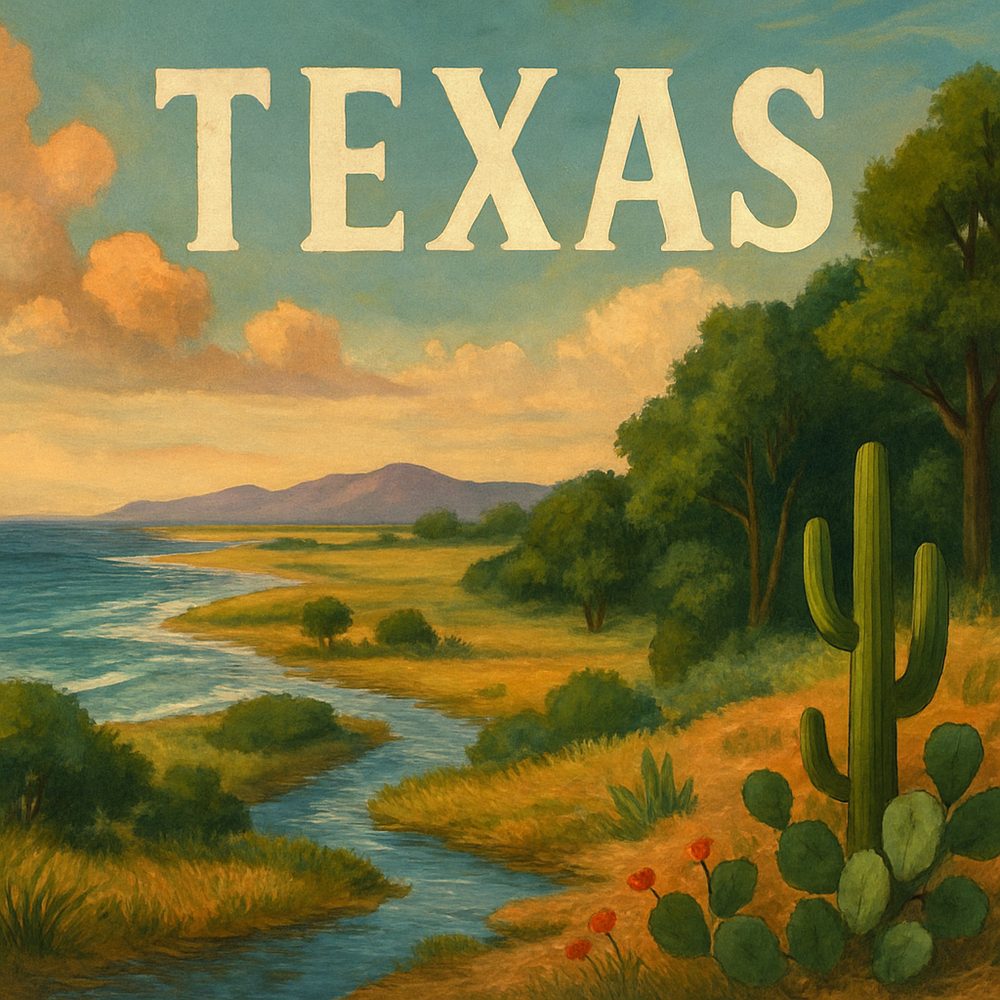
Bordering the Red River and stretching southward, North Texas offers a landscape that contrasts sharply with its southern counterpart. Just a short drive from Dallas, Cedar Ridge Preserve invites visitors to explore 600 acres of rugged hill country terrain. The preserve’s 9.5 miles of trails, such as the popular Hilltop Trail, meander through juniper and oak woodlands, providing sweeping views of the city skyline framed by natural beauty. Unlike the flat plains typical of much of Texas, Cedar Ridge’s elevation changes offer a taste of the famous Texas Hill Country terrain, creating a refreshing escape from urban life. Springtime is especially magical here, when wildflowers like bluebonnets and Indian paintbrush bloom profusely, painting the trails in vibrant colors.
Moving northwest, the historic town of Fort Worth sits just over 30 miles west of Dallas and embodies a distinct cultural flavor of North Texas. The Stockyards National Historic District captures the spirit of the Old West with its daily cattle drives, rodeos, and honky-tonk bars. Walking along Exchange Avenue, visitors can feel the pulse of cowboy heritage and witness the architecture of early 20th-century Texas with brick storefronts and wooden corrals. The Fort Worth Herd’s cattle drive at noon is a living tradition, unique among Texas cities, illustrating the region’s deep ties to ranching. Fall, with its milder weather and occasional rodeos, is the best season to soak up the authentic western atmosphere.
Traveling south to the Gulf Coast, Houston offers a stark contrast, especially in the Heights neighborhood. Located northwest of downtown Houston, the Heights has a charming historic district filled with Victorian-era homes and a vibrant arts scene. Strolling through this neighborhood, visitors encounter local galleries, quirky boutiques, and an array of eateries serving up Houston’s famously diverse culinary heritage. The area’s unique blend of old and new reflects South Texas’ cosmopolitan character, shaped by its ports and immigrant communities. Weekends in the cooler months are ideal for leisurely walks and patio dining beneath live oak trees draped in Spanish moss.
Further south, San Antonio’s River Walk is an iconic place where South Texas culture thrives. About an hour and a half southwest of Austin, this network of walkways along the San Antonio River offers lush landscaping, historic missions, and lively restaurants. The River Walk’s winding paths connect visitors to the Alamo, a symbol of Texas independence, anchoring the city’s rich colonial history in the heart of a modern urban setting. At night, the river’s reflections on the softly lit walkways create a romantic ambiance unmatched elsewhere in Texas. Visiting during spring or fall brings pleasant temperatures and festive events that enliven the scene.
Westward near the border, Big Bend National Park showcases South Texas’ wild and rugged desert landscape, unlike anything found in the north. Situated about a five-hour drive southwest of San Antonio along the Rio Grande, Big Bend covers over 800,000 acres of desert, mountains, and river canyons. The Santa Elena Canyon Trail offers an accessible route through towering limestone cliffs along the river, giving hikers a close encounter with dramatic geology and desert flora. Big Bend’s isolation and vast night skies provide some of the best stargazing in the country, especially in the cooler months when daylight hiking is more comfortable. This park epitomizes the vastness and solitude that define much of South Texas.
In contrast, the Dallas Arts District in North Texas offers an urban cultural experience unrivaled in the state. Just north of downtown Dallas, this largest contiguous urban arts district in the U.S. is home to the Dallas Museum of Art, the Nasher Sculpture Center, and the Winspear Opera House. Visitors can enjoy a day immersed in art, architecture, and performance amid sleek modern buildings and public plazas. The district’s blend of contemporary and classical arts reflects the metropolitan sophistication that has shaped North Texas’ identity. Spring and fall are perfect times to explore outdoor sculptures and attend open-air concerts when the weather is most agreeable.
South Texas’ McAllen, located near the Mexican border about 70 miles south of Harlingen, reveals a different side of Texan life. The Quinta Mazatlan, a historic Spanish colonial revival mansion nestled in a migratory bird habitat, is a haven for nature lovers and history buffs alike. Walking the trails through native thorn forest and wetlands, visitors can spot colorful birds and learn about the region’s ecological significance. This fusion of cultural heritage and natural conservation is emblematic of South Texas’ blend of environments and histories shaped by its proximity to Mexico. Early spring and late fall, during bird migration seasons, are particularly rewarding times to visit.
Finally, the town of Denton, located about 40 miles northwest of Dallas, embodies the youthful, music-driven spirit often associated with North Texas. The Denton Courthouse-on-the-Square Museum offers insight into the town’s history, but it is the live music venues lining the square that define its current cultural pulse. Known for nurturing indie rock and jazz scenes, Denton hosts annual music festivals drawing crowds from across the region. The vibrant street performances and local bands reflect a creative energy that contrasts with the more traditional cultures found in southern parts of the state. Mild spring evenings make for the best time to experience outdoor shows and the convivial atmosphere on the courthouse lawn.
Exploring Texas through these places reveals the vivid distinctions between the north and the south. North Texas leans into rolling hills, cowboy heritage, and urban sophistication, while South Texas embraces desert landscapes, multicultural influences, and borderland traditions. Each region offers a unique invitation to discover the Lone Star State beyond its stereotypes, with tangible places that tell the story of its diverse geography and people. Whether wandering a forest preserve near Dallas or kayaking through canyons on the Rio Grande, visitors can sense how the state’s vastness shapes its contrasting identities.