City vs. Country Life in Utah: Pros, Cons, and Best of Both Worlds
Salt Lake City, Utah’s bustling capital, offers a vivid example of urban life rich with cultural diversity and modern amenities. Nestled at the foot of the Wasatch Range, it’s about a 15-minute drive from the city center to the mouth of Big Cottonwood Canyon, making it an ideal base for city dwellers who crave quick access to nature. In the city itself, the Utah Museum of Fine Arts stands out as a cultural gem, offering rotating exhibits that span from ancient Asian artifacts to contemporary American paintings. This museum’s unique strength lies in its ability to blend global art within a regional context, reflecting the cosmopolitan spirit of Salt Lake City. Visiting during the spring or fall allows you to enjoy pleasant weather and nearby outdoor sculpture gardens, enhancing the city’s blend of urban sophistication and approachable green spaces.
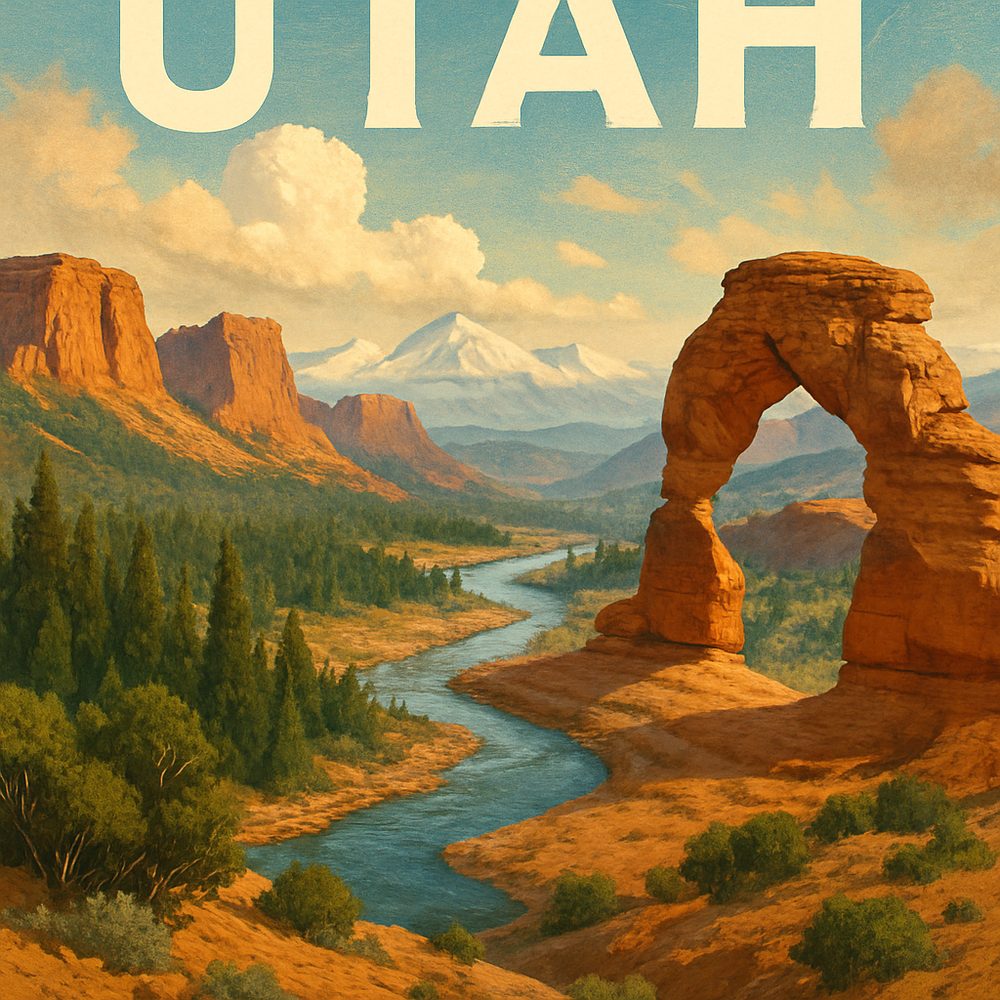
Just under an hour southeast of Salt Lake City lies the small town of Moab, a gateway to the vast, rugged landscapes of Arches National Park. Here, country life is defined by proximity to some of the most iconic natural rock formations in the world. The Delicate Arch Trail, a moderate 3-mile round trip, is a must-do hike offering stunning views of the signature arch standing alone against a broad desert sky. This contrasts sharply with city life, providing solitude and a tactile connection to the earth that’s hard to find in any metropolitan setting. The best time to explore Moab and Arches is spring or fall when temperatures are cooler, allowing for longer hikes and more comfortable camping under clear, star-filled nights.
About 30 minutes south of Provo, in the heart of Utah Valley, lies the charming town of Springville, known as “Art City.” Here, the Springville Museum of Art showcases the state’s largest collection of traditional and contemporary Utah artwork. This small-town venue offers a slower-paced, community-centered experience that highlights local talent and history. Visitors can stroll through galleries filled with Utah’s landscapes and pioneer scenes, connecting with the state’s cultural roots in a way that urban museums sometimes overlook. Visiting during a weekday in the off-season provides a quiet, personal engagement with the exhibits and the town’s friendly, artistic vibe.
For a taste of country living infused with a strong pioneer spirit, head to Heber City, located about 45 minutes east of Salt Lake City. Surrounded by the Uinta National Forest and the Wasatch Mountains, it’s an outdoor lover’s haven. The nearby Provo River Trail offers a leisurely 14-mile path perfect for biking or walking, tracing the river through lush meadows and past small farms. This trail epitomizes the rural charm of Utah, where visitors can experience agricultural landscapes and wildlife sightings just outside a small town. Fall is ideal here, as the foliage shifts colors, painting the valley with reds and golds while the crisp mountain air enhances the peaceful rural atmosphere.
In contrast, the bustling district of Sugar House in Salt Lake City embodies the city’s vibrant urban life with its eclectic mix of shops, eateries, and parks. About 10 minutes from downtown, this neighborhood balances historic charm with contemporary energy. Sugar House Park is a focal point, offering large green spaces and trails right in the city, where you can picnic, jog, or simply people-watch against the backdrop of the Wasatch skyline. This area excels in providing a city-based lifestyle that still values outdoor recreation and community events. Early summer evenings here are magical, as locals gather for outdoor concerts and farmers’ markets, reflecting the city’s inclusive and dynamic character.
Driving two hours southwest from Salt Lake City brings you to the remote town of Torrey, the gateway to Capitol Reef National Park. This area represents the essence of country life with its rugged, open landscapes and minimal development. The Capitol Gorge Trail, a relatively easy two-mile round trip, takes you through narrow canyons carved by ancient water flows, with petroglyphs and pioneer inscriptions lining the rock walls. Visitors here immerse themselves in the quiet grandeur of red rock canyons and vast desert skies, a stark contrast to the city’s noise and crowds. Late spring and early fall are the best seasons to visit, avoiding the summer heat and winter snows that can limit access.
Finally, the town of Park City, just 35 minutes east of Salt Lake City, offers an intriguing blend of city and country life. Known for its ski resorts and the Sundance Film Festival, Park City’s historic Main Street buzzes with galleries, cafes, and nightlife. Yet, just outside town, the expansive trails of the Deer Valley Resort and the Mid Mountain Trail provide wilderness experiences within minutes of urban comforts. Hiking or mountain biking here during the summer reveals wildflower-filled meadows and panoramic mountain vistas. Park City’s unique combination of upscale city amenities and immediate access to alpine backcountry makes it a compelling choice for those wanting the best of both worlds in Utah.
Together, these places showcase how Utah offers a spectrum of lifestyles—from the vibrant streets and cultural institutions of Salt Lake City and Sugar House to the serene, nature-immersed towns like Moab, Heber City, and Torrey. Whether you crave the buzz of urban art museums and diverse dining or the quiet trails and starry nights of the high desert, Utah invites visitors to explore and embrace the dynamic interplay between city sophistication and country ruggedness.