North vs. South Utah: What’s the Difference?
In northern Utah, a visit to Antelope Island State Park offers a remarkable introduction to the region’s distinctive landscape and wildlife. Located about 45 minutes north of Salt Lake City, this island in the Great Salt Lake is known for its sprawling sagebrush plains and abundant bison herds. The Buffalo Point Trail is a manageable 1.5-mile loop that treats hikers to panoramic views of the lake’s shimmering expanse and distant Wasatch Mountains. Antelope Island stands out for its surreal setting—where salty water meets desert terrain—and the chance to spot pronghorn antelope, mule deer, and myriad bird species. Late spring and early fall are ideal for exploring here, when temperatures are milder and the migrating birds add vibrant life to the skies.
Salt Lake City itself, the heart of northern Utah, showcases a blend of urban culture and Mormon heritage. The Utah State Capitol, perched on a hill overlooking downtown, invites visitors to stroll its manicured grounds and admire neoclassical architecture framed by mountain backdrops. Inside, the Capitol offers exhibits on Utah’s early settlement and statehood, providing context to the region’s cultural roots. Autumn is particularly striking as the surrounding trees blaze with color, drawing locals and tourists alike to the Capitol’s terraces for photo-worthy views. The city’s vibrant arts districts and diverse culinary scene contrast with the quieter, more nature-focused northern outskirts.
Shifting to southern Utah, Zion National Park lies about two hours southwest of the town of St. George and immerses visitors in dramatic canyon landscapes that are a world apart from the north’s sage and salt flats. The iconic Angels Landing Trail, while challenging and steep, rewards hikers with breathtaking views from its 5,790-foot summit. Zion’s red sandstone cliffs and narrow slot canyons create a playground for adventure seekers and photographers, showcasing a geological tapestry shaped over millions of years. Spring and fall are preferred seasons here, as summer’s heat can be intense, and the park’s water features—like the Virgin River—are more inviting when flowing robustly.
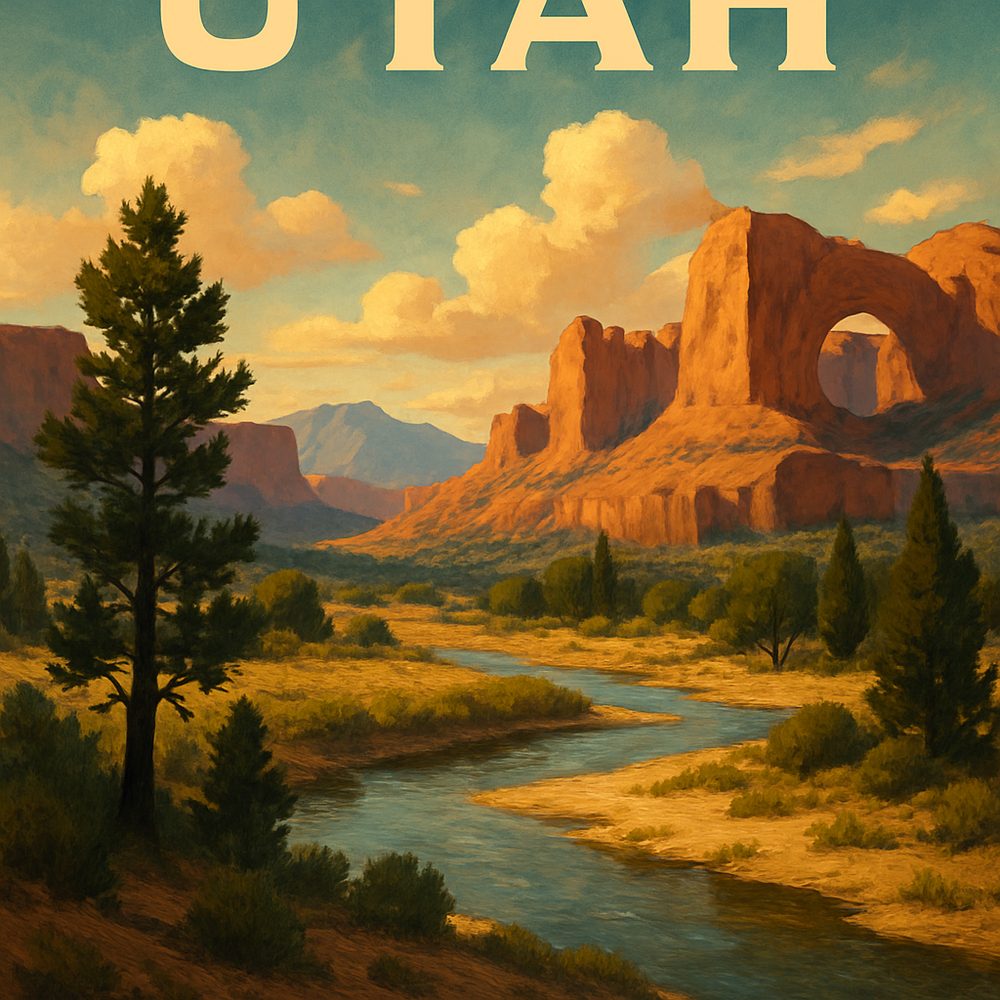
Farther south, the town of Moab serves as a gateway to the rugged desert wilderness of Arches National Park, located just a few minutes north of town. The Delicate Arch Trail, about three miles round-trip, leads to the park’s most famous natural sandstone arch, a symbol of Utah’s wild beauty. Moab buzzes with an outdoor-loving vibe, and the park’s unique formations—over 2,000 cataloged arches—offer endless exploration opportunities. Visiting in late spring or early fall avoids the peak summer heat, allowing for comfortable hikes and spectacular sunrise or sunset shots when the arches glow with warm light.
Near Moab, the Colorado River carves through the landscape at Dead Horse Point State Park, roughly a 45-minute drive from the city center. The park’s overlook delivers one of Utah’s most iconic vistas: a sweeping view of the river winding through deep canyons over 2,000 feet below. Cyclists and hikers enjoy the Intrepid Trail System here, with varied routes that range from gentle to challenging, all framed by rust-colored cliffs. The park’s arid environment contrasts sharply with northern Utah’s greener forests, and the expansive desert skies make night-time stargazing unforgettable. Sunset hours heighten the dramatic contrast of light and shadow across the canyon walls.
In the northern Wasatch Mountains near Park City, the historic mining town about 35 minutes east of Salt Lake City, outdoor recreation blends with a charming cultural scene. The Mid-Mountain Trail, a favorite for mountain bikers and hikers, offers a scenic route through alpine forests and meadows. Park City’s preserved Main Street features vibrant galleries, boutiques, and restaurants housed in preserved 19th-century buildings, reflecting the area’s mining past. Winter transforms this region into a premier ski destination, while summer and fall reveal wildflower blooms and crisp mountain air, offering visitors a diverse range of activities year-round.
Further south, Bryce Canyon National Park, about two hours northeast of St. George, invites travelers to marvel at its whimsical hoodoos—tall, thin spires of rock formed by frost-wedging and erosion. The park’s Rim Trail stretches roughly five miles along the edge of the amphitheater, providing sweeping views of these natural stone sentinels bathed in changing daylight. Bryce’s higher elevation means cooler temperatures year-round, and the clear air creates exceptional conditions for stargazing at night. The park’s otherworldly formations and quiet solitude make it a must-see for anyone seeking a uniquely southern Utah experience.
Both northern and southern Utah offer exceptional experiences, but the contrast between the two regions is palpable. Northern Utah’s green mountain foothills and expansive salt flats near Salt Lake City provide a backdrop for cultural exploration and wildlife viewing. In contrast, the southern half’s red rock canyons and desert vistas around Moab and Zion tempt adventurers with dramatic hikes and otherworldly geology. Travelers drawn to urban amenities alongside nature will find the north appealing, while those craving rugged, iconic landscapes will be enchanted by the south. Each half reveals a different facet of Utah’s remarkable natural and cultural heritage, making the state a destination full of diverse stories and landscapes to explore.