City vs. Country Life in Virginia: Pros, Cons, and Best of Both Worlds
Nestled just across the James River from Richmond, the historic district of Shockoe Bottom offers a vivid taste of city life in Virginia with its cobblestone streets and richly layered past. Walking here, you can explore the Edgar Allan Poe Museum, which preserves artifacts and manuscripts from the famed poet and writer, providing a deep dive into Richmond’s literary roots. The neighborhood pulses with energy from its arts venues, eclectic eateries, and the nearby Canal Walk, where you can stroll beside the James River, soaking in urban waterfront views framed by historic warehouses. This area exemplifies the vibrant, compact charm of urban Virginia, where history and modern culture intertwine seamlessly. Spring and fall bring pleasant weather to linger outdoors, while evening lights reveal a buzzing nightlife scene that contrasts sharply with the quiet countryside.
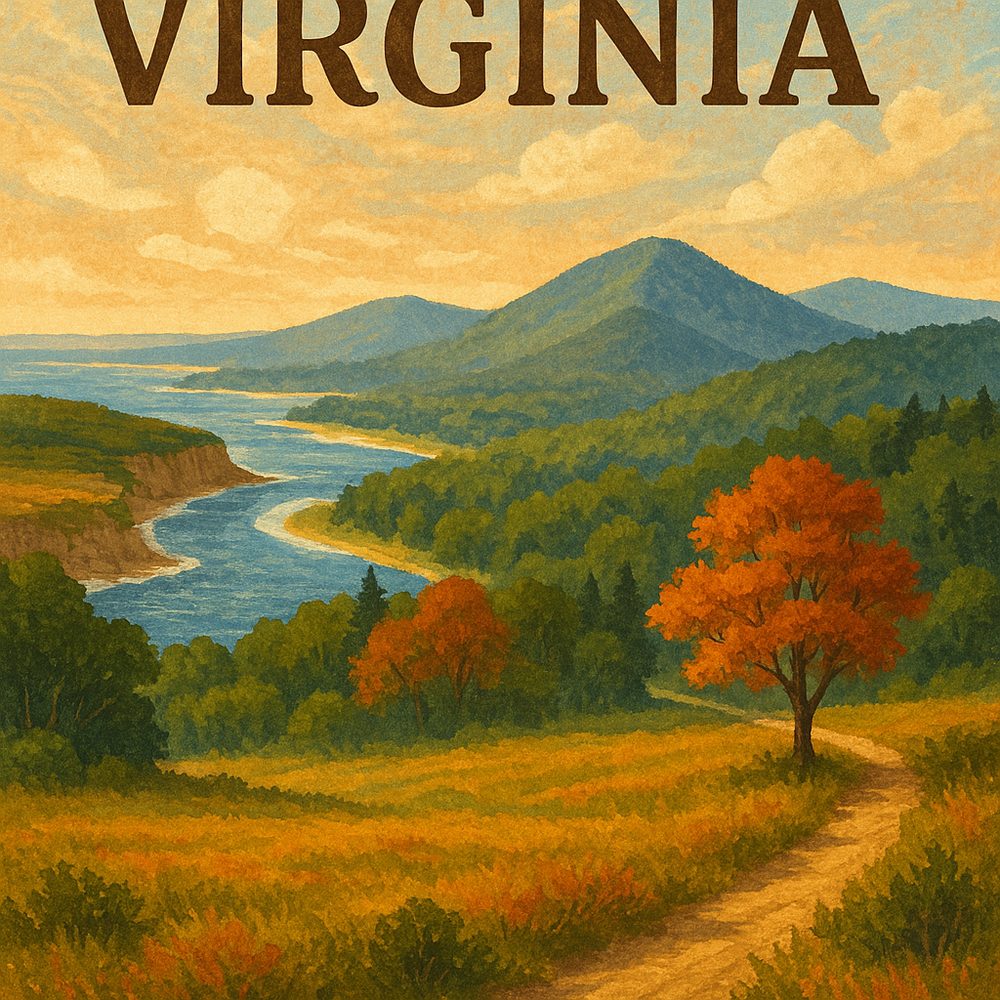
Far from the bustle of Richmond lies Shenandoah National Park, about a two-hour drive west of the city, offering a quintessential rural Virginian experience. The park’s Skyline Drive stretches 105 miles along the Blue Ridge Mountains, with overlooks like Hawksbill Summit providing panoramic views that stretch for miles across the rolling Appalachian landscape. Hiking the Hawksbill Summit Trail is a rewarding but moderately challenging trek, ascending to the highest peak in the park at 4,050 feet. This place stands apart for its sweeping vistas, tranquil forests, and abundant wildlife, from black bears to songbirds. Visitors find autumn especially magical here, as the mountains burst into vibrant hues of red and gold, making it a premier spot for leaf peeping away from urban crowds.
In the heart of Northern Virginia, Arlington’s Rosslyn neighborhood offers another perspective on city living with its sleek skyline and proximity to Washington, D.C., just across the Potomac River. The Rosslyn Observation Deck provides a rare urban vantage point where you can see not only the monuments of the nation’s capital but also the convergence of urban architectural styles and green spaces. It’s a place to appreciate the fast-paced, cosmopolitan vibe of Virginia’s urban corridor, where coffee shops and rooftop bars thrive alongside office towers. Because Rosslyn is a hub for commuters, weekday mornings and evenings buzz with activity, while weekends shift to a more relaxed pace, ideal for casual exploration or riverside biking on nearby trails.
Venturing southeast of Richmond takes you to the quaint town of Williamsburg, where the colonial past is vividly alive in Historic Jamestowne, just a 30-minute drive east. This archaeological site showcases the beginnings of English America, with ongoing digs and preserved fortifications that transport visitors back to the early 1600s. Walking the grounds, you encounter the tangible layers of early settlement life—wooden palisades, reconstructed buildings, and artifacts that tell stories of survival and interaction with Native Americans. This rural historical area contrasts with urban life by offering a slower, reflective pace and a sense of deep time. Spring through fall, when the weather is mild and living history demonstrations are in full swing, is the best time to visit, bringing the past vividly to life.
In southwestern Virginia, the small town of Abingdon, about 30 miles northeast of Bristol, embodies the peacefulness of country living with a strong cultural heartbeat. The Barter Theatre, housed in a grand historic building, blends rural charm with a rich theatrical tradition, having launched many famous actors’ careers since 1933. The surrounding Appalachian foothills offer hiking and biking trails, like those in nearby Virginia Creeper Trail State Park, known for its gentle rail-trail path through forests and farmland. Abingdon’s slower rhythms, combined with seasonal festivals and local craft shops, create a deeply rooted community feel that appeals to visitors seeking authenticity and quiet reprieve. Fall is particularly inviting here, when the crisp mountain air and colorful foliage enhance outdoor activities and theater nights.
For a unique blend of city and country, the town of Charlottesville sits about 70 miles northwest of Richmond, at the foot of the Blue Ridge Mountains. The Downtown Mall is a lively pedestrian district boasting shops, cafes, and live music venues, while just outside town lies Monticello, Thomas Jefferson’s meticulously preserved plantation home. Visitors can tour the neoclassical architecture and terraced gardens of this UNESCO World Heritage Site, gaining insight into Virginia’s plantation history amid the rolling rural landscape. Charlottesville’s proximity to wine country, with vineyards dotting the surrounding hills, adds another layer of charm. Springtime, when the gardens bloom and outdoor concerts commence, offers a perfect mix of cultural and natural pleasures.
Lastly, the Eastern Shore of Virginia, about two hours southeast of Norfolk, reveals a quieter rural coastline along the Chesapeake Bay. Chincoteague National Wildlife Refuge, a short drive from the barrier town of Chincoteague Island, is famous for its wild ponies and vast salt marshes. Visitors can hike or bike the refuge’s flat trails, watch migratory birds, and kayak the surrounding waters. This area stands out for its pristine natural environment and slower pace, where the rhythms of fishing and farming still define life. Early morning or late afternoon visits bring the best light and wildlife activity, especially in spring and fall during bird migration seasons. It’s an authentic slice of rural Virginia life shaped by the sea and sky, far from urban hustle.
Across Virginia, the contrasts between city and country life are palpable and inviting. Whether wandering the historic streets of Richmond, hiking in the Shenandoah wilderness, experiencing the theatrical culture of Abingdon, or exploring the coastal serenity of the Eastern Shore, each place offers a distinct way to connect with the state’s diverse character. These tangible settings make it easy to appreciate the pros and cons of both lifestyles while discovering the warmth and richness that define Virginia.