North vs. South Virginia: What’s the Difference?
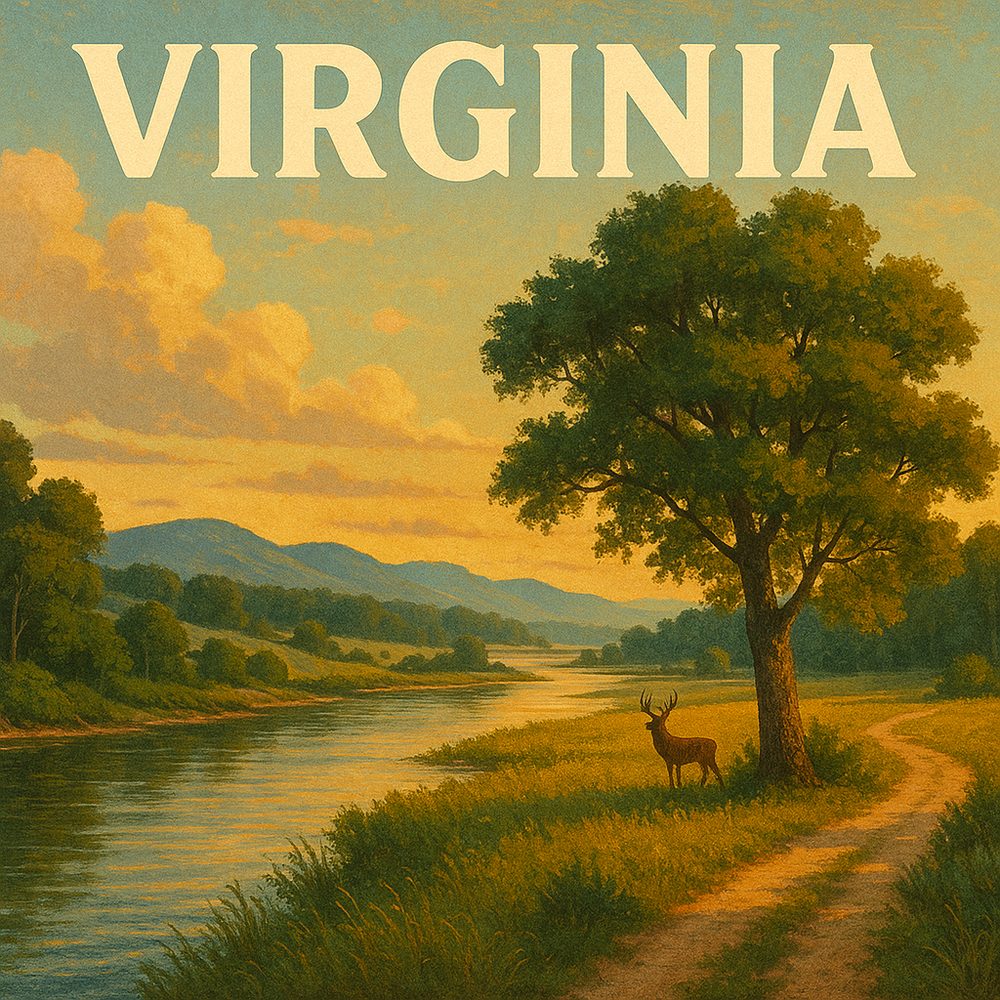
Driving into Shenandoah National Park, just about 75 miles west of Washington, D.C., feels like stepping into a different Virginia altogether. This stretch of the Blue Ridge Mountains is often associated with Northern Virginia’s outdoor appeal, offering an accessible escape from the metro bustle. Skyline Drive, the park’s scenic route, showcases sweeping vistas that stretch westward across the Piedmont and beyond. Hiking the Stony Man Trail, an easy 1.6-mile loop with an elevation just shy of 4,000 feet, rewards visitors with panoramic views of the Shenandoah Valley and the surrounding peaks. This area’s proximity to urban centers contrasts sharply with the more rural, slower-paced parts of Virginia, highlighting how Northern Virginia blends natural beauty with accessibility. Fall is particularly magical here, when the foliage ignites in fiery reds and golds, drawing leaf peepers from miles around.
Just outside Richmond, in the heart of what many consider Southern Virginia, lies the historic district of Petersburg. About 25 miles south of the state capital, this town offers a deep dive into Civil War history distinct from Northern Virginia’s battlefield parks. The Petersburg National Battlefield preserves parts of one of the longest sieges in American history, stretching nearly ten months. Visitors can walk along the Five Forks Trail or explore the Crater Museum, which tells the story of the infamous Battle of the Crater—an ill-fated Union attempt to break Confederate lines with underground explosives. Petersburg’s slower pace and rich military history offer a more contemplative Southern Virginia experience, especially under the gentle warmth of spring, when the gardens around the historic homes burst into bloom.
Heading further south, about 90 minutes west of Richmond, the small town of Lynchburg provides a window into the region’s blend of history and natural splendor. The James River Heritage Trail runs through this city, offering a multi-use path alongside the river’s scenic banks. Cycling or walking sections of this trail reveals a mix of industrial remnants and peaceful river views, illustrating the South’s evolving relationship with its waterways. Lynchburg’s location at the edge of the Blue Ridge foothills means you can explore nearby hiking spots like the Blackwater Creek Trail, a moderate loop perfect for spotting local wildlife. The town’s blend of historic architecture and outdoor options captures the essence of Southern Virginia’s laid-back charm, especially inviting in late spring when the weather is mild and flowers dot the riverbanks.
Northern Virginia’s urban and cultural heart pulses brightly in Alexandria, just across the Potomac River from Washington, D.C. This historic waterfront city, roughly 10 miles south of downtown D.C., offers cobblestone streets and colonial-era architecture alongside vibrant markets and art galleries. Walking through Old Town Alexandria, visitors can explore the Torpedo Factory Art Center, a unique complex housed in a former munitions plant. Here, artists’ studios open directly to the public, blending history with contemporary creativity. The city’s connection to the nation’s capital gives it a historically rich yet cosmopolitan feel, making it an ideal day trip from D.C. Summer evenings bring a lively waterfront scene where locals and tourists alike gather to enjoy the breeze and watch boats glide along the Potomac.
Venturing into Southside Virginia, Danville stands out as a blend of textile legacy and revitalized riverfront. Located about 70 miles south of Lynchburg, Danville’s River District has undergone a renaissance, turning former mills into museums and galleries. The Danville Museum of Fine Arts and History offers exhibits on the city’s industrial past and cultural heritage, including detailed looks at local African American history and the textile industry’s rise and fall. Walking along the Dan Riverwalk captures the slow, southern rhythm of life here, with charming bridges and parks interspersed. The district’s combination of blue-collar grit and artistic renewal is particularly atmospheric in autumn when crisp air and colorful leaves invite a reflective stroll.
On the northern edge of Virginia, Fairfax County’s Reston Town Center serves as a modern counterpoint to the state’s historic roots. Just 20 miles west of Washington, D.C., Reston offers sprawling pedestrian plazas, public art installations, and lively events throughout the year. Unlike the colonial charm of Alexandria, Reston embodies contemporary suburban life with urban amenities. Outdoor enthusiasts appreciate nearby Lake Fairfax Park, where hiking trails and water activities provide a refreshing natural break amid development. Visiting in late spring or early fall when the weather is temperate allows for enjoying the green spaces without the summer crowds, highlighting Northern Virginia’s blend of modernity and nature.
Deep in Southern Virginia, the small town of Abingdon near the West Virginia border showcases Appalachian culture in a way that contrasts with the Northern Tidewater and suburban sprawl. About 4 hours southwest of Richmond, Abingdon is home to the Barter Theatre, the state theater of Virginia, which has been staging plays since the 1930s. The town’s quaint downtown is dotted with galleries and shops reflecting Appalachian crafts and music. The nearby Virginia Creeper Trail offers a scenic 35-mile path popular with cyclists and hikers, winding through mountain vistas and quiet farming communities. This part of Virginia’s slower pace and mountain culture present a sharp contrast to the Northern Virginia suburbs, especially striking during the fall when the mountains are ablaze with color.
Lastly, Staunton, nestled in the Shenandoah Valley about 2 hours west of Richmond, offers a unique blend of history and music that defines much of Virginia’s cultural divide. The American Shakespeare Center’s Blackfriars Playhouse brings Elizabethan drama to life in a recreated indoor theater, linking Northern Virginia’s historical ties to colonial America with the South’s ongoing love of the arts. Staunton’s downtown is filled with restored 19th-century buildings, craft shops, and locally sourced restaurants that highlight the valley’s agricultural bounty. Surrounded by rolling hills and vineyards, the town shines most brightly in early fall when the harvest season brings farmers’ markets and festivals celebrating both heritage and creativity. In Staunton, visitors can feel the layering of Virginia’s past and present, bridging the North-South differences in a single vibrant place.