North vs. South Washington: What’s the Difference?
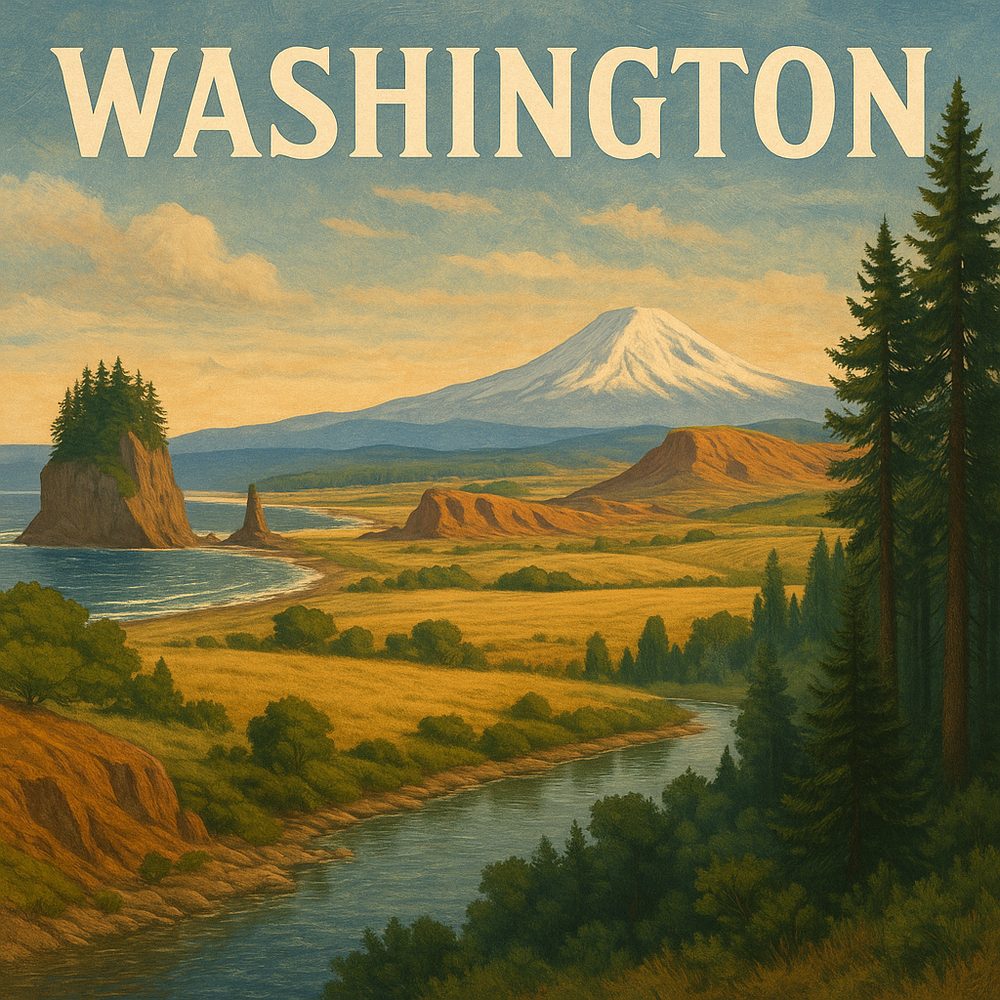
Travelers often discover that Washington state is a study in contrasts, especially when comparing its northern and southern regions. Start your journey in the north at North Cascades National Park, about two hours northeast of Seattle. Here, the steep, jagged peaks plunge dramatically into deep glacial valleys, creating some of the most rugged alpine scenery in the country. The Cascade Pass Trail is a favorite: a moderately challenging 7.4-mile round-trip hike that rewards adventurers with panoramic views of snow-capped summits, wildflower meadows, and rushing alpine streams. This park’s raw wilderness and vast network of glaciers set it apart from many other parks in the state. Spring and early summer bring wildflower blooms and accessible trails; by late summer, the trails become drier and more navigable, making this the ideal hiking season.
In stark contrast, southern Washington’s Mount St. Helens National Volcanic Monument, roughly an hour and a half south of Portland, Oregon, offers a striking landscape shaped by a single cataclysmic event in 1980. The Johnston Ridge Observatory provides an up-close view of the volcano’s crater and the blast zone below. Trails like the Eruption Trail, a short but steep 1.5-mile hike, immerse visitors in a rebounding ecosystem and stunning vistas of the altered landscape. The monument’s unique geology and ongoing natural recovery make it a profound spot to witness nature’s power and resilience. Late spring to early fall is best for clear crater views and comfortable hiking weather, as winter snows and fog can obscure the scene.
Heading back north to the Seattle metropolitan area, the Museum of Pop Culture—known as MoPOP—nestles in the heart of downtown Seattle, just a 10-minute walk from the iconic Space Needle. MoPOP’s interactive galleries celebrate the Pacific Northwest’s deep roots in music, science fiction, and pop culture. The Sound Lab lets visitors try instruments, while exhibits delve into the influential grunge movement that originated in nearby cities like Seattle and Aberdeen. The museum’s cutting-edge architecture and vibrant collections make it a magnet for creative spirits. It’s lively year-round, but rainy days are perfect for exploring indoors.
Switching to the southern region again, Olympia’s Hands On Children’s Museum offers a different kind of immersion, located about an hour southwest of Seattle. This museum invites families to engage with interactive exhibits focused on science, art, and local culture. The building itself is notable for its sustainable design, reflecting southern Washington’s commitment to environmental stewardship. Exhibits often highlight the South Sound’s ecosystems, encouraging kids to learn through play. Visiting on a weekday or during off-peak hours provides a more intimate experience free from crowds.
Farther north, the historic town of Leavenworth sits about two hours east of Seattle, tucked against the eastern Cascades. This Bavarian-themed village stands out for its lively festivals, alpine architecture, and access to outdoor recreation. The Icicle Gorge Trail offers an easy, scenic 4-mile loop that winds through forests and by the Icicle Creek, providing a peaceful contrast to the town’s bustling streets. Leavenworth’s unique blend of European charm and rugged mountain setting makes it a beloved destination year-round, though the fall foliage and winter holiday lighting truly transform the town into a storybook scene.
Southwest of Seattle, the Columbia River Gorge offers a dramatic divide between Washington and Oregon. On the Washington side near the town of Stevenson, about 45 minutes east of Portland, the Beacon Rock State Park invites visitors to climb Beacon Rock itself—a 848-foot volcanic monolith that dominates the landscape. The 1.8-mile round-trip trail to the summit features handrails and switchbacks that reward hikers with sweeping views of the river gorge below. This park highlights the distinct geology and lush greenery of southern Washington’s river valleys, contrasting with the steep peaks of the north Cascades. Spring and early summer bring wildflower blooms, while fall offers crisp air and vivid foliage colors.
In the northern Puget Sound region, the town of La Conner beckons visitors about 30 minutes northwest of Seattle. Known for its charming waterfront and rich Native American history, La Conner is home to the Museum of Northwest Art, which showcases contemporary and traditional works from regional artists. Walking the museum’s galleries provides insight into the cultural evolution of the northwestern coast. The nearby Swinomish Channel offers boat tours where you can spot eagles and seals, enhancing the connection to the natural environment. Late spring and summer are ideal for enjoying the fresh air and outdoor art installations.
Finally, journey to the southern wine country near Walla Walla, around four hours southeast of Seattle. This region’s warm, dry climate contrasts sharply with the wetter north. At the L’Ecole No 41 winery, housed in a historic 1912 schoolhouse, visitors can taste some of Washington’s most acclaimed vintages while soaking in the rustic charm of the building’s architecture and surrounding vineyards. Walla Walla’s unique terroir produces bold reds and delicate whites, setting it apart from the rainier, cooler northern wine areas. Harvest season in late summer and early fall offers visitors a chance to see grapes ripening and engage with winemakers during the vibrant crush.
Exploring Washington through these distinctive locations reveals how geography, culture, and history diverge between north and south. Whether surrounded by glacial peaks or volcanic plains, alpine villages or river canyons, visitors find a layered and compelling state that invites deeper discovery at every turn.