North vs. South Wisconsin: What’s the Difference?
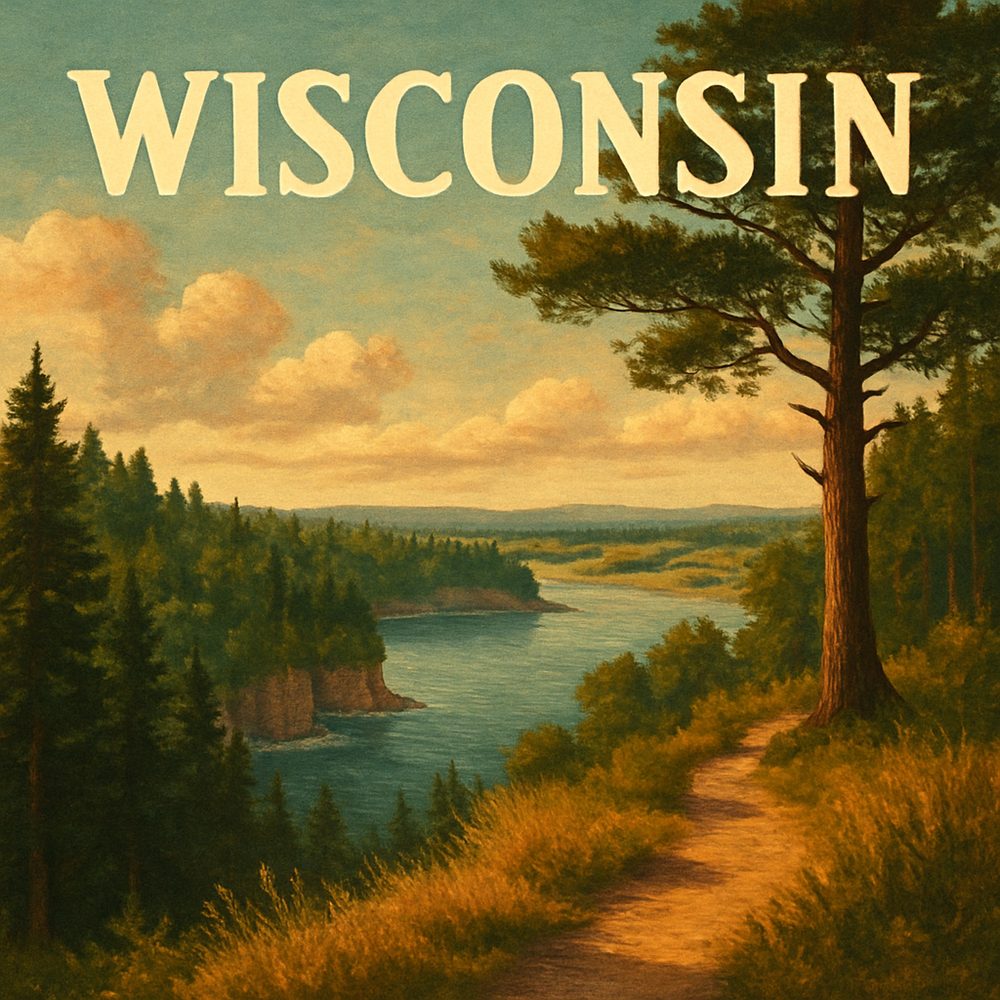
Venturing north to the Apostle Islands National Lakeshore, just off the coast of Bayfield, about three hours north of Minneapolis and roughly four and a half hours from Milwaukee, offers a glimpse of Wisconsin that feels almost untouched. Here, the vast expanse of Lake Superior meets dramatic sandstone sea caves, accessible by kayak during the summer or on frozen trails in the winter when the ice forms natural tunnels along the shore. Hiking the Meyers Beach Sea Caves trail, a moderate two-mile round trip, rewards visitors with close-up views of these unique geological formations sculpted by ancient glaciers and relentless waves. This northern stretch of Wisconsin is marked by its rugged wilderness and the quiet majesty of the lake, drawing outdoor enthusiasts and solitude seekers especially during the late spring through early fall, when the weather is mild and the water calms.
Contrast that with the southern part of the state, where Madison, the state capital, buzzes with vibrant energy around the Capitol Square. The Wisconsin State Capitol building itself, an architectural marvel with its soaring dome and intricate murals, sits at the heart of this city about 80 miles west of Milwaukee. Strolling through the Capitol grounds or exploring the nearby Monona Terrace—a convention center designed by Frank Lloyd Wright—immerses visitors in a blend of historical grandeur and modern Midwestern design. The surrounding State Street pedestrian mall livens up the scene with local shops, cafes, and music venues. Southern Wisconsin’s urban charm and cultural richness are best experienced in late spring to early fall when outdoor festivals and farmers markets flourish.
Traveling south towards Milwaukee, the Milwaukee Art Museum stands as a beacon of culture on the lakefront, roughly 90 miles southeast of Madison. Its iconic Quadracci Pavilion, with wings that open and close like a bird, houses an extensive collection of American and European art. The museum’s location along Lake Michigan creates a stunning synergy of water, architecture, and art, unique in the region. Visitors can spend hours marveling at rotating exhibits, then step outside to the scenic lakefront trail, perfect for an evening stroll when the sun dips below the horizon, casting golden light over the city.
Up north again, Devil’s Lake State Park near Baraboo, just over an hour northwest of Madison, offers a different flavor of Wisconsin’s natural beauty. Known for its striking quartzite bluffs that rise 500 feet above the glacially formed lake, this park is a favorite for hiking, rock climbing, and picnicking. The East Bluff and West Bluff trails provide panoramic views of the shimmering lake below and the rolling countryside beyond. Early fall is particularly spectacular here, when the surrounding forests ignite in a blaze of color, making the moderate 2.5-mile loop a must-do for leaf peepers and photographers alike.
Further north, the town of Eagle River, about 90 miles north of Wausau, unfolds a quintessential Northwoods experience. The Eagle River Chain of Lakes, a collection of 28 interconnected lakes, beckons anglers and boaters in the warm months. The surrounding forests and wildlife-rich wetlands also make it a premier destination for snowmobiling and cross-country skiing during Wisconsin’s long winter. Local eateries in Eagle River offer hearty fare, often featuring local fish or game, making this town a cozy base for exploring the wilderness beyond.
In the south, the town of New Glarus, near Madison and just under an hour’s drive, showcases Wisconsin’s rich Swiss heritage. The New Glarus Brewing Company has become renowned nationally for its craft beers, especially Spotted Cow, brewed with local ingredients. Wander the charming village streets dotted with Swiss-style chalets, bakeries, and cheese shops. The Swiss Center of North America offers interactive exhibits about the immigrant experience and Swiss culture. Visiting in late spring or early fall coincides with festivals celebrating traditional music, dancing, and food, providing a lively cultural immersion.
Near Lake Geneva, about an hour southeast of Milwaukee, the Geneva Lake Shore Path presents another southern highlight. This 21-mile trail encircles the lake, passing through estates, wooded areas, and small beaches. It offers a leisurely way to explore the historic mansions and lush landscapes that made this area a getaway for Chicago’s elite in the early 20th century. Walking parts of this path in the early morning or late afternoon, when the light softens and the crowds thin, creates an intimate connection to the lake’s serene beauty and storied past.
Returning to the north, the Northern Highland-American Legion State Forest, just east of Rhinelander and about 180 miles north of Madison, crowns the northern landscape with its vast wilderness. Spanning over 225,000 acres, this forest is dotted with clear lakes, hiking trails, and camping spots. The Heart Lake Campground offers a gateway to quiet canoeing and hiking on the Bearskin Trail, an 11-mile loop considered moderately challenging. Spring and summer bring wildflowers and bird migration, while fall cloaks the forest in fiery hues. This area typifies northern Wisconsin’s emphasis on outdoor recreation and tranquil natural settings.
Together, these places reveal a state of contrasts. Northern Wisconsin captivates with its broad, wild landscapes—deep lakes, dense forests, and a slower pace steeped in outdoor adventure and native heritage. Southern Wisconsin buzzes with vibrant cities, cultural landmarks, and a patchwork of European-American traditions that thrive in towns and urban centers. Both halves invite travelers to explore their distinct flavors, whether through serene kayak trips on Lake Superior or lively strolls through a Capitol Square festival. The interplay of water, wilderness, architecture, and culture defines Wisconsin’s unique character across its varied regions.